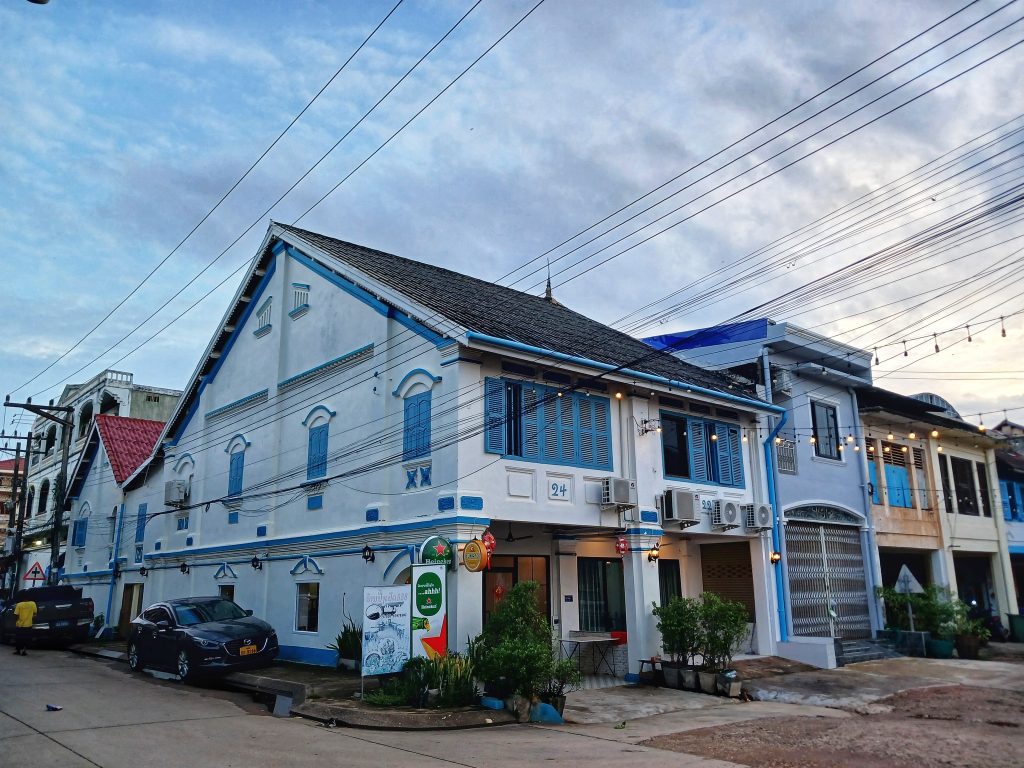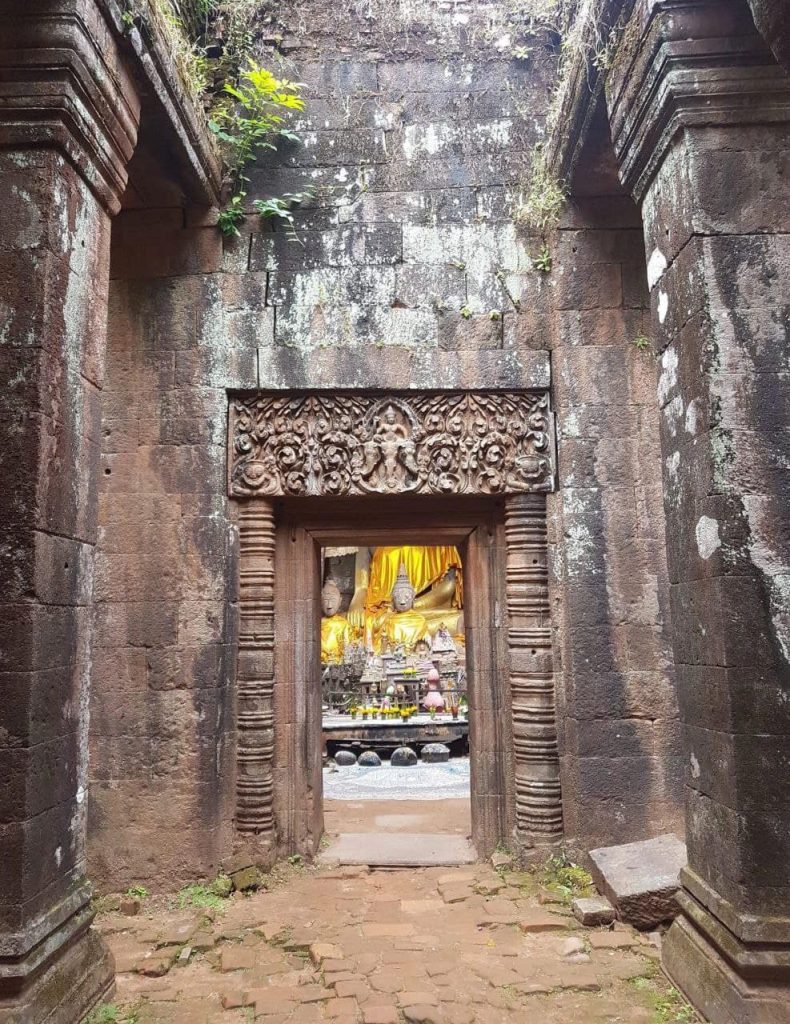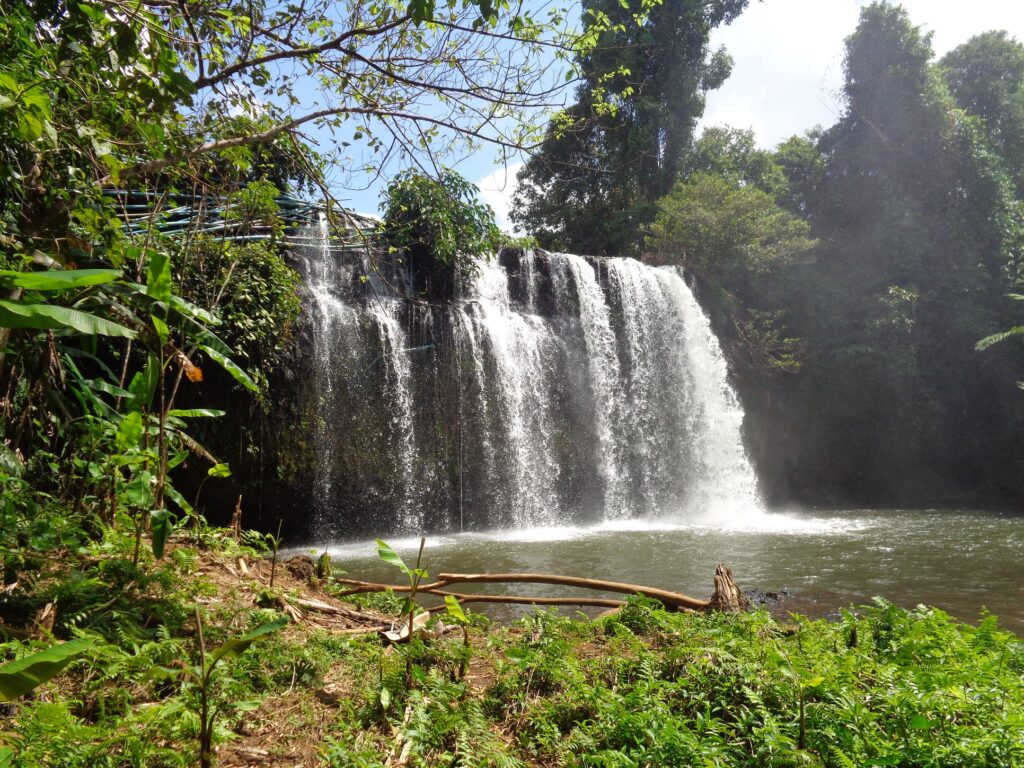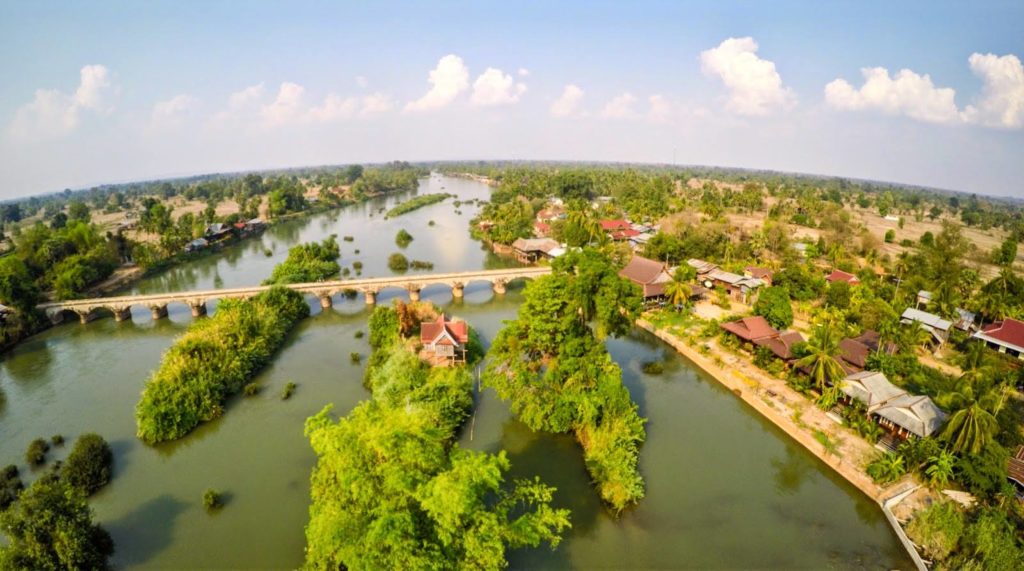
Plan your trip to Quang Tri, Vietnam. A full guide to history, culture, beaches, cuisine, and travel tips for an unforgettable Central Vietnam journey.

Quang Tri is a coastal province in Central Vietnam, often regarded as a land of both natural beauty and profound historical importance. Its territory encompasses Đông Hà City (the provincial capital), Quang Tri Town, and seven rural districts: Cam Lộ, Đakrông, Gio Linh, Hải Lăng, Hướng Hóa, Triệu Phong, and Vĩnh Linh, in addition to the offshore Cồn Cỏ Island. This location gives Quang Tri a unique role as a crossroads: it borders Quảng Bình Province to the north, Thừa Thiên Huế to the south, the Lao provinces of Savannakhet and Salavan to the west, and the East Sea to the east.

The province lies on the important north–south axis of Vietnam and is historically remembered as the “land of the 17th parallel,” where the country was divided for two decades during wartime. Today, Quang Tri is becoming better known as both a memorial land that honors the nation’s sacrifices and a destination of unspoiled natural landscapes waiting to be discovered.

Geography and Topography

Quang Tri’s terrain is strikingly diverse, consisting of rugged mountains, midlands of gentle hills, fertile plains, coastal dunes, and extensive beaches stretching northwest to southeast. The contrast between upland and coastal areas creates distinct ecosystems and scenic beauty. The western mountains are part of the Trường Sơn Range, covered in tropical forests and dotted with ethnic minority villages. Descending eastward, the land gradually flattens into broad river valleys before reaching coastal sand dunes and long sandy beaches.

The province is also blessed with a network of rivers, many of which played key roles in history. Seven major river systems cross Quang Tri: the Thạch Hãn, Bến Hải, Hiếu, Ô Lâu, Bến Đá, Xe Pôn, and Sê Păng Hiêng. Among them, the Bến Hải River is perhaps the most historically symbolic, once serving as the provisional demarcation line between North and South Vietnam. These rivers not only nurture agriculture but also create scenic and cultural landmarks throughout the province.

Climate and Weather Conditions

Located in the transitional zone between a humid tropical monsoon climate and a subtropical monsoon climate, Quang Tri experiences weather that is often described as harsh and unpredictable. The annual average temperature hovers around 25°C. However, seasonal variations are dramatic: in July, temperatures can soar above 40°C, especially in the western lowlands influenced by hot dry winds; meanwhile, in the mountainous districts in January, the mercury can drop to 3–5°C, creating near-freezing conditions rare in central Vietnam.

The province’s average annual humidity ranges from 80–85%, contributing to its sultry feel. One of the most distinctive climatic phenomena here is the “gió Lào” (Laotian wind), a hot, dry foehn wind blowing from May to August. During these months, Quang Tri endures around 40–60 days of extreme dryness and heat, which can be challenging for agriculture and outdoor travel.

On the other hand, from October to February, the northeast monsoon dominates, bringing heavy rains and storms. Floods, flash floods, landslides, and even tornadoes sometimes occur during this season. Travelers should be prepared for sudden weather changes, and it is strongly advised to check the forecast before setting out.

Getting to Quang Tri

By Air
Currently, Quang Tri does not have its own airport. The nearest gateways are Phu Bai Airport of Hue and Đồng Hới Airport in Quảng Bình Province.

  • Phu Bai International Airport (Hue): Located about 90 km from Đông Hà City along National Highway 1A, or 105 km via the CT01 Expressway. The journey takes roughly 1 hour 45 minutes. This airport has a higher frequency of flights, especially from Hanoi and Ho Chi Minh City, making it the more convenient choice for most travelers.
  • Đồng Hới Airport (Quảng Bình): Situated 105 km north of Đông Hà along National Highway 1A, with a travel time of about 2 hours. Although smaller, it can be a practical choice depending on flight availability.

By Road
Quang Tri lies directly on National Highway 1A, Vietnam’s main north–south artery, making it easily accessible by car or long-distance bus. The Hồ Chí Minh Road and CT01 Expressway also pass through the province, offering alternative scenic routes.

Travelers can opt for private vehicles or book sleeper buses operated by companies such as Camel Travel, Quốc Vương, Thiên Trung, Quang Dũng, and Hoàng Long. Ticket prices for sleeper buses range from 400,000 to 800,000 VND per person per trip, depending on the departure city and service quality.

By Train
Vietnam’s Reunification Express line stops at Đông Hà Station. Express trains like SE1–SE2 and SE3–SE4 are among the most popular choices. Ticket prices vary between 400,000 and 1.3 million VND, depending on departure city, train type, and seat or berth class. For those seeking comfort and a leisurely journey with scenic views of Vietnam’s coastline and countryside, the train is a memorable way to arrive in Quang Tri.

Quang Tri Historical and Cultural Attractions

Quang Tri is often described as an open-air museum of Vietnam’s modern history. Few provinces in the country carry such a heavy legacy of war, resilience, and reunification. Visitors here will find not only a series of poignant historical landmarks but also vibrant communities that keep cultural traditions alive. Exploring these places offers both a solemn reflection on Vietnam’s past and a deeper appreciation for the province’s enduring spirit.

Hien Luong Bridge and Ben Hai River
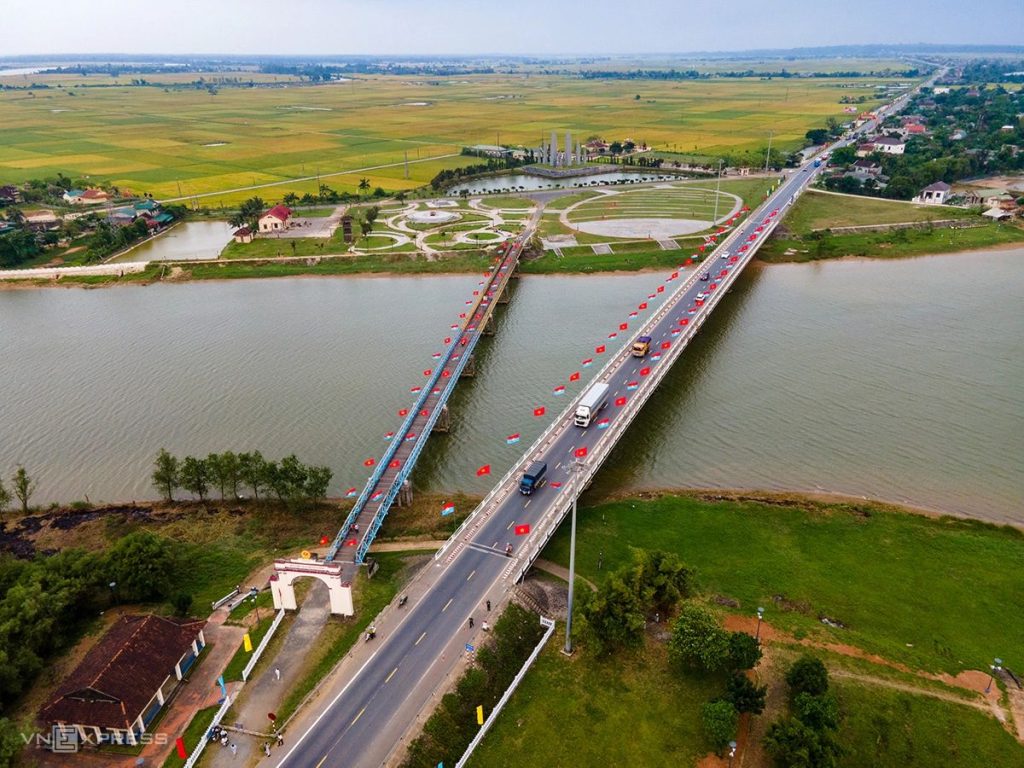
Quang Tri Travel Guide - Hien Luong Old and New Bridges
Quang Tri Travel Guide – Hien Luong Old and New Bridges

Perhaps the most iconic symbol of Quang Tri’s history is the Hien Luong Bridge, which spans the Ben Hai River. For twenty years, this modest bridge marked the division of Vietnam along the 17th parallel, following the Geneva Accords of 1954.

Constructed by the French in 1952, the bridge is 178 meters long with seven spans. Its reinforced concrete piers support a steel frame and a pinewood deck. Yet its importance is less about engineering and more about symbolism. On the northern side, controlled by the Democratic Republic of Vietnam, the bridge was painted blue; on the southern side, under the Republic of Vietnam, it was painted yellow. For years, a curious “war of colors” took place as each side tried to repaint the entire bridge in its own hue. By 1960, the compromise of two distinct colors remained, a haunting reminder of national division.

After reunification in 1975, the bridge was painted gray, signifying unity. In 2014, authorities restored the bridge to its two-tone blue-and-yellow design to preserve its historical meaning. Today, visitors can walk across and reflect on its role as both a painful divide and a hopeful crossing toward national unity.

The Hien Luong area is now preserved as a cluster of historical relics. This includes not only the bridge and riverbanks but also the northern flagpole, the border police station, a joint communication house, loudspeakers once used for propaganda broadcasts, and the “Desire for Reunification” monument. The Ben Hai River Historical Museum provides further context with photographs, artifacts, and stories of the period.

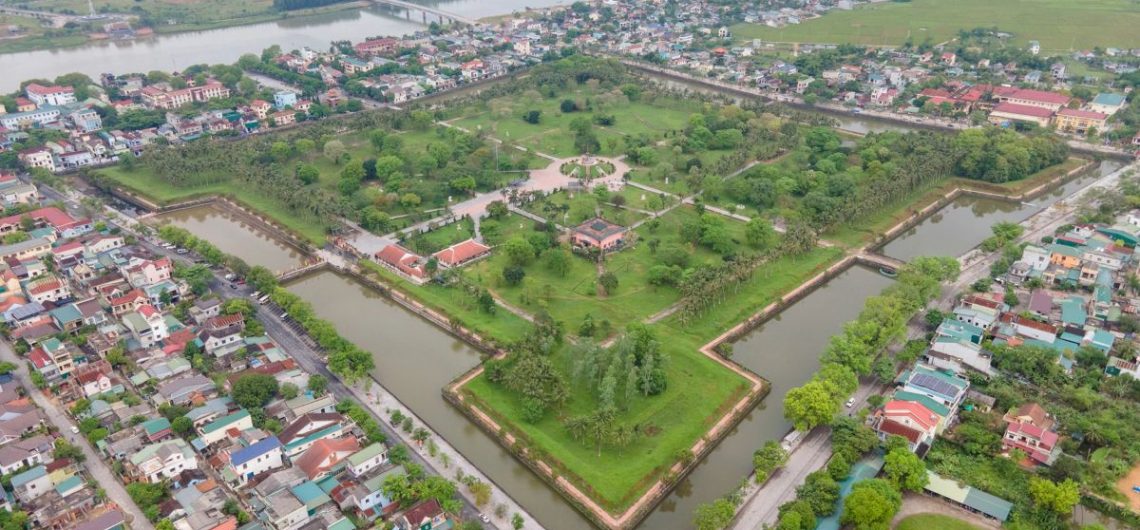
Quang Tri Ancient Citadel
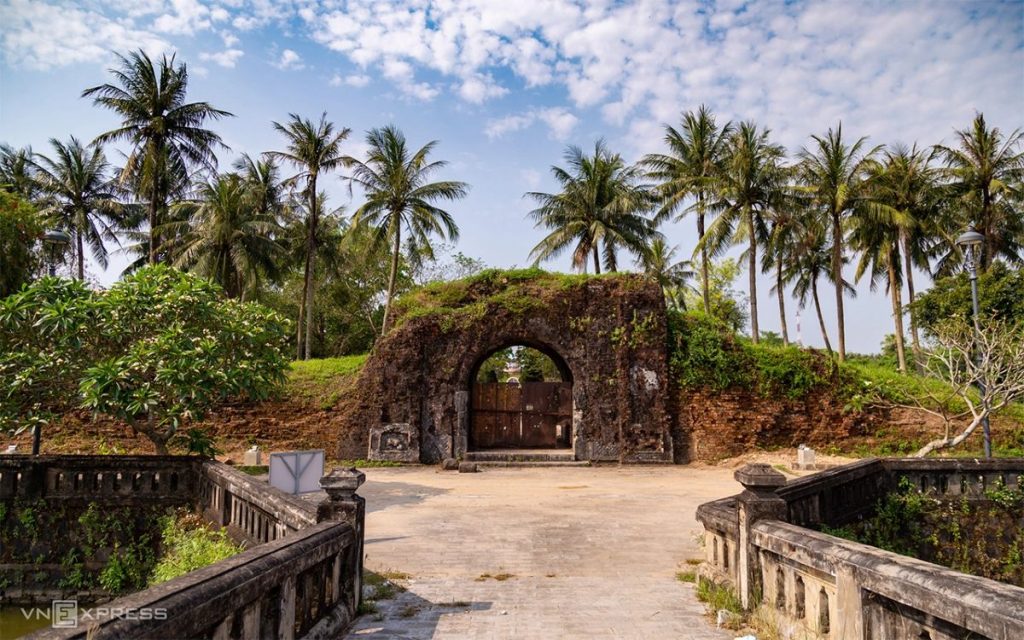
Quang Tri Travel Guide - Quang Tri ancient citadel relic
Quang Tri Travel Guide – Quang Tri ancient citadel relic

In Quang Tri Town lies the Quang Tri Ancient Citadel, a fortress that tells a tragic chapter of the Vietnam War. Built between 1809 and 1837 under the reigns of Emperor Gia Long and Emperor Minh Mang, the citadel was originally designed as a defensive stronghold. Its square shape, measuring nearly two kilometers in perimeter, featured walls about 4 meters high and a surrounding moat 18 meters wide and 3 meters deep. Four gates gave access, with the southern gate serving as the main entrance.

The citadel’s strategic location near the Đông Hà–Hue route meant that it became a military target during the war. In the summer of 1972, the citadel endured a ferocious 81-day siege, during which an estimated 328,000 tons of bombs and artillery shells were dropped on the area—equivalent to seven Hiroshima bombs. The destruction was almost total, but the resistance and sacrifice of thousands of soldiers transformed the site into a symbol of endurance.

Today, the citadel is preserved as a place of commemoration. Visitors can walk among reconstructed gates, memorial gardens, and preserved walls while learning about the sacrifices made here. The site has become a national historic monument and a place of pilgrimage for veterans, families, and travelers seeking to understand the scale of the conflict.

Truong Son National Cemetery
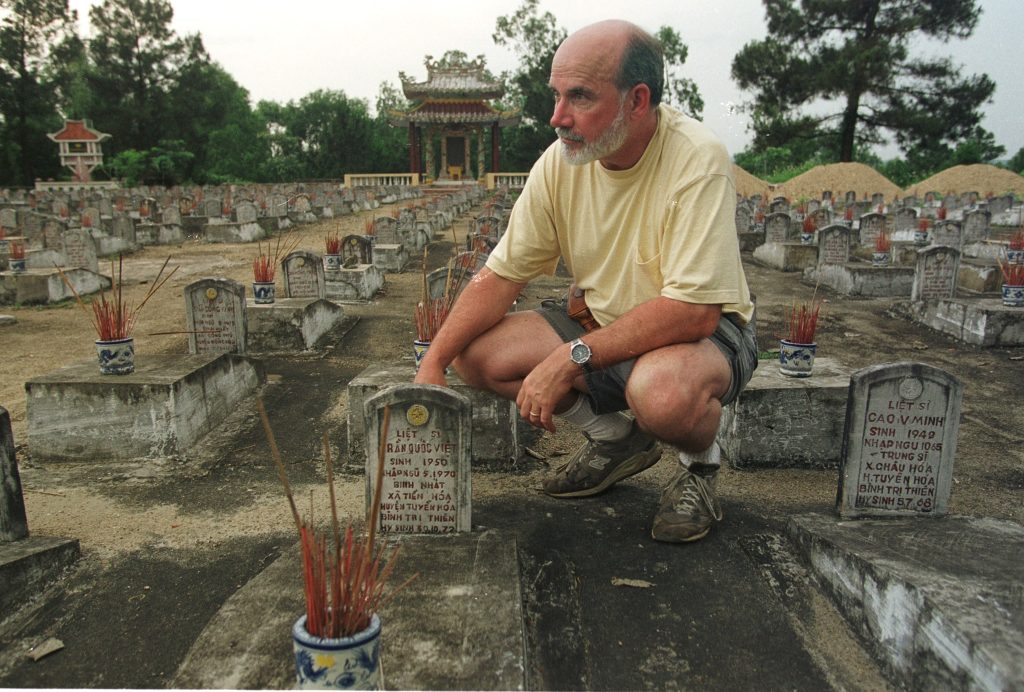
Quang Tri Travel Guide - Truong Son National Cemetery (nick Ut)
Quang Tri Travel Guide – Truong Son National Cemetery (nick Ut)

Located in Gio Linh District, about 25 kilometers northwest of Đông Hà City, Truong Son National Cemetery is the largest war cemetery in Vietnam. Built between 1975 and 1977, the cemetery covers 140,000 square meters across three hills near the headwaters of the Ben Hai River. It is the resting place of more than 10,200 soldiers, organized into ten zones according to their home provinces.

The layout reflects solemn beauty, with shaded pathways, incense altars, and rows of white tombstones stretching across the hillsides. At the center is a large memorial monument honoring the fallen. Visiting Truong Son is a deeply moving experience, where silence and reflection dominate. It reminds visitors of the immense sacrifices made for independence and unity. For Vietnamese, it is a site of national pride and reverence; for international travelers, it offers a sobering glimpse into the human cost of war.

Vinh Moc Tunnels
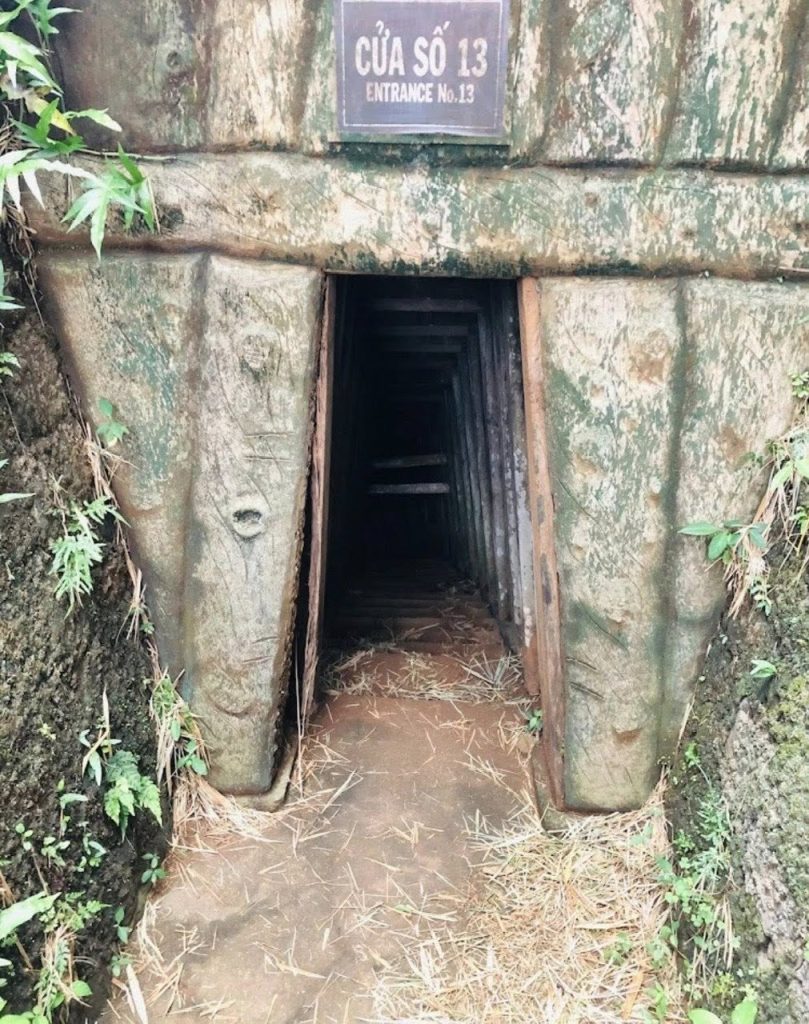
Quang Tri Travel Guide - Vinh Moc Tunnels
Quang Tri Travel Guide – Vinh Moc Tunnels

While the Cu Chi Tunnels near Ho Chi Minh City are widely known, the Vinh Moc Tunnels of Quang Tri present a unique perspective. Built in 1965 by villagers seeking to escape relentless American bombings, this underground network stretches over 2,000 meters.

Unlike Cu Chi, which was primarily used for military operations, Vinh Moc was designed as a living community. The tunnels have three levels, with the deepest reaching 23 meters underground. Inside, visitors can see kitchens, wells, meeting rooms, a hospital, and even a maternity ward where 17 children were born during the war.

Walking through these dim passageways gives an extraordinary sense of resilience and determination. The tunnels were not only shelters but also a testament to the villagers’ ingenuity and survival spirit. Today, they stand as a historical site and a poignant reminder of how ordinary people endured extraordinary circumstances.

Khe Sanh Combat Base
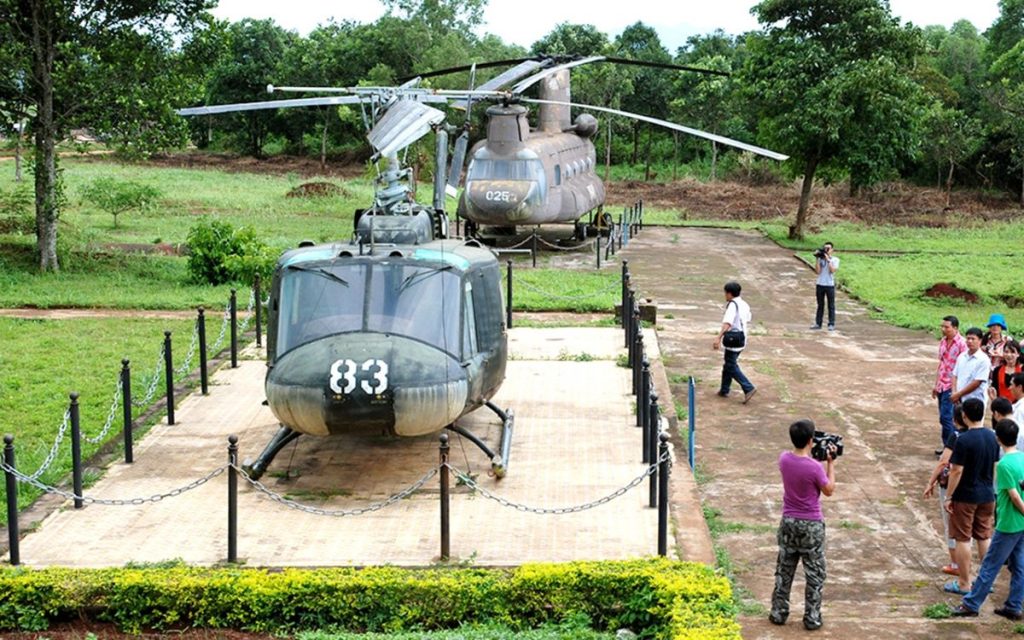
Quang Tri Travel Guide - Khe Sanh base relic site.
Quang Tri Travel Guide – Khe Sanh base relic site.

In the western district of Hướng Hóa lies Khe Sanh Combat Base, one of the most heavily contested battlefields of the Vietnam War. Situated along National Highway 9, 63 kilometers west of Đông Hà, Khe Sanh was transformed by U.S. forces into a massive military outpost.

Surrounded by red earth valleys and mountains rising 400 meters above sea level, Khe Sanh became the site of the infamous 1968 siege. For 77 days, North Vietnamese forces surrounded the base in what became one of the most intense confrontations of the war. Later, in 1971, it again played a role in the Route 9–Southern Laos Campaign.

Today, visitors can explore the Tà Cơn Airfield and remnants of bunkers, trenches, barbed wire, and even abandoned American aircraft and tanks. A museum on-site displays photographs, weapons, and artifacts from the battles. Standing on the grounds of Khe Sanh offers a chilling sense of the fierce struggles that unfolded here.

La Vang Sanctuary
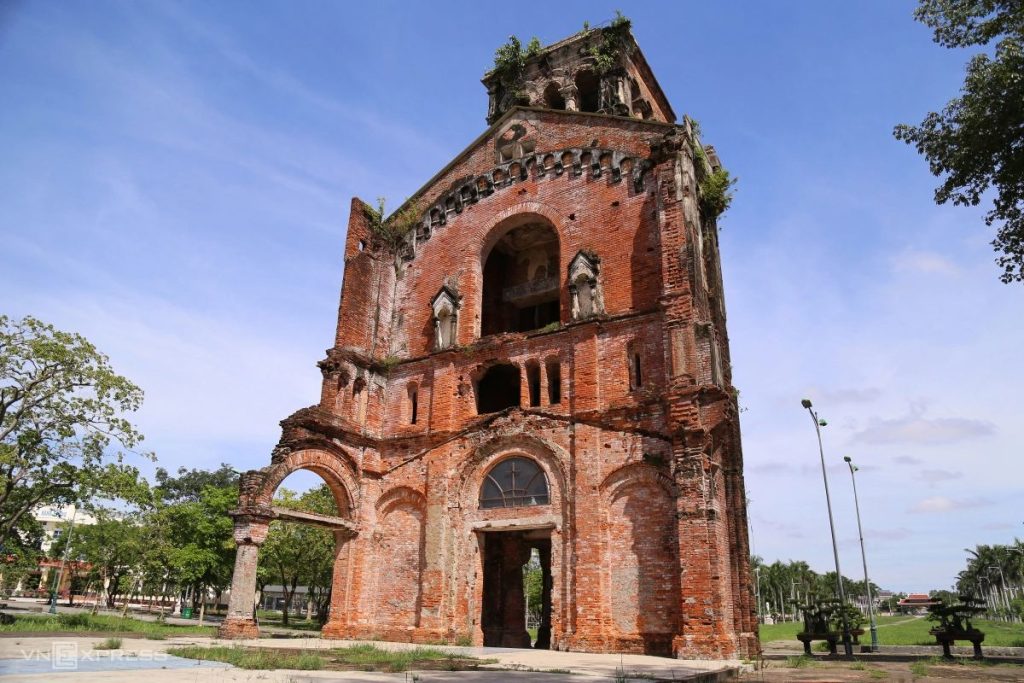
Quang Tri Travel Guide - Remnants of La Vang Sanctuary remaining after the 1972 bombing
Quang Tri Travel Guide – Remnants of La Vang Sanctuary remaining after the 1972 bombing

Beyond war history, Quang Tri Vietnam is also home to important religious and cultural landmarks. Chief among them is the La Vang Sanctuary, located in Hải Lăng District. It is a major pilgrimage site for Vietnamese Catholics, who believe that the Virgin Mary appeared here in 1798 to comfort persecuted believers.

The sanctuary grounds preserve remnants of a red-brick cathedral destroyed during wartime in 1972. Only the bell tower still stands, flanked by a large statue of the Virgin Mary and an altar. Pilgrims often gather under the shade of three ancient banyan trees, believed to mark the site of the apparition.

In 1961, the Vatican recognized La Vang as a Minor Basilica. In 2012, a new basilica was built, continuing the site’s role as a spiritual heart for Catholics in Vietnam and abroad. For visitors, La Vang combines religious reverence with historical layers, creating a destination of both faith and culture.

Dong Ha Market

To experience daily life in Quang Tri, a visit to Dong Ha Market is essential. Situated along the Hiếu River in the provincial capital, it is the largest market in the province. Its design, resembling boats docked side by side, reflects the area’s riverside trading traditions.

Today, Dong Ha Market is a bustling hub where local and imported goods converge, particularly products from Laos, Thailand, and China, traded through the Lao Bảo Border Gate. Travelers can browse everything from textiles and household items to regional specialties and fresh produce. For those who enjoy local markets, it is a lively space to observe commerce and connect with locals.

Quang Tri Natural Attractions

While Quang Tri is most often associated with history, it is also a land of natural beauty. Along its 75-kilometer coastline and throughout its highland valleys, the province offers pristine beaches, tranquil rivers, and lush forests. Added to this are small villages where ethnic communities preserve unique traditions. Together, these elements create a well-rounded travel experience, blending relaxation, exploration, and cultural immersion.

Cua Tung Beach
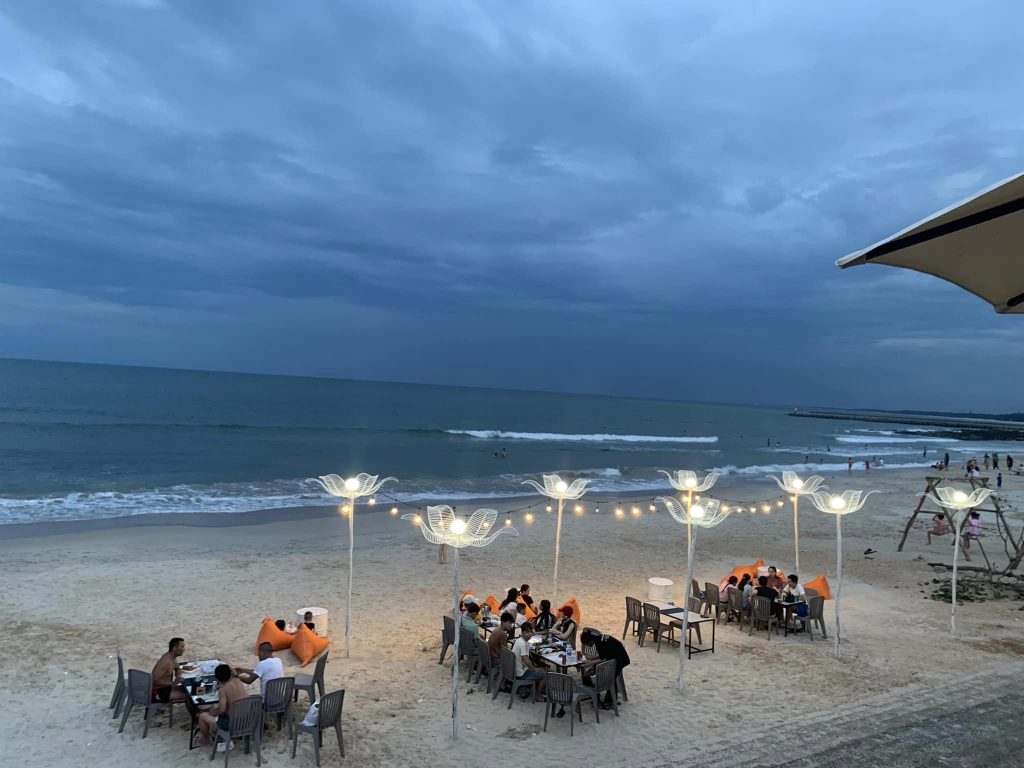
Quang Tri Travel Guide - Cua Tung Beach
Quang Tri Travel Guide – Cua Tung Beach

Among Quang Tri’s coastal treasures, Cua Tung Beach holds a special place. About 30 kilometers from Đông Hà City, it was once regarded as the “Queen of Beaches” during the early 20th century. French colonialists favored it as a premier seaside retreat, drawn to its crescent-shaped shoreline and soft white sand.

The beach stretches nearly one kilometer, with a width of 25–30 meters. Its gentle slope and calm, clear waters make it ideal for swimming. However, in recent years, the beach has suffered from erosion due to the construction of sea dikes, fishing ports, and bridges at the mouth of the Ben Hai River. Though smaller than before, Cua Tung still retains its natural charm.

Travelers can stroll along the promenade, enjoy local seafood at beachside stalls, or simply relax in a place where history and leisure intertwine. For those seeking a quieter alternative to more crowded Vietnamese beaches, Cua Tung offers a nostalgic and peaceful atmosphere.

Cua Viet Beach

About 17 kilometers from Đông Hà and 15 kilometers south of Cua Tung lies Cua Viet Beach, now the most popular seaside destination in Quang Tri. With its wide sandy shore and clear turquoise waters, it is particularly inviting for families and groups.

Over the last decade, Cua Viet has seen significant development, with resorts, hotels, and restaurants springing up along the coast. On weekends and holidays, locals flock here for swimming and beach games, while fresh seafood dishes remain the highlight of any visit. Annually, Cua Viet welcomes around 30,000 domestic and international visitors.

Compared to Cua Tung, Cua Viet offers more modern facilities, including jet-ski rentals, beach volleyball courts, and a growing range of accommodations. For travelers who wish to combine historical exploration with seaside relaxation, this beach provides a convenient and enjoyable option.

Con Co Island
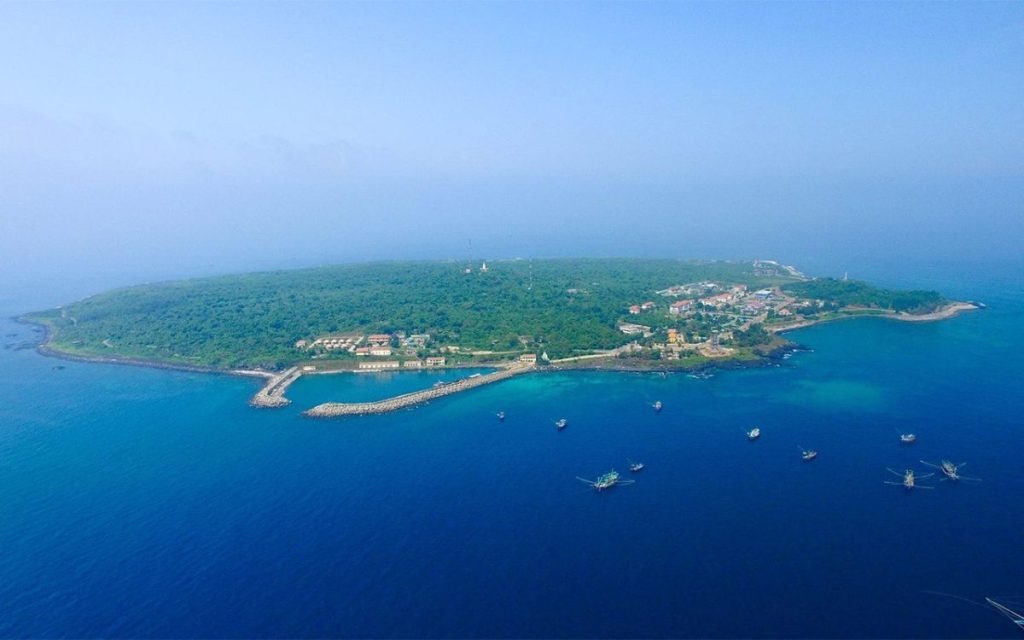
Quang Tri Travel Guide - Con Co Island
Quang Tri Travel Guide – Con Co Island

Off the coast of Quang Tri, about 30 kilometers from the mainland, lies Con Co Island, a small volcanic outcrop with an outsized history. Covering only 2.3 square kilometers, Con Co was once a strategic military outpost during the Vietnam War. The island gained the title “Heroic Island” for the bravery of its defenders who repelled multiple attacks.

Today, Con Co is slowly transforming into a tourist destination focused on eco-travel and cultural heritage. Despite its small size, it offers a surprising variety of attractions:

  • Historical landmarks such as the traditional house of Con Co, a war infirmary bunker, and a memorial to fallen soldiers.
  • Natural highlights including coastal rock formations, walking paths through forests, and a cluster of square-fruited barringtonia trees (bàng vuông).
  • Marine treasures like coral reefs—most notably rare red coral, seen for the first time in Vietnam here—as well as starfish, sea cucumbers, and tropical fish.

Currently, the island has seven guesthouses providing 73 rooms, accommodating around 300 visitors. Two ferry services connect Cua Viet Port to Con Co: the ConCo Tourist boat (80 passengers) and the Chín Nghĩa ferry (156 passengers). On the island, visitors can hike, cycle, snorkel, or simply enjoy the pristine environment. Sports facilities such as a football field and tennis court add to the island’s recreational options.

For adventurous travelers, Con Co remains one of Vietnam’s lesser-known gems—untouched, peaceful, and full of stories.

Dakrong River and Bridge

Flowing from the Trường Sơn Mountains, the Dakrong River winds its way past ethnic villages before merging with the Rao Quan River and eventually reaching the Cua Viet estuary. Along its course, visitors encounter both natural beauty and historical echoes.

The river is linked to the local legend of the Dakrong Girl, a tale of love and sacrifice that still resonates in Quang Tri’s folklore. During the Vietnam War, villagers ferried soldiers across this river, making it a lifeline of the Ho Chi Minh Trail.

The original Dakrong Bridge, built with Cuban assistance after 1975, collapsed in 1999. Today, a modern cable-stayed bridge spans the river, blending with the surrounding mountains and forests. Standing here, visitors not only take in scenic views but also sense the river’s symbolic role as a witness to resilience and cultural heritage.

Khe Sanh Valley

While primarily remembered as a battlefield, Khe Sanh also offers natural allure. Nestled at 400 meters above sea level, the valley features fertile red soil ideal for coffee cultivation. Highland breezes cool the area, and surrounding hills provide picturesque backdrops.

Travelers can visit coffee farms, taste locally grown beans, and interact with the ethnic Bru-Van Kieu people who inhabit the region. Beyond the war relics, Khe Sanh is evolving into a destination for agro-tourism, where culture, history, and nature meet.

Bich La Ancient Village
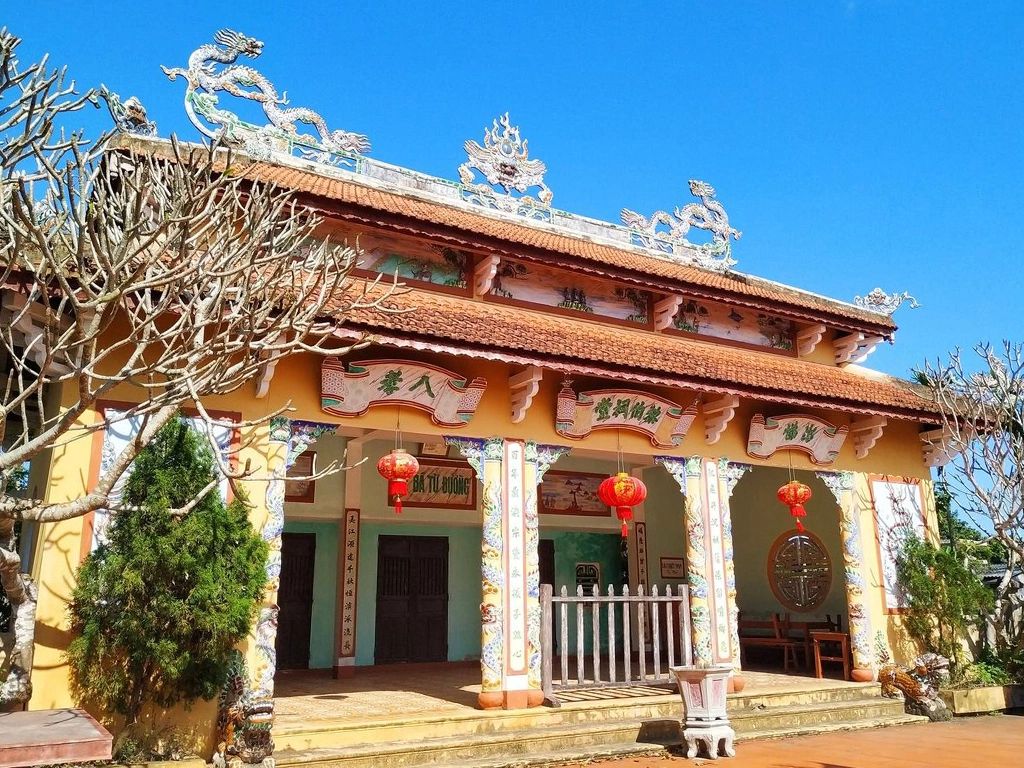
Quang Tri Travel Guide - Old House in Bich La Ancient Village
Quang Tri Travel Guide – Old House in Bich La Ancient Village

Located in Triệu Phong District, Bich La Village boasts more than 500 years of history. Known as a land of great cultural and spiritual heritage, it is surrounded by sacred temples and shrines. Each year, villagers celebrate a đình festival, which draws visitors from across the region.

The village is also a living museum of traditional Vietnamese rural life. Folk games such as “bài chòi” (a card game combined with singing), “hát bá trạo” (fishermen’s songs), and calligraphy contests are still practiced here. Local crafts and rituals provide a glimpse into Vietnam’s enduring village culture. For travelers eager to explore authentic heritage, Bich La offers a fascinating window into both the past and present.

Lao Bao Border Gate

Situated in Hướng Hóa District, Lao Bao Border Gate is one of Vietnam’s busiest land crossings into Laos. It connects Quang Tri with Savannakhet Province in Laos and serves as a vital hub for trade.

For travelers, Lao Bao offers two attractions:

  1. Cross-border exploration: With a valid passport, visitors can easily enter Laos to discover nearby Buddhist temples, markets, and landscapes.
  2. Shopping: The border area is known for inexpensive goods imported from Thailand and Laos. Everything from clothing to household products can be found at reasonable prices, making Lao Bao a popular shopping stop.

>> Browse Vietnam tours to find more journeys filled with history and adventure!

Van Kieu and Pa Ko Ethnic Villages

Beyond towns and beaches, Quang Tri’s identity is also shaped by its ethnic minority communities. The Van Kieu and Pa Ko peoples inhabit districts such as Đakrông, Hướng Hóa, Vĩnh Linh, and Gio Linh. Their history is marked by loyalty to Vietnam’s revolution: in 1957, villagers requested to adopt the surname “Hồ” in honor of President Hồ Chí Minh, symbolizing their gratitude and solidarity.

Visiting these villages allows travelers to experience distinctive culture. The Van Kieu and Pa Ko possess a rich collection of musical instruments, each associated with particular festivals. Their stilt houses, communal celebrations, and traditional costumes create vivid impressions. Local hospitality is warm, and community-based tourism initiatives now give visitors opportunities to stay overnight, join cultural performances, and taste local cuisine.

For those seeking authentic encounters, the highland villages of Quang Tri offer some of the most memorable travel experiences.

Accommodation in Quang Tri

Most accommodations are concentrated in Đông Hà City, Quang Tri Town, and coastal resort areas such as Cửa Tùng and Cửa Việt.

  • In Đông Hà City: Options include mid-range to upscale hotels like Saigon–Đông Hà Hotel, Mường Thanh Quảng Trị Hotel, Golden Hotel, Khải Hoàn Hotel, and Hữu Nghị Hotel. Prices generally range between 500,000 and 1,000,000 VND per night. Budget guesthouses and smaller hotels are also available for 150,000–300,000 VND per night, catering well to backpackers and budget-conscious travelers.
  • In Quang Tri Town: Choices are more limited, but properties such as Mekong Hotel and Ruby Light Hotel are notable.
  • At Cửa Việt Beach: Seaside resorts such as Golden Sea Resort and Sepon Boutique Resort offer comfortable stays priced between 800,000 and 1.2 million VND per night. Several smaller hotels are available around 500,000 VND per night.
  • At Cửa Tùng Beach: A few accommodations exist near the historic beach, although choices are more modest compared to Cửa Việt.

Quang Tri Cuisine
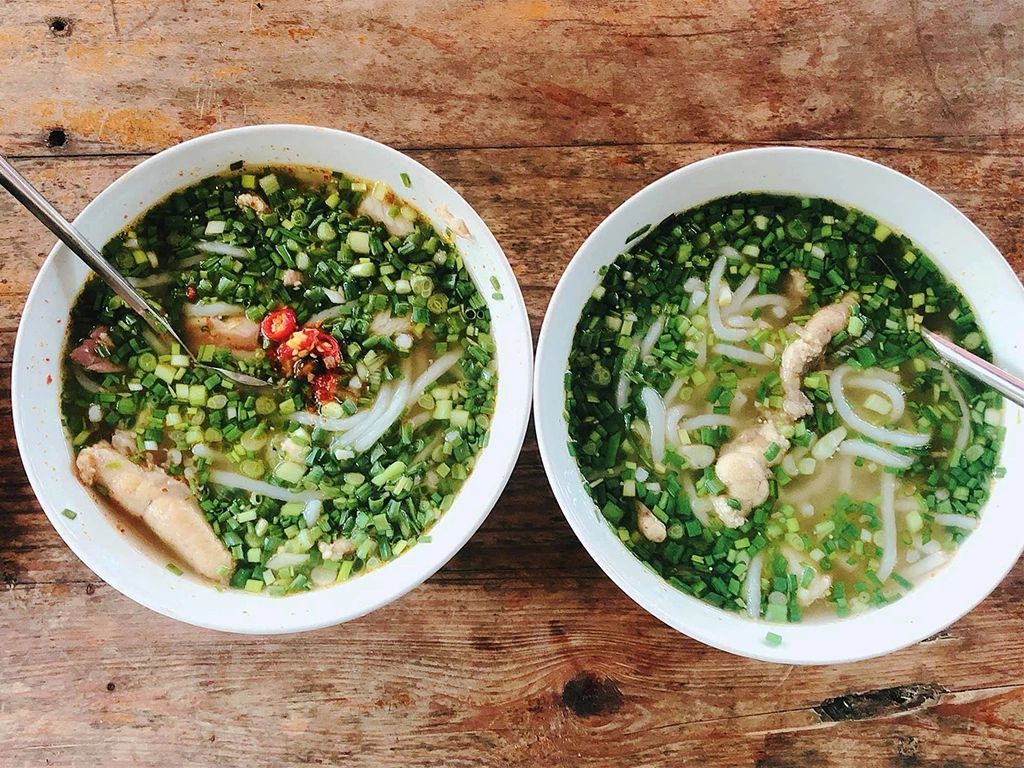
Quang Tri Travel Guide - Rice Noodle Soup
Quang Tri Travel Guide – Rice Noodle Soup

Beyond its historical landmarks and natural beauty, Quang Tri is also a land of culinary delights. The province’s food reflects its cultural diversity, rural roots, and resilience through hardship. Many dishes are simple, yet full of character, often combining local ingredients with distinctive preparation methods. For travelers, sampling these specialties is one of the most rewarding ways to connect with local life. Alongside cuisine, knowing when and how to travel safely is essential, since Quang Tri’s weather can be extreme. This chapter introduces the must-try dishes of the region and provides practical advice for planning your journey.

Cháo Vạt Giường (Rice Noodle Soup)

Known locally by several names—cháo vạt giường, cháo bột, cháo cá—this dish is one of Quang Tri’s signature comfort foods. Unlike traditional porridge made from simmered rice, cháo vạt giường uses rice flour dough that is rolled thin, then cut into strips resembling the bamboo slats of a bed frame (hence the name “vạt giường”).

The broth is made from snakehead fish (cá lóc). The fish is steamed, deboned, and its flesh added to the soup, while the bones and head are pounded to extract flavor for the stock. The result is a clear, sweet, and slightly earthy broth. Fried shallots, fresh herbs, and chili peppers complete the dish. Diners typically use both chopsticks and a spoon, savoring chewy noodles, tender fish, and a balanced harmony of spicy, savory, and sweet flavors.

Bún Hến Mai Xá (Clam Noodle Soup)

In Mai Xá Village, Gio Linh District, travelers will encounter a humble yet delicious specialty: bún hến Mai Xá. Despite its name, the dish is not made from regular clams but from “chắt chắt,” a small mollusk with darker shells. These must be soaked overnight in rice water to release sand and slime, then boiled and separated from their shells.

The cooking liquid is settled to make a flavorful broth, while the mollusks are stir-fried with aromatic shallots and spices. Served over rice vermicelli with herbs and a side of garlic–ginger fish sauce, the dish is light yet satisfying. For locals, bún hến is both a daily staple and a symbol of village pride. For visitors, it is an opportunity to taste the bounty of Quang Tri’s rivers.

Boiled Jackfruit with Fermented Fish Sauce

A simple but unique dish, boiled jackfruit (mít luộc) dipped in mắm nêm is a rustic Quang Tri specialty. The jackfruit is sliced lengthwise into strips, then boiled until tender yet crunchy. Timing is key: undercooking leaves the fruit tough and bitter, while overcooking makes it mushy.

The star of the dish is the dipping sauce. Mắm nêm, a pungent fermented anchovy sauce, is mixed with sugar, chili, garlic, and lime to balance its strong aroma. Eaten with boiled jackfruit and fresh herbs, the dish bursts with flavor—salty, sweet, sour, spicy, and slightly bitter all at once. This reflects the resilience of the region’s people, who could turn even modest ingredients into memorable meals.

Lòng Sả (Herbal Offal Soup)

The name may sound strange, but lòng sả is a beloved dish among locals, especially on cold or rainy days. It is made with duck or pork offal cooked in a broth flavored with lemongrass and sometimes blood pudding. The aroma of lemongrass cuts through the richness, creating a warming and hearty soup.

Served hot with plenty of chili, lòng sả is believed to ward off colds and boost energy. It can be eaten with bread or rice, making it both versatile and filling. For adventurous food lovers, this dish offers a genuine taste of local home cooking.

Grilled Buffalo Meat with Trơng Leaves

One of Quang Tri’s most distinctive dishes is thịt trâu lá trơng. Fresh buffalo meat is sliced, marinated with spices, then wrapped in trơng leaves before grilling. The leaves impart a subtle herbal sharpness, while the grilling process locks in juices and gives the meat a smoky flavor.

The result is tender, slightly spicy, and deeply aromatic. In some households, buffalo meat is stir-fried with trơng leaves instead, along with onions and garlic. Whether grilled or sautéed, this dish is often paired with local rice wine and shared among friends, reflecting the hospitality of the region.

Sweet Corn Stew (Bắp Hầm)

Sold by street vendors across Quang Tri, bắp hầm may seem ordinary at first glance but has a special place in local snacking culture. Sticky corn kernels are removed from the cob, soaked overnight, then simmered until plump and tender. Green beans, sugar, sesame, and a pinch of salt are added, creating a wholesome and aromatic dish.

Each spoonful delivers sweetness from corn and beans, nuttiness from sesame, and a chewy texture that keeps it satisfying. Whether eaten as breakfast, dessert, or a casual snack, bắp hầm is comfort food at its finest.

Other Local Flavors
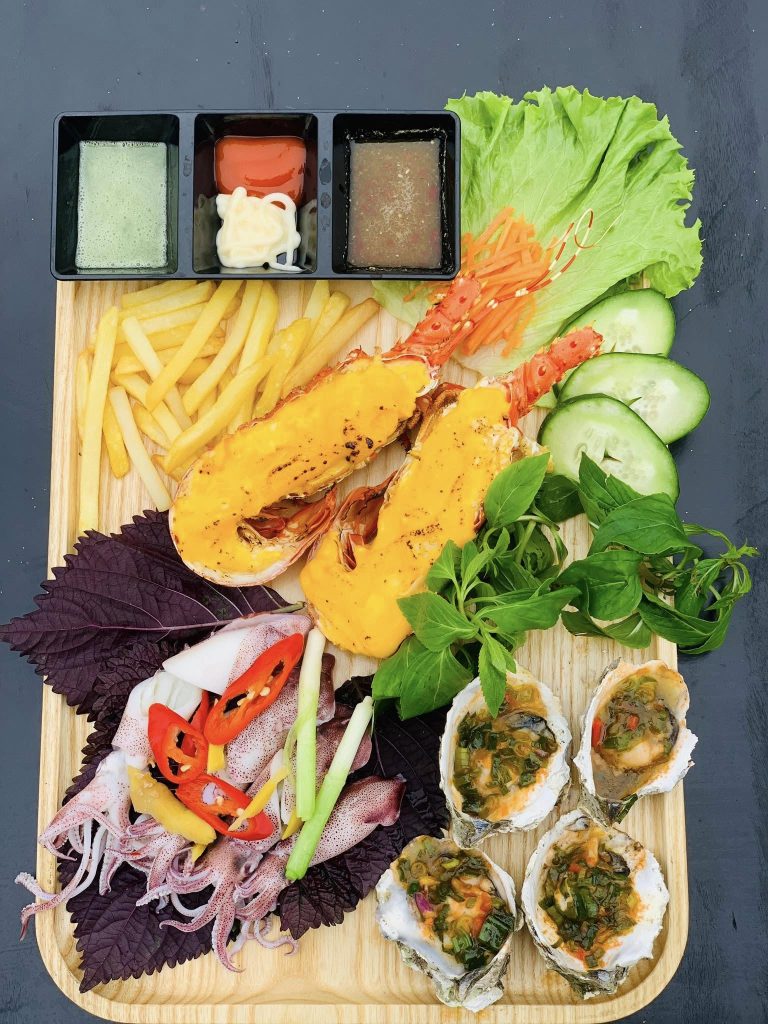
Quang Tri Travel Guide - Seafood dish at Mekong Cua Tung Restaurant
Quang Tri Travel Guide – Seafood dish at Mekong Cua Tung Restaurant

Beyond these signature dishes, Quang Tri also offers an array of specialties worth sampling:

  • Grilled seafood from Cua Viet and Cua Tung, especially squid and shrimp.
  • Rice paper rolls with herbs and pork, dipped in spicy peanut sauce.
  • Wild vegetable stir-fries, often gathered from forests and hillsides.
  • Local rice wine, distilled in villages and often shared during festive gatherings.

Together, these foods reflect the province’s creativity in using simple ingredients to create complex flavors.

Travel Tips for Quang Tri

  1. Weather Precautions
    Quang Tri’s weather can be unpredictable and extreme. From May to August, hot dry winds (gió Lào) make the climate sweltering. From October to February, heavy rains, storms, and floods are common. The best time to visit is from March to April or from late August to early October, when conditions are relatively mild. Always check the forecast before traveling and pack accordingly.
  2. Transportation on Arrival
    While Đông Hà is well connected by train, bus, and road, local transport is more limited. Taxis, motorbike taxis (xe ôm), and car rentals are available, but services are not as abundant as in larger cities. If planning to visit beaches or Con Co Island, arrange transport in advance.
  3. Respect for Historical Sites
    Many attractions in Quang Tri are war memorials or cemeteries. Dress modestly, speak respectfully, and avoid disruptive behavior. Photography may be restricted in certain areas, especially at cemeteries. Light incense and offer a moment of silence if joining local visitors in remembrance.
  4. Interaction with Local Communities
    When visiting Van Kieu or Pa Ko villages, ask permission before taking photos and consider purchasing local handicrafts to support the community. Joining traditional music or dance performances is encouraged but always follow the lead of your hosts.
  5. Currency and Costs
    Quang Tri is generally affordable. Meals at local eateries range from 30,000–70,000 VND, while mid-range hotel rooms cost 500,000–1,000,000 VND per night. Credit cards are less commonly accepted in rural areas, so carrying cash is essential.
  6. Safety and Health
    Quang Tri is safe for travelers, with low crime rates. However, as in any rural province, be cautious of traffic on highways and rough terrain in mountainous areas. Bring mosquito repellent for forested zones and consider travel insurance for peace of mind.

Conclusion

Quang Tri is a province where history, nature, and culture converge to create one of Vietnam’s most meaningful travel experiences. From its solemn landmarks such as Hien Luong Bridge, Quang Tri Ancient Citadel, Truong Son National Cemetery, and Vinh Moc Tunnels, travelers are reminded of the nation’s resilience and sacrifices. Yet beyond the war memories, the province reveals a softer side: tranquil beaches like Cua Viet and Cua Tung, the untouched charm of Con Co Island, and the poetic flow of the Dakrong River. Villages such as Bich La and the highland communities of the Van Kieu and Pa Ko ethnic groups preserve centuries-old traditions, offering insight into authentic Vietnamese rural life. To complete the journey, Quang Tri’s cuisine delivers unforgettable flavors—from cháo vạt giường and bún hến to rustic boiled jackfruit and smoky buffalo meat with trơng leaves—simple dishes that embody local ingenuity and warmth. Though the climate can be harsh, careful planning ensures safe and rewarding travel.

Quang Tri Vietnam has become a meaningful destination for American veterans as well as students from U.S. military academies, who often visit to learn and reflect on its history. If you would like to include Quang Tri in your customized Vietnam tour, please reach out to us for assistance.

Source: vietnamnet.vn
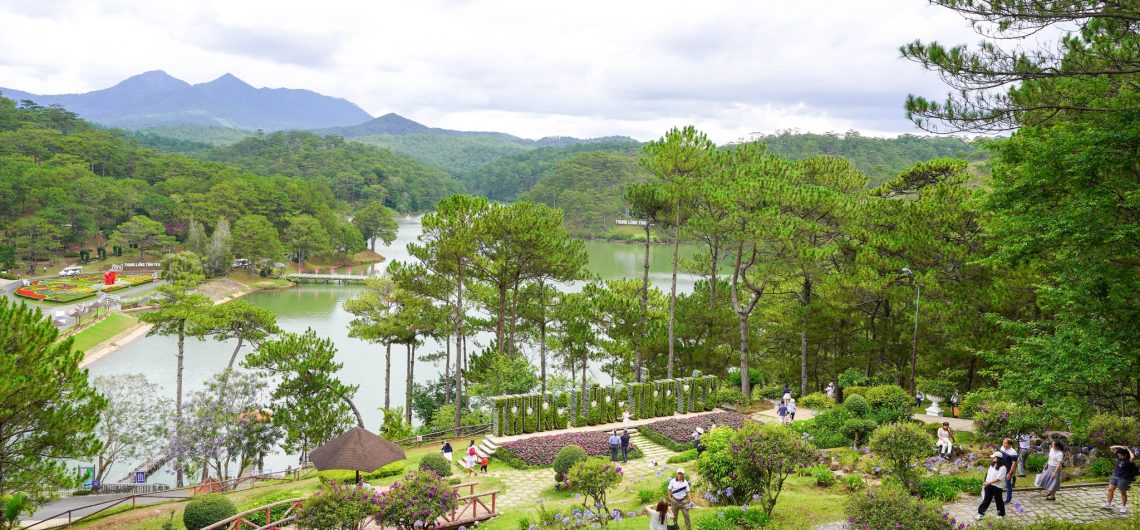
Discover why Da Lat is called the “City of Eternal Spring.” Our Da Lat travel guide features the best time to visit, things to do, food to try, and travel tips.

Known as the “City of Eternal Spring”, Da Lat in Vietnam’s Central Highlands is one of the country’s most charming destinations. With a cool temperate climate, pine-covered hills, flower gardens, and French colonial villas, Da Lat feels worlds apart from bustling Ho Chi Minh City or Hanoi. Whether you’re a couple looking for romance, an adventurer craving mountain trekking, or a family seeking a relaxing holiday, Da Lat has something to offer. This Da Lat travel guide covers everything you need to know: location, how to get there, the best time to visit, where to stay, what to eat, and the top things to do in Da Lat Vietnam.
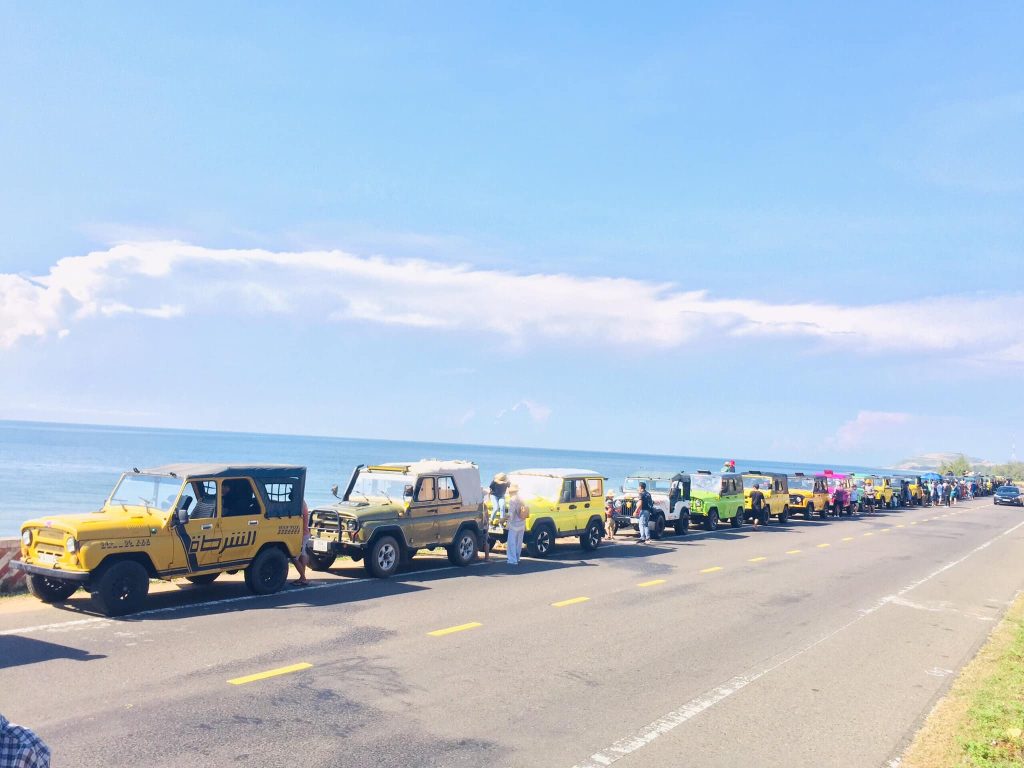
Location and Geography of Da Lat

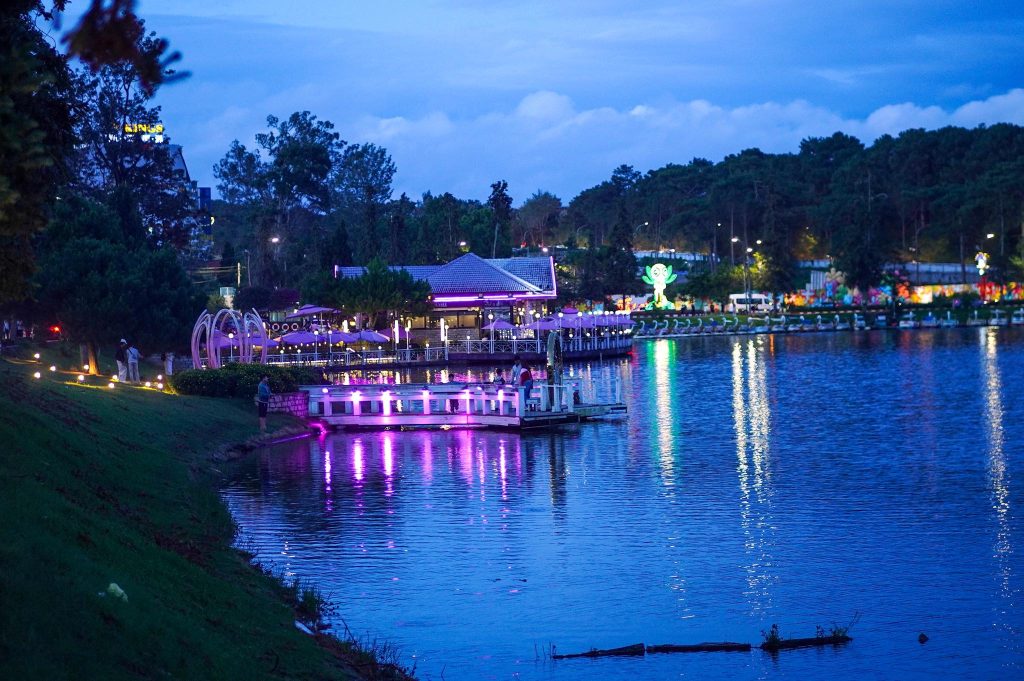
Da Lat Vietnam Travel Guide - Xuan Huong Lake (Glory Mae Panase)
Da Lat Vietnam Travel Guide – Xuan Huong Lake (Glory Mae Panase)

Da Lat is located in Lâm Đồng Province in Vietnam’s Central Highlands, about 300 km northeast of Ho Chi Minh City. Sitting at an altitude of around 1,500 meters above sea level, the city enjoys mild weather all year round. The surrounding landscapes are defined by pine forests, rolling hills, valleys, lakes, and spectacular waterfalls. This geography makes Da Lat a paradise for eco-tourism, adventure sports, and nature lovers.

How to Get to Da Lat

One of the most practical parts of any Da Lat travel guide is learning how to get there. Fortunately, the city is well connected:

By Air

  • Lien Khuong Airport is about 30 km from Da Lat city center.
  • Domestic flights operate daily from Ho Chi Minh City, Hanoi, Da Nang, and Hai Phong.
  • From the airport, travelers can take a shuttle bus, taxi, or private car.

By Road

  • From Ho Chi Minh City: The journey takes 6–7 hours by bus or private car. Several companies like Phuong Trang and Thanh Buoi run daily buses with sleeper options.
  • From Nha Trang: A 3–4 hour drive across scenic mountain passes with panoramic views of forests and valleys.
  • From Mui Ne (Phan Thiet): About 4–5 hours by car or bus, ideal for combining beach and highland experiences.

By Train

There is no direct train to Da Lat, but visitors can travel by train to Nha Trang and then continue by road. For a nostalgic experience, try the Da Lat–Trai Mat vintage train, a 7-km heritage ride that captures the city’s colonial charm.

Best Time to Visit Da Lat

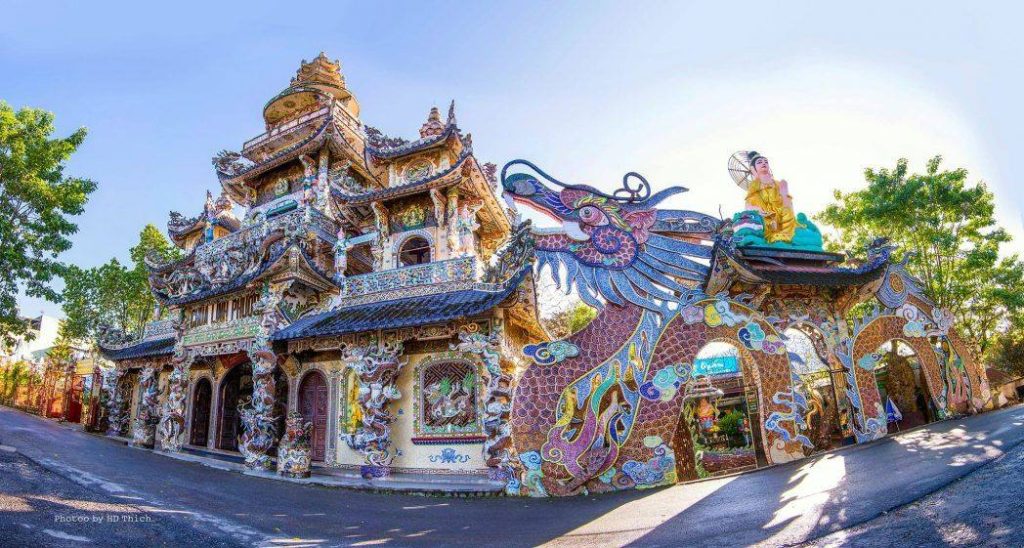
Da Lat Vietnam Travel Guide - Ling Phuoc Pagoda (HD Thich)
Da Lat Vietnam Travel Guide – Ling Phuoc Pagoda (HD Thich)

The city’s nickname, “City of Eternal Spring,” highlights its pleasant weather, but there are seasonal nuances:

  • December – March: Best time to enjoy blooming cherry blossoms, wildflowers, and clear skies. Perfect for photography and outdoor sightseeing.
  • April – June: Fresh spring weather, fewer crowds, and great for trekking and waterfalls.
  • July – September: Rainy season, lush greenery, and fewer tourists. Be prepared for afternoon showers.
  • October – November: Misty mornings, romantic vibes, and fields of wild sunflowers. Ideal for couples and honeymooners.

In short, the best time to visit Da Lat is between December and March for flowers or October to November for a cozy, romantic atmosphere.

Things to Do in Da Lat Vietnam

In the Southern Vietnam, Da Lat is packed with attractions that blend nature, culture, and adventure. Here are the highlights every traveler should explore:

1. Explore Langbiang Mountain

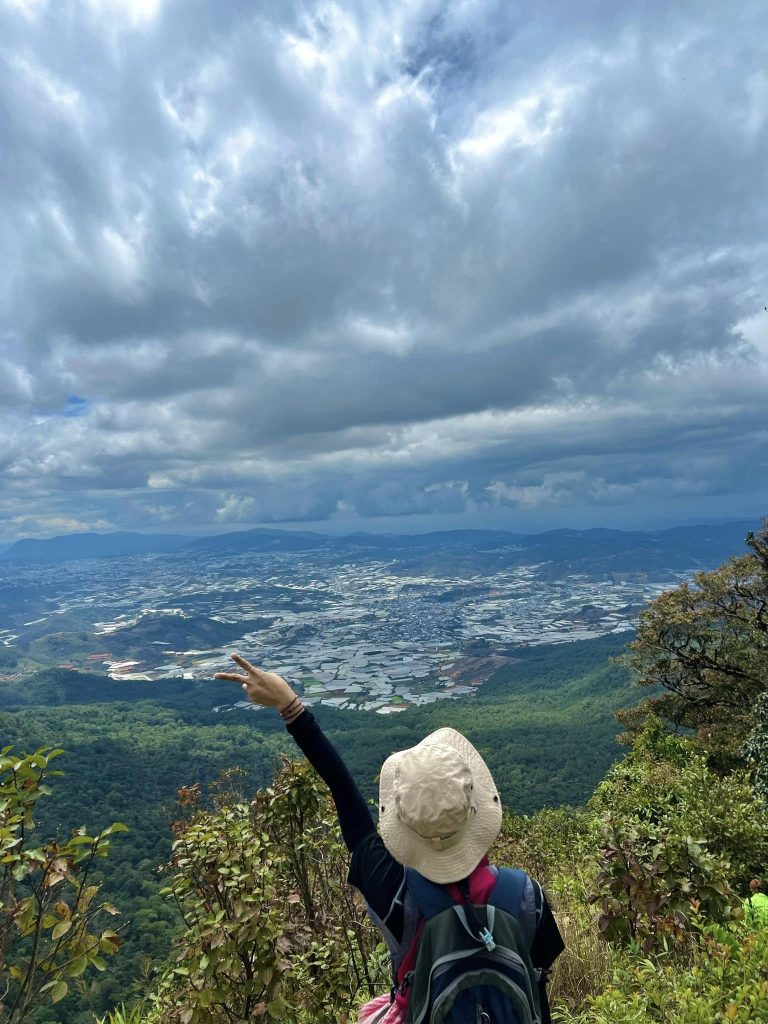
View from Langbiang Peak

Standing tall at over 2,000 meters, Langbiang Mountain is the crown jewel of Da Lat. Adventurous travelers can trek to the summit for sweeping views of Da Lat city and the surrounding valleys. Jeep rides are also available for those who prefer a faster trip up.

2. Visit Stunning Waterfalls

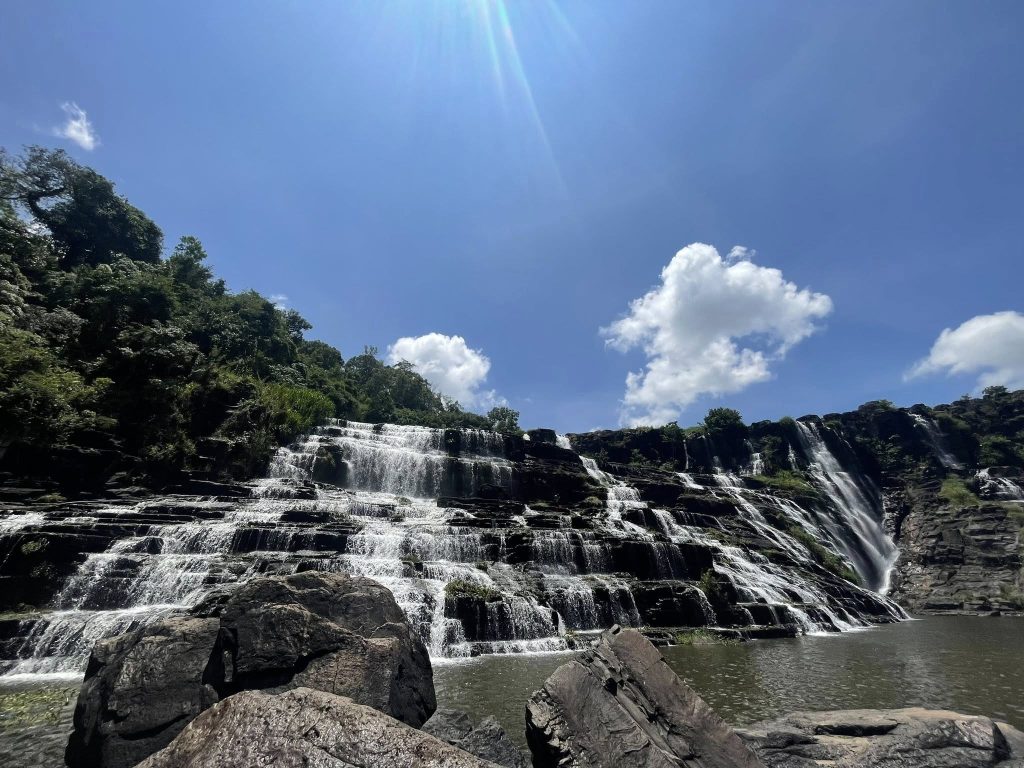
Da Lat Vietnam Travel Guide - Pongour Waterfall (Thu ra Soe)
Da Lat Vietnam Travel Guide – Pongour Waterfall (Thu ra Soe)

Da Lat is famous for its waterfalls, each offering unique beauty:

  • Pongour Waterfall – Known as the “Seven-Layered Waterfall,” with a majestic multi-tiered cascade.
  • Elephant Waterfall – A powerful natural wonder surrounded by jungle.
  • Datanla Waterfall – Easy access with fun activities like alpine coaster rides.

3. Relax at Tuyen Lam Lake

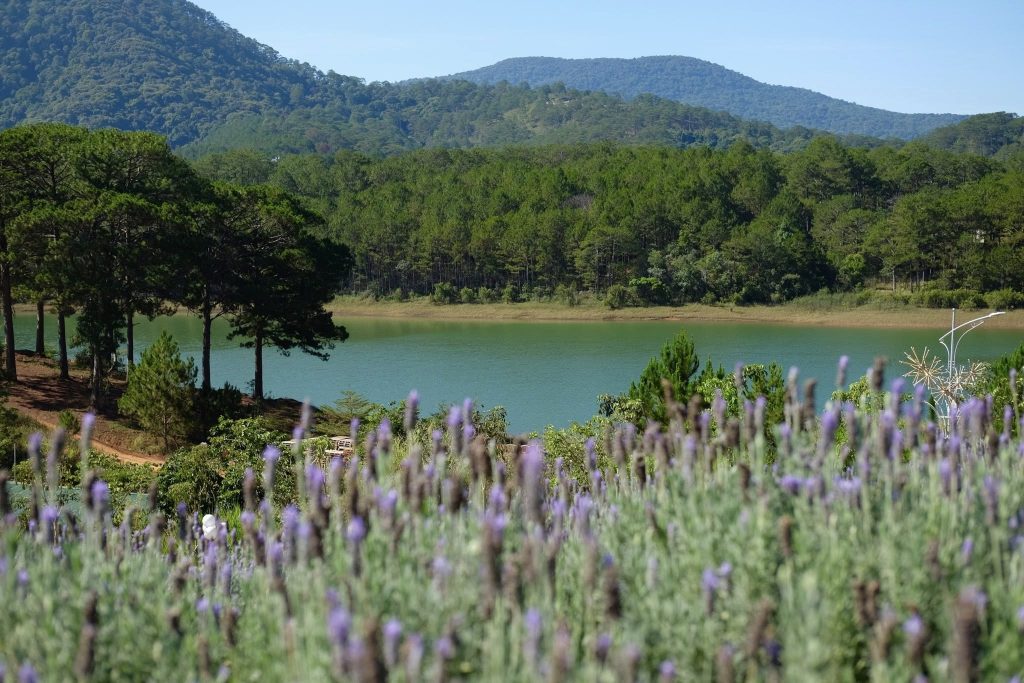
Da Lat Vietnam Travel Guide - Tuyen Lam Lake (Thanh Viet)
Da Lat Vietnam Travel Guide – Tuyen Lam Lake (Thanh Viet)

A vast freshwater lake located 7 km south of Da Lat, Tuyen Lam Lake is perfect for boating, kayaking, camping, or enjoying a quiet lakeside coffee. Surrounded by pine forests, it’s a favorite escape for nature lovers.

4. Discover Bao Dai’s Summer Palace

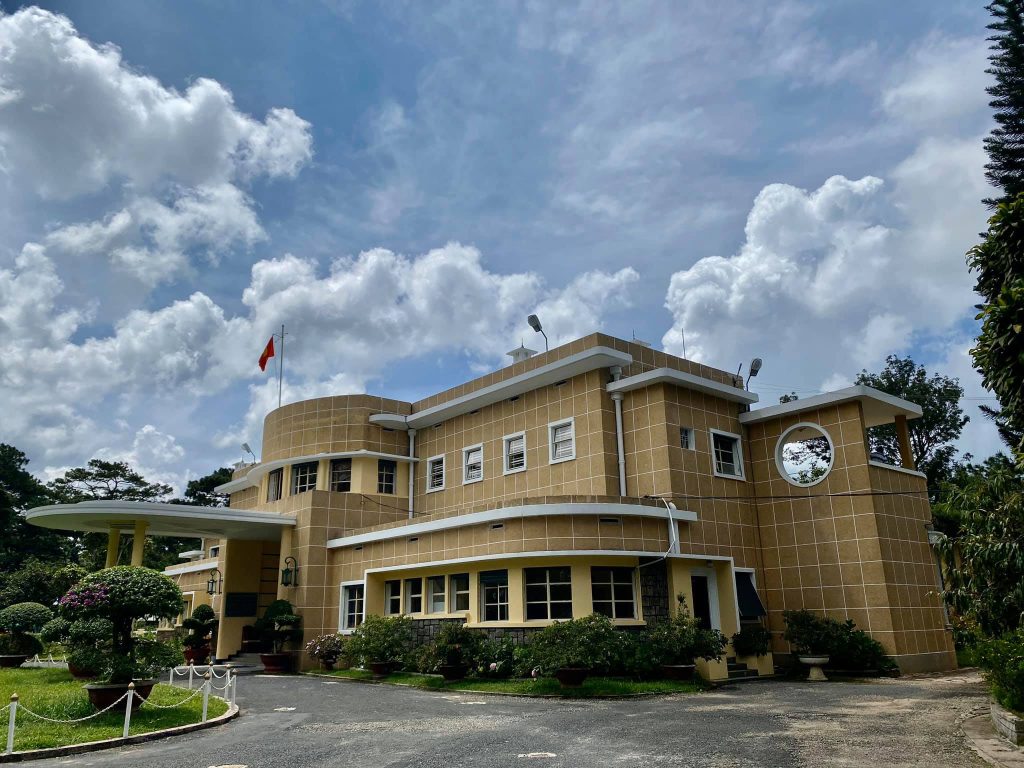
Dalat Travel Guide - Bao Dai’s Summer Palace
Dalat Travel Guide – Bao Dai’s Summer Palace

Step back in time at the former retreat of Vietnam’s last emperor, Bao Dai. The French-style villa offers a glimpse into royal life with preserved interiors and historical artifacts.

5. Wander Da Lat Railway Station

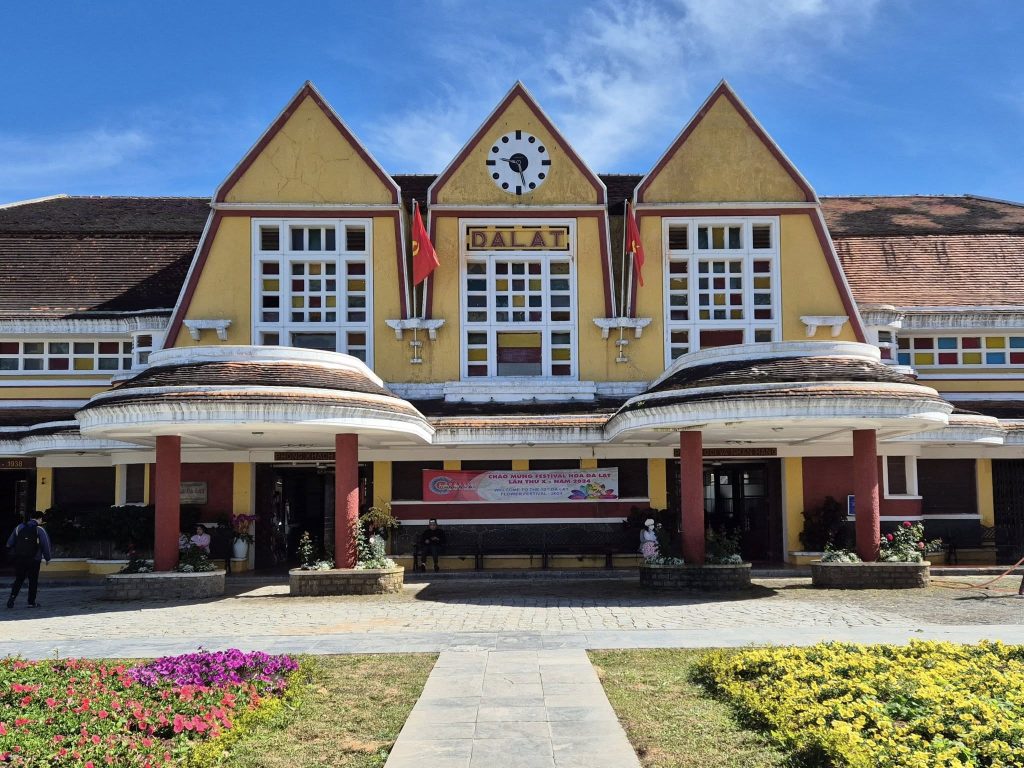
Da Lat Railways Station

Built in the 1930s, Da Lat Railway Station is a colonial gem featuring French architecture and an old steam locomotive. It’s also the departure point for the short heritage train ride to Trai Mat village and Linh Phuoc Pagoda.

6. Visit Linh Phuoc Pagoda

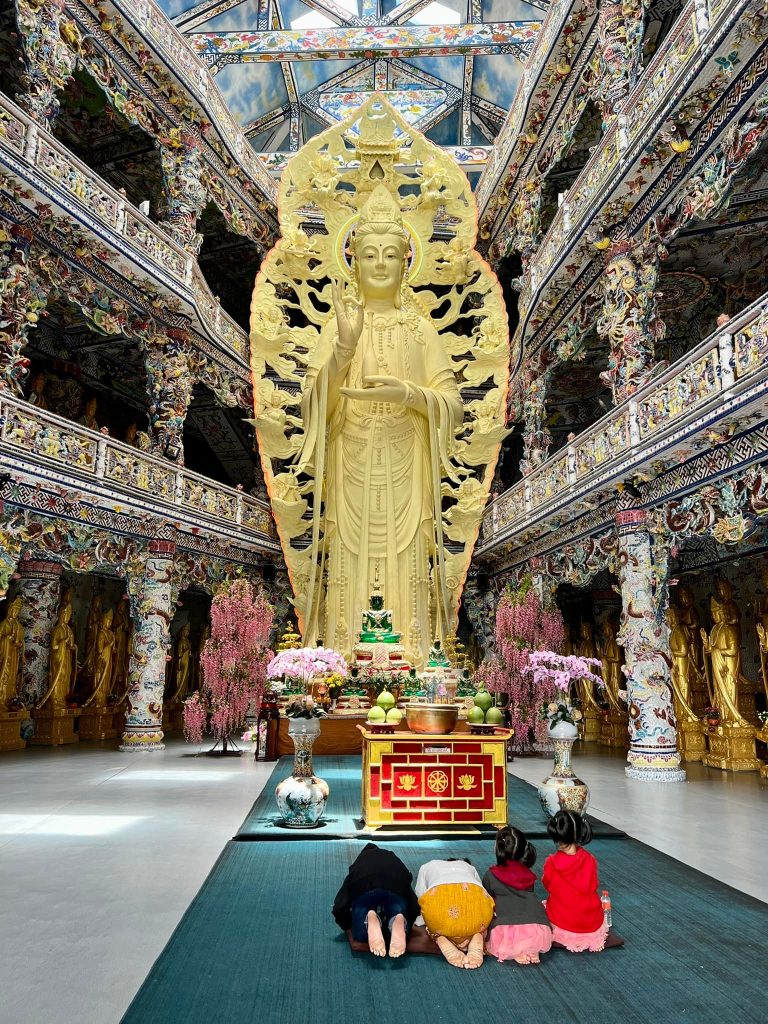
Da Lat Vietnam Travel Guide - Ling Phuoc Pagoda (Cindy Cutler)
Da Lat Vietnam Travel Guide – Ling Phuoc Pagoda (Cindy Cutler)

Known as the “Dragon Pagoda,” Linh Phuoc Pagoda is famous for its stunning mosaics made from broken ceramics and its giant dragon statue. The temple is both spiritual and artistic, making it a must-see.

7. Embrace Romance at the Valley of Love

Da Lat Vietnam Travel Guide - The Valley of Love
Da Lat Vietnam Travel Guide – The Valley of Love

One of Da Lat’s most iconic attractions, the Valley of Love offers flower gardens, swan boats, and scenic viewpoints. It’s particularly popular with couples and honeymooners.

8. Experience the C.razy House

Da Lat Vietnam Travel Guide - Crazy House (Hằng Nga Guesthouse)
Da Lat Vietnam Travel Guide – Crazy House (Hằng Nga Guesthouse)

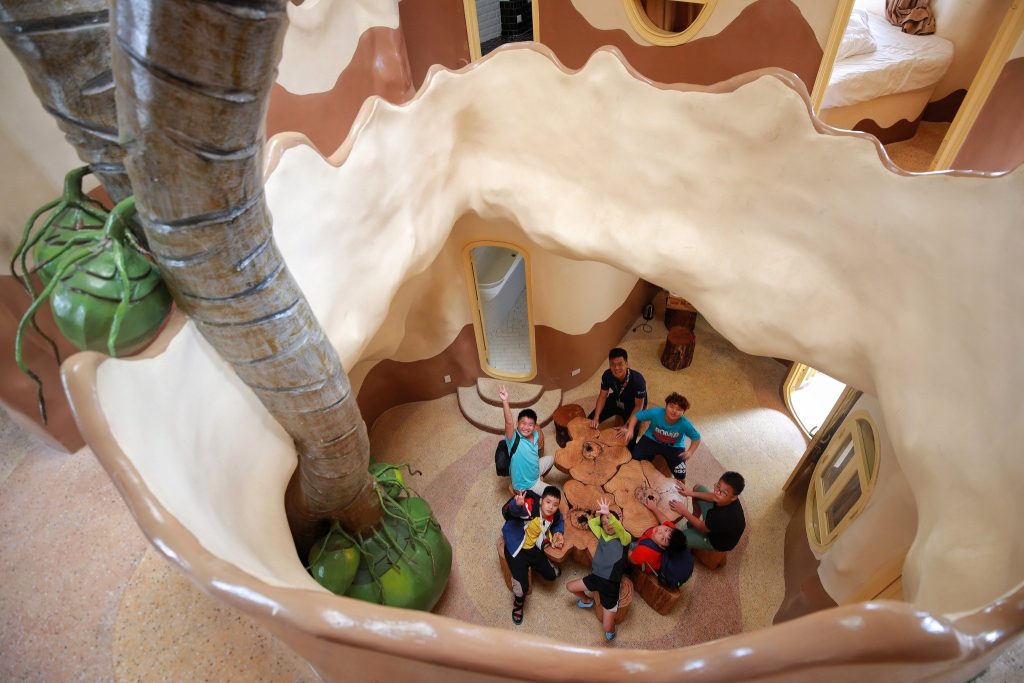
A quirky architectural masterpiece, the C.razy House (Hằng Nga Guesthouse) is both a hotel and an attraction. Its surreal, dreamlike design makes visitors feel like they’ve stepped into a fairy tale.

9. Explore Da Lat Night Market

Street food at Da Lat Night Market (Glory Mae Panase)

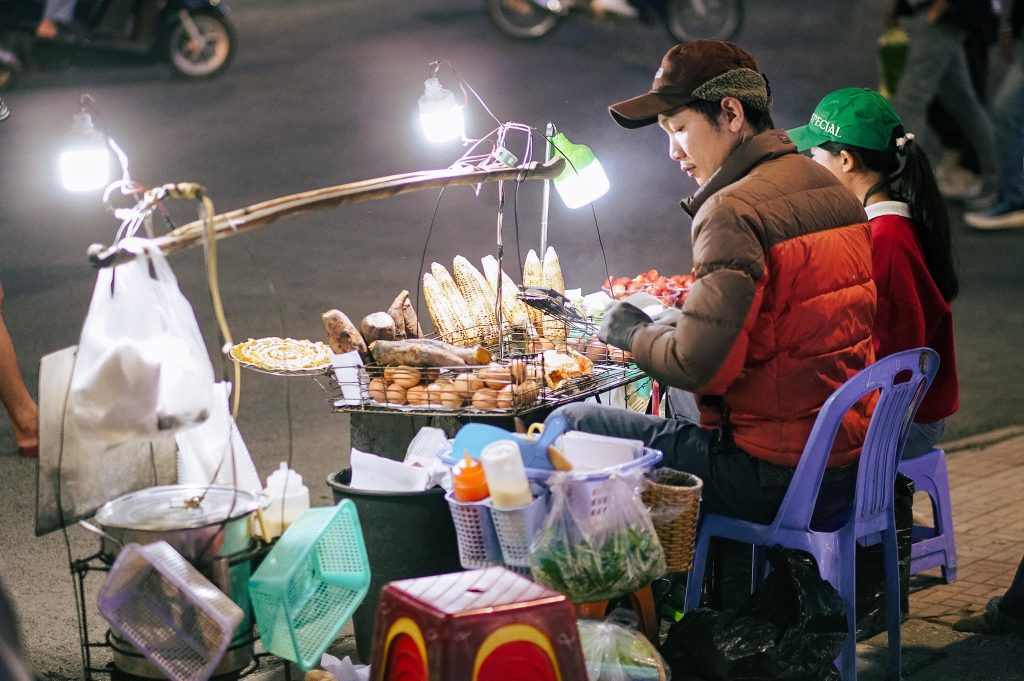
No Da Lat travel guide would be complete without mentioning the Da Lat Night Market. Here, visitors can taste local street food, shop for fresh produce, buy souvenirs, and enjoy the lively evening atmosphere. Must-try dishes include grilled rice paper (Vietnamese pizza), hot soy milk, and sweet potato snacks.

10. Visit Flower Gardens and Farms

Da Lat Vietnam Travel Guide - Van Thanh Flower Village
Da Lat Vietnam Travel Guide – Van Thanh Flower Village

Da Lat is Vietnam’s “Flower Capital.” Don’t miss:

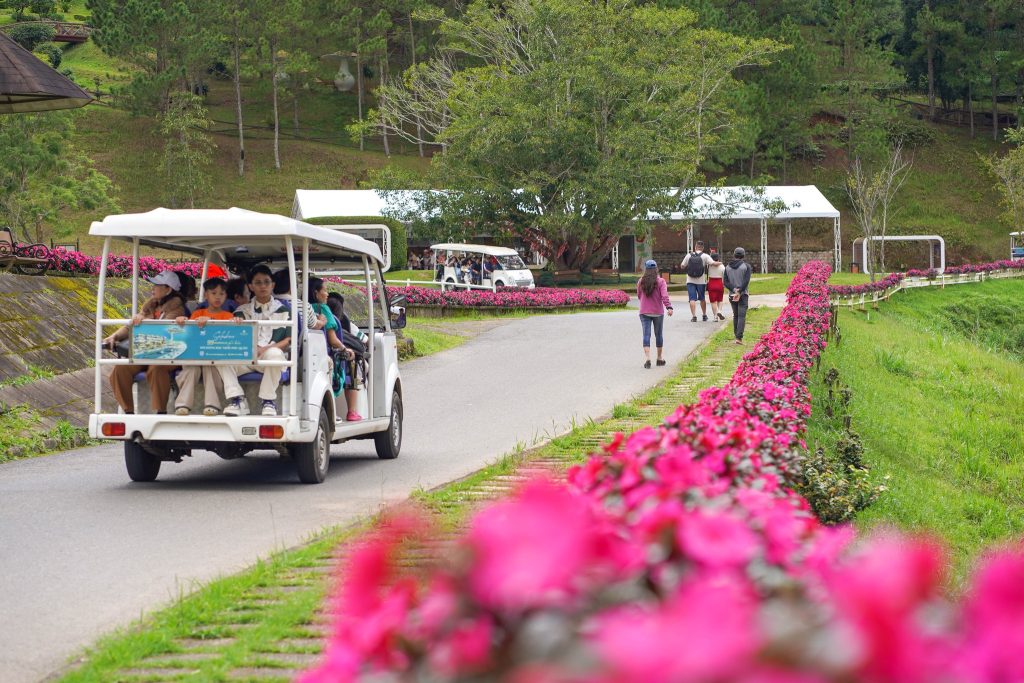
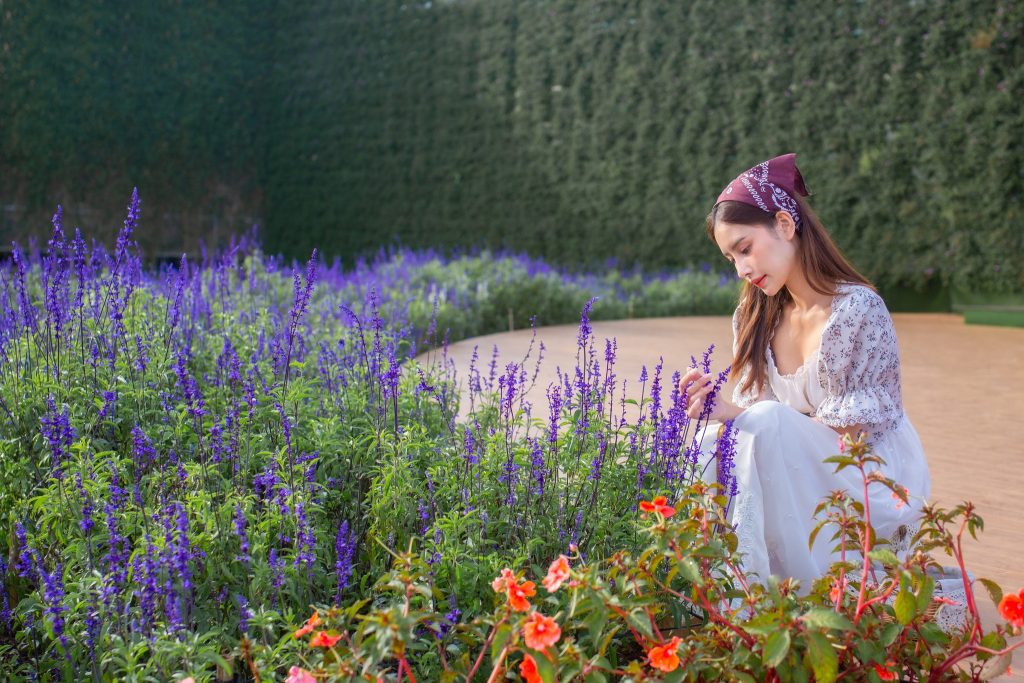
  • Da Lat Flower Garden with thousands of colorful blooms.
  • Hydrangea fields for stunning photos.
  • Strawberry farms where you can pick your own fruit.
  • Coffee and tea plantations offering tastings and tours.

>> Visit our list of Vietnam private tours for more inspiration and travel ideas.

Food and Drink in Da Lat

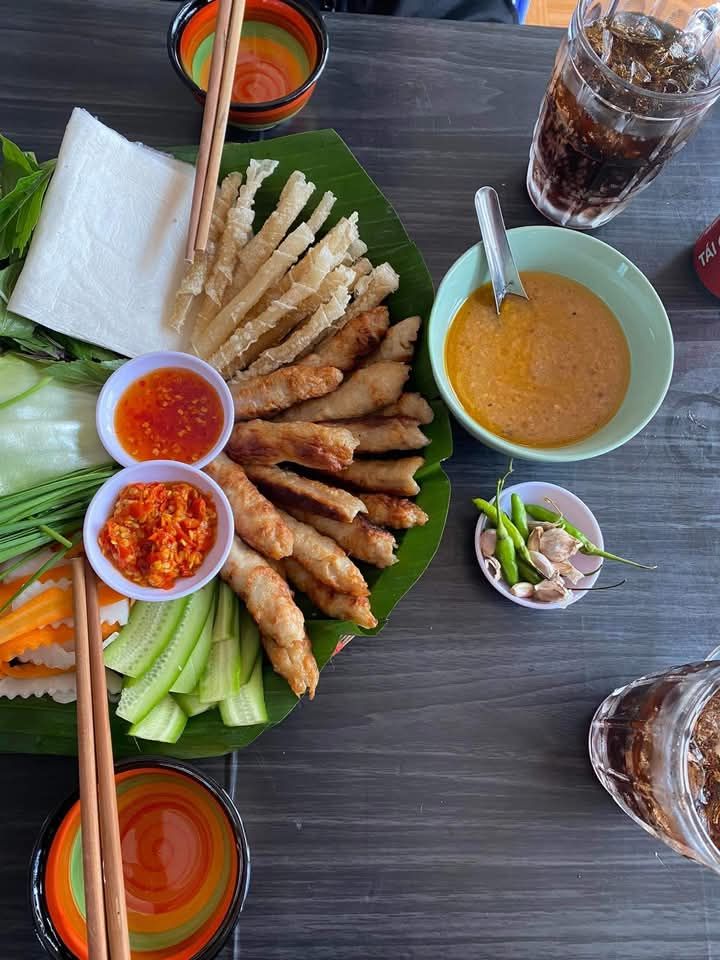
Nem nướng Da Lat – Grilled pork skewers with rice paper and fresh vegetables.

Food is an essential part of any Da Lat travel guide. The city’s cool climate influences its cuisine, making it unique in Vietnam:

  • Bánh căn – Mini rice pancakes served with dipping sauce.
  • Bánh ướt lòng gà – Steamed rice rolls with chicken and herbs.
  • Nem nướng – Grilled pork skewers with rice paper and fresh vegetables.
  • Artichoke tea – A healthy specialty drink of Da Lat.
  • Da Lat wine – Locally produced red and white wines, perfect to try during dinner.

Fresh produce such as strawberries, avocados, and persimmons are also specialties that travelers love to bring home.

Where to Stay in Da Lat

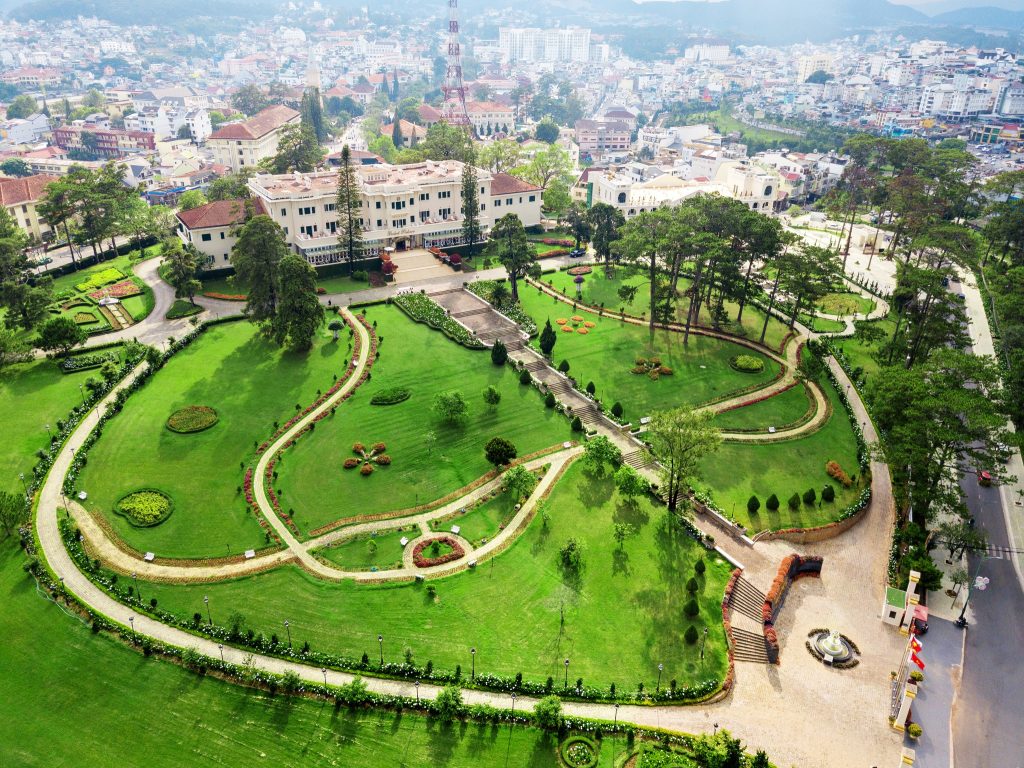
Dalat Palace Heritage Hotel

Accommodation in Da Lat ranges from luxury resorts to cozy homestays:

  • Luxury Resorts:
    • Ana Mandara Villas Dalat Resort & Spa – A colonial-style retreat surrounded by gardens.
    • Dalat Palace Heritage Hotel – Iconic French colonial charm with lake views.
  • Boutique Hotels:
    • Terracotta Hotel & Resort Dalat – Modern comfort by Tuyen Lam Lake.
    • Hôtel Colline – Stylish stay in the city center near the night market.
  • Budget & Homestays:
    • Countless family-run guesthouses and homestays offer warm hospitality.
    • Backpacker-friendly hostels provide affordable dorms with a social vibe.

Suggested Itineraries for Da Lat

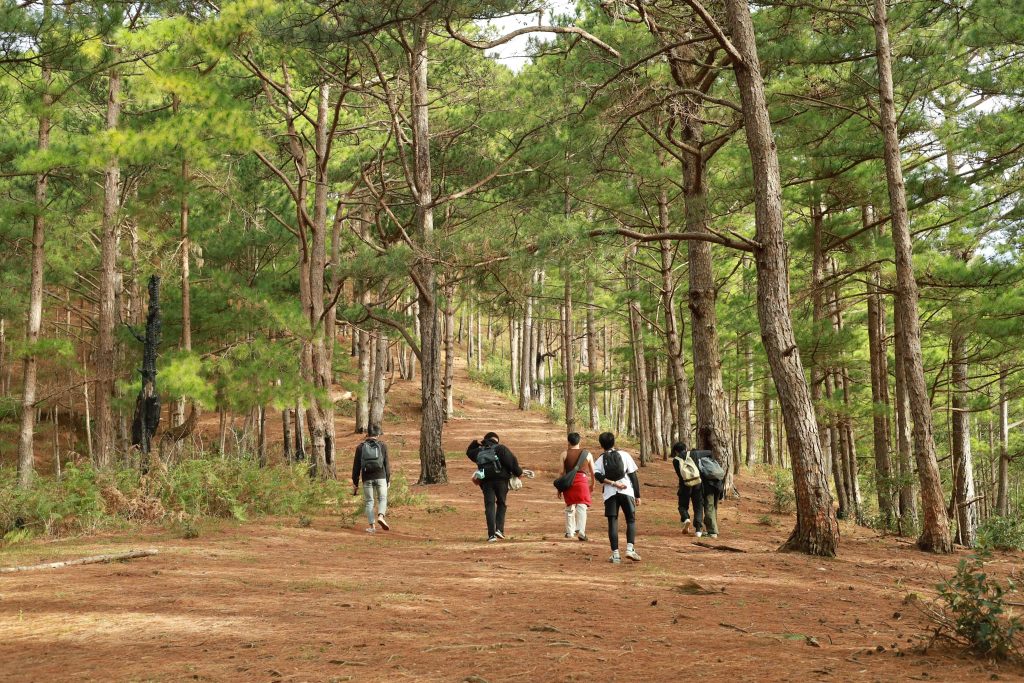
Trekking in Langbiang Mountain (Duc Hieu)

When planning a trip to Da Lat, the length of your stay will shape the experiences you can enjoy. The city offers a wide range of attractions, from cultural landmarks to natural wonders, making it suitable for both short getaways and extended vacations.

2 Days in Da Lat
For travelers with limited time, a two-day itinerary is perfect to capture the essence of the city. On the first day, explore Da Lat’s urban highlights: visit Bao Dai’s Summer Palace to learn about Vietnam’s last emperor, wander through the whimsical C.razy House, admire the vibrant blooms at the Da Lat Flower Garden, and finish the evening with local delicacies at the bustling Night Market. On the second day, escape the city and head to Langbiang Mountain for panoramic views, before unwinding with a peaceful afternoon at Tuyen Lam Lake.

3–4 Days in Da Lat
With an extra day or two, you can venture beyond the city. Take day trips to majestic waterfalls such as Pongour and Elephant Waterfall, explore the intricate architecture of Linh Phuoc Pagoda, and pick fresh strawberries at local farms. In the evening, immerse yourself in culture at the XQ Historical Village, dedicated to Vietnam’s exquisite embroidery art.

5+ Days in Da Lat
For a longer holiday, combine city sightseeing with eco-adventures. Camp by Tuyen Lam Lake, trek through Bidoup Nui Ba National Park, or cycle across rolling tea plantations. To enrich your journey, extend your trip to nearby destinations like the beaches of Nha Trang, the sand dunes of Mui Ne, or other highland towns.

>> If you plan to include Da Lat in your journey, consider using our tailor-made Vietnam tour tool to design the perfect itinerary.

Travel Tips for Da Lat

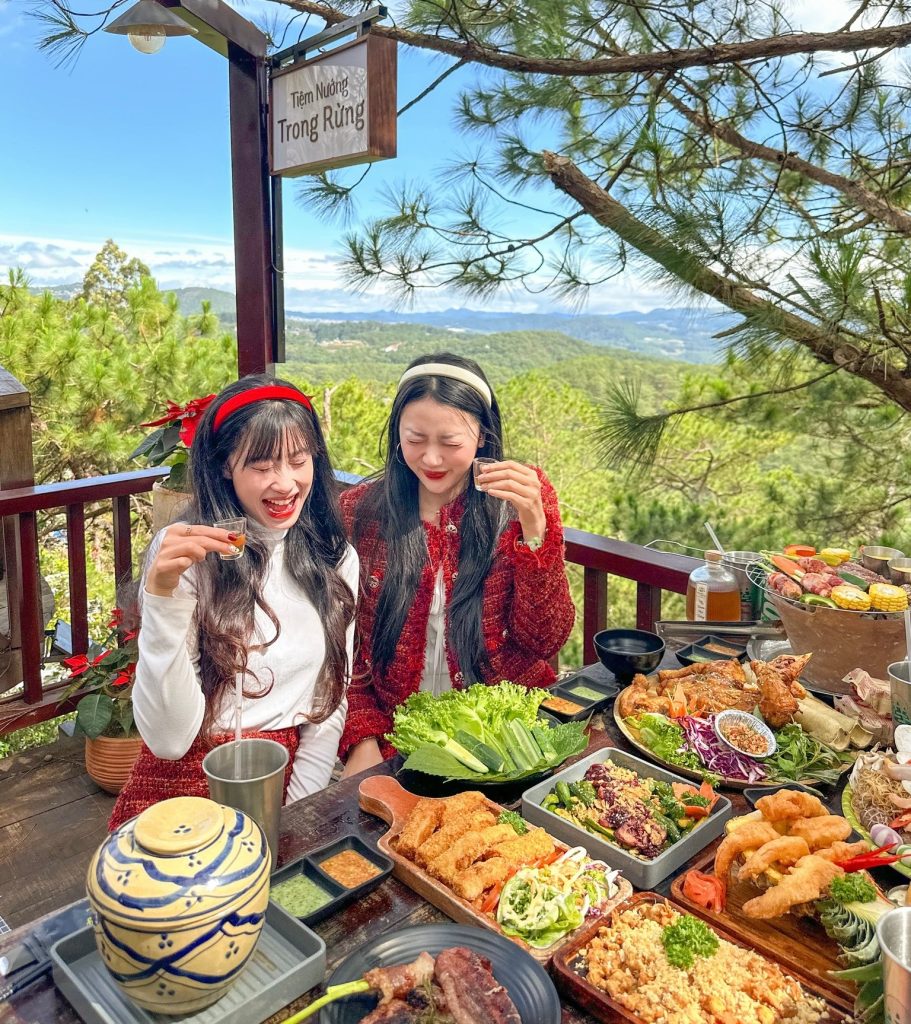
Da Lat Vietnam Travel Guide - Tiem Nuong Trong Rung
Da Lat Vietnam Travel Guide – Tiem Nuong Trong Rung
  • Clothing: Bring layers. Evenings and early mornings can be chilly, with temperatures dropping to 10–15°C.
  • Transport: Motorbike rental is the most flexible way to explore. Taxis and Grab are available in the city.
  • Entrance Fees: Most attractions charge a small fee (10,000–50,000 VND). Keep small bills handy.
  • Shopping: Local produce like coffee, tea, dried fruit, and flowers make great souvenirs.

Conclusion: A Perfect Highland Escape

Da Lat is unlike any other city in Vietnam. With its cool mountain climate, romantic landscapes, colorful flower gardens, and French-era charm, it offers a refreshing change of pace from the country’s tropical beaches and bustling metropolises. This Da Lat travel guide highlights the essentials: location, how to get there, the best time to visit, where to stay, what to eat, and the top things to do in Da Lat Vietnam. Whether you come for a short weekend escape or a longer adventure, Da Lat promises unforgettable experiences and a touch of magic that keeps travelers returning again and again.

Plan your trip with this complete Pakse Laos travel guide. Discover how to get there, best time to visit, Wat Phou, Bolaven Plateau, and 4,000 Islands.

Nestled along the banks of the Mekong River in southern Laos, Pakse is the perfect starting point for exploring the country’s lush coffee highlands, ancient Khmer temples, and the serene 4,000 Islands. Once a sleepy provincial town, today it serves as the commercial and cultural hub of Champasak Province. Travelers are often drawn to Pakse not only for its convenient location but also for its laid-back charm, riverside views, and access to some of the most spectacular landscapes in Laos. This Pakse Laos travel guide will provide you with all the essential information—covering location, how to get there, the best time to visit, what to see, and local travel tips—so you can plan an unforgettable trip.

Where is Pakse?

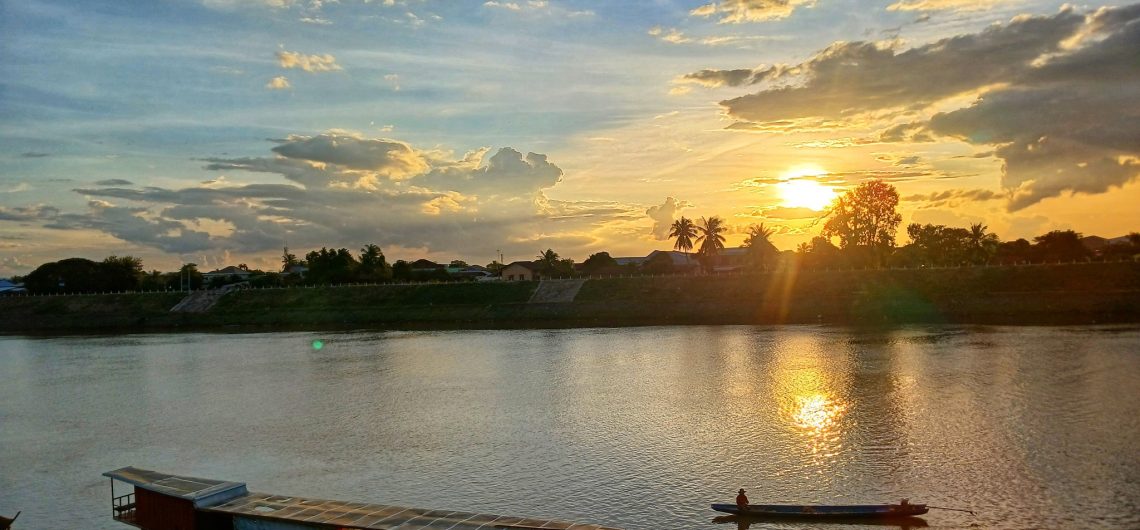
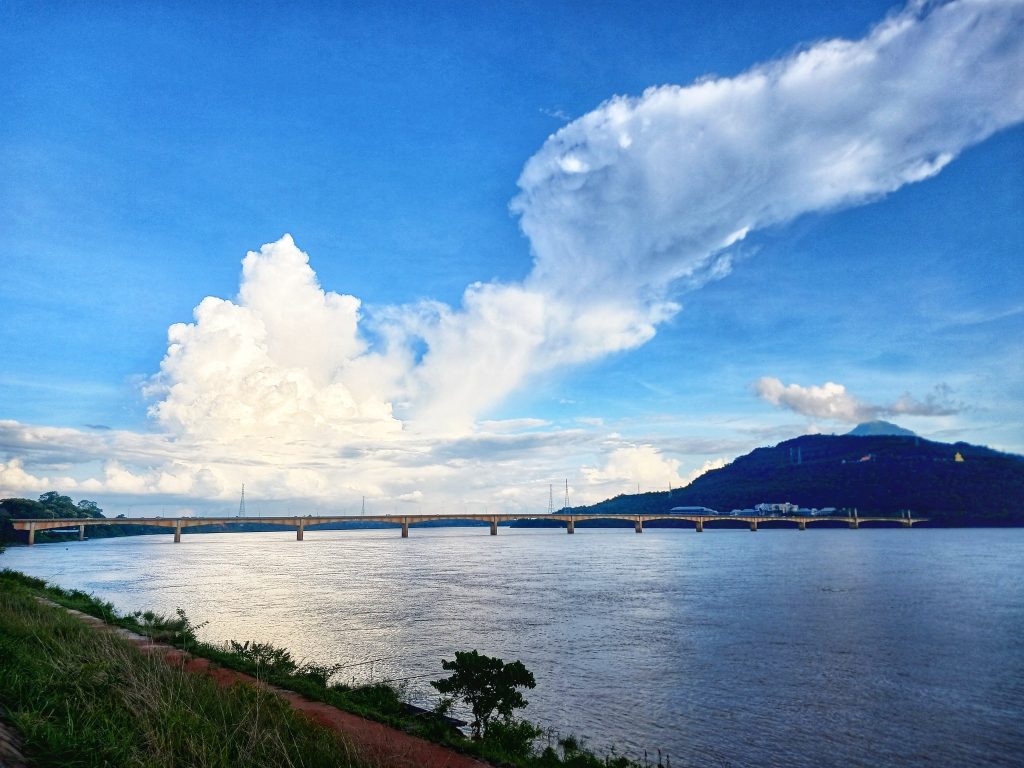
Pakse Laos Travel Guide - On the Mekong river bank (Visit Laos)
Pakse Laos Travel Guide – On the Mekong river bank (Visit Laos)

Pakse is located in Champasak Province, in the far south of Laos, at the confluence of the Mekong and Xe Don rivers. It is about 670 km south of Vientiane, the capital, and close to the borders of both Thailand and Cambodia. Because of its central location, Pakse is the perfect hub for visiting the Bolaven Plateau, the UNESCO-listed Wat Phou Champasak, and the 4,000 Islands (Si Phan Don). The town itself is small enough to explore on foot, but large enough to have all the conveniences travelers need—markets, banks, restaurants, and a wide range of accommodations.

How to Get to Pakse

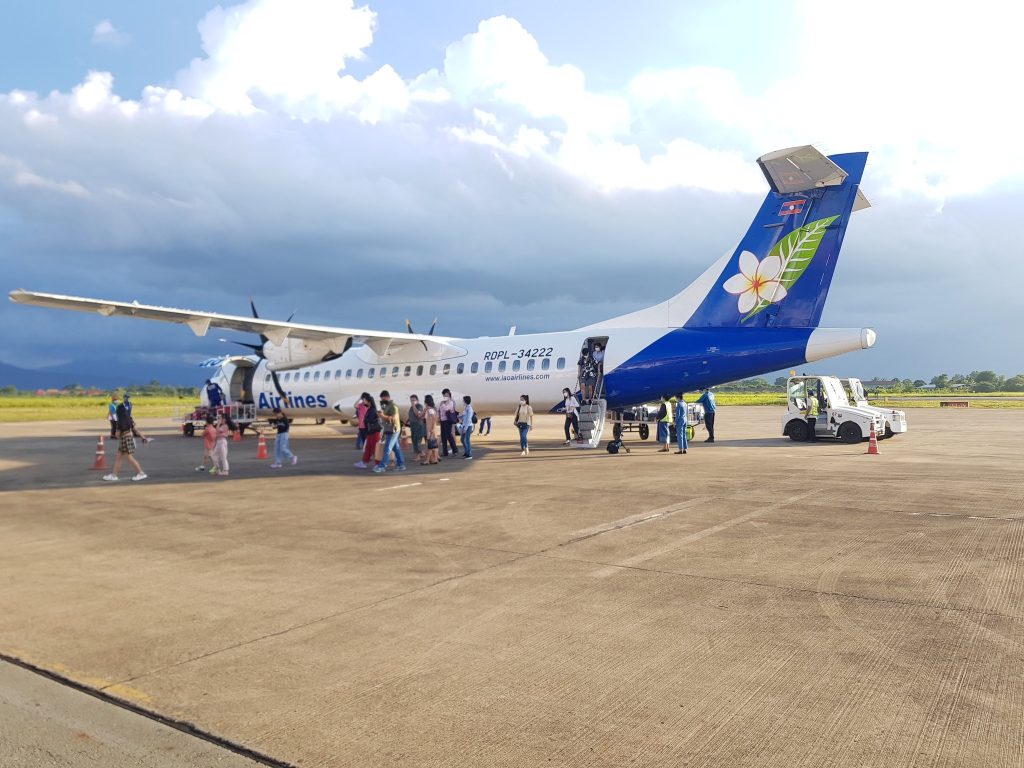
Pakse Laos Travel Guide - Landing at Pakse Airport (Souchitra Riverside)
Pakse Laos Travel Guide – Landing at Pakse Airport (Souchitra Riverside)

By Air

Pakse International Airport (PKZ) is the main gateway to southern Laos. It has regular flights from Vientiane, Luang Prabang, and Savannakhet, as well as international connections from Bangkok, Siem Reap, and Ho Chi Minh City (subject to seasonal schedules).

By Bus or Minivan

  • From Vientiane: Overnight buses take 10–12 hours.
  • From Savannakhet: Around 5 hours.
  • From Ubon Ratchathani (Thailand): Just 2–3 hours, including border crossing at Chong Mek.
  • From Phnom Penh or Siem Reap (Cambodia): 10–12 hours by bus or private minivan.

By River

While not as common as before, some Mekong cruises stop at Pakse, offering a scenic entry into Laos.

Tip: If you’re traveling overland, check visa requirements at border crossings from Thailand or Cambodia in advance.

Best Time to Visit Pakse

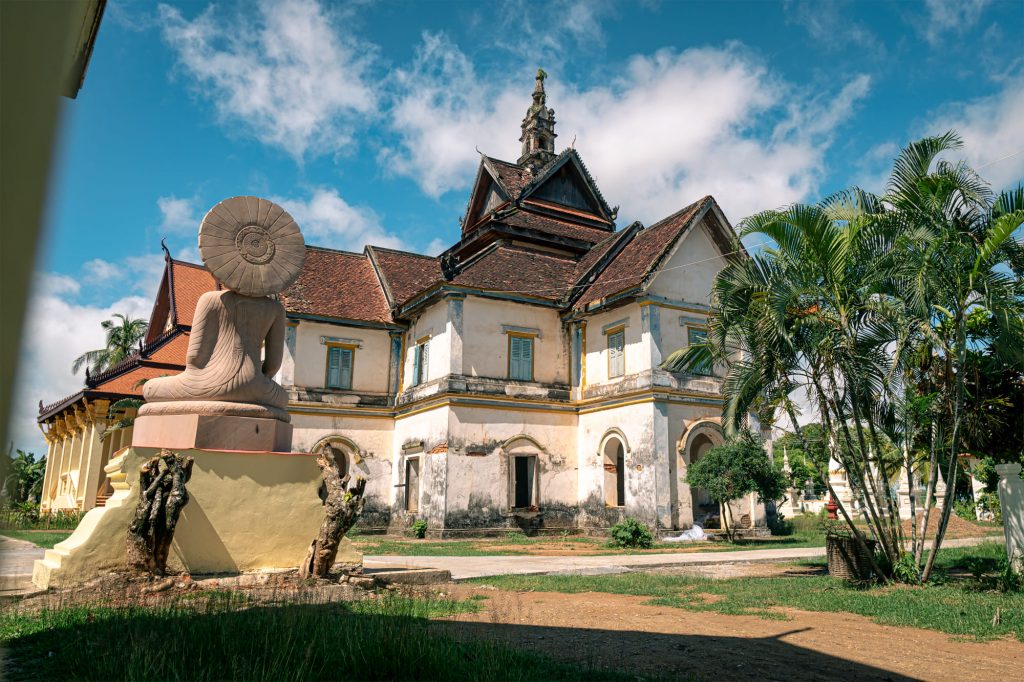
Pakse Laos Travel Guide - The Vat Muang Kang along the Mekong river (Souchitra Riverside)
Pakse Laos Travel Guide – The Vat Muang Kang along the Mekong river (Souchitra Riverside)

The climate in Pakse is tropical, with distinct dry and rainy seasons.

  • Cool Dry Season (November – February): The most popular time, with pleasant weather (18–25°C) and great conditions for sightseeing.
  • Hot Season (March – May): Temperatures can rise above 35°C, but waterfalls on the Bolaven Plateau are still impressive.
  • Rainy Season (June – October): Expect heavy afternoon showers, lush green landscapes, and powerful waterfalls. Roads may be muddy, but this is the best time for photography.

For most travelers, November to February is the ideal time to follow this Pakse Laos travel guide.

Top Things to See and Do in Pakse

  1. Explore Pakse Town
Pakse Laos Travel Guide - In the city center (Visit Laos)
Pakse Laos Travel Guide – In the city center (Visit Laos)
  • Wat Luang: The largest and most important temple in the city, home to monks and a riverside location.
  • French Colonial Buildings: Around town you’ll see remnants of Laos’ French colonial past.
  • Dao Heuang Market: A bustling morning market where you’ll find fresh produce, local crafts, and Lao coffee.
  1. Wat Phou Champasak
Visit to Wat Phou temple in Champasak (Alina Maganda)

Located 45 minutes from Pakse, Wat Phou is a UNESCO World Heritage Site dating back to the Khmer Empire. The temple complex, with its stone stairways, shrines, and dramatic mountain backdrop, is often compared to Angkor Wat but is far less crowded.

  1. Bolaven Plateau
Bolaven Plateau Laos - Waterfalls
Bolaven Plateau Laos – Waterfalls

A highlight of any Pakse Laos travel guide, the Bolaven Plateau is famous for its coffee plantations and waterfalls:

  • Tad Fane Waterfall: A dramatic twin fall plunging 120 meters into a deep gorge.
  • Tad Yuang Waterfall: Easily accessible and perfect for a refreshing swim.
  • Coffee Tours: Visit local farms to sample some of the best Arabica and Robusta coffee in Southeast Asia.
  1. Si Phan Don (4,000 Islands)
Things to do in Laos - Exploring Si Phan Don
Things to do in Laos – Exploring Si Phan Don

About 3–4 hours south of Pakse, this Mekong river archipelago is a dreamy escape. Popular islands include Don Khone and Don Det, known for bamboo bungalows, cycling, and boat rides. Don’t miss the chance to spot the rare Irrawaddy dolphins.

  1. Champasak Town

A charming riverside town near Wat Phou with boutique guesthouses, French-style villas, and cultural heritage sites.

>> Discover private Laos tours available here, offering you the best options for your journey.

Food and Drink in Pakse

Pakse Laos Travel Guide - Enjoy food on the river bank (Souchitra Riverside)
Pakse Laos Travel Guide – Enjoy food on the river bank (Souchitra Riverside)

Pakse offers a mix of Lao, Thai, and international cuisine.

  • Signature Experience: Sampling rich Bolaven Plateau coffee in riverside cafés.
  • Local Dishes: Sticky rice, laap (minced meat salad), grilled fish, and tam mak hoong (papaya salad).
  • Markets: Try the street food at Dao Heuang Market or enjoy noodle soups at local stalls.
  • International Options: French bakeries, Indian restaurants, and Western cafés cater to travelers.

Where to Stay in Pakse

  • Luxury: Champasak Grand Hotel (riverside views, pool, and spa).
  • Boutique: Le Jardin Hotel or Athena Hotel for stylish comfort.
  • Budget: Guesthouses like Sala Champa or Sanga Hostel, popular with backpackers.
  • Eco-Lodges: On the Bolaven Plateau, try Tad Fane Resort or Sinouk Coffee Resort.

Staying along the riverfront offers the best views and easy access to restaurants and attractions.

Suggested Itineraries

Pakse Laos Travel Guide - Adventure by motobike (Nguyen Kim Chi)
Pakse Laos Travel Guide – Adventure by motobike (Nguyen Kim Chi)

If you are short on time, a 1–2 day visit to Pakse is still rewarding. Spend the first day exploring the highlights of the town itself—stroll through Wat Luang, the city’s most important Buddhist temple, and browse the vibrant Dao Heuang Market, where you can sip Bolaven coffee and watch local life unfold. On the second day, take a short trip to the UNESCO World Heritage Site of Wat Phou Champasak, an atmospheric Khmer temple complex dating back over a thousand years.

For those with 3–4 days, extend your journey with a loop to the Bolaven Plateau. This highland region is renowned for its cool climate, cascading waterfalls like Tad Fane and Tad Yuang, and coffee plantations where visitors can learn about cultivation and sample fresh brews. Ethnic minority villages along the way also provide insight into the cultural diversity of southern Laos.

If you have 5 or more days, Pakse becomes the perfect base for exploring further afield. Head south to the 4,000 Islands (Si Phan Don), where the Mekong splits into countless islets. Stay in a riverside bungalow, cycle through quiet villages, and take boat trips to spot the rare Irrawaddy dolphins, making your journey a truly unforgettable Laos experience.

>> If you’re adding Pakse to your journey, consider a custom Laos tour for the best-planned experience.

Travel Tips for Pakse

  • Currency: The Lao Kip (LAK) is the local currency. Thai Baht and USD are often accepted.
  • Transport: Tuk-tuks and motorbike rentals are common for local travel. For longer trips, hire a driver or book a minivan.
  • Safety: Pakse is generally safe. Exercise standard caution with belongings.
  • Culture: Dress modestly when visiting temples. Always remove shoes before entering.
  • Connectivity: Wi-Fi is available in most hotels and cafés.

Conclusion

Pakse may not have the immediate fame of Luang Prabang or Vientiane, but its location in southern Laos makes it an invaluable stop for adventurous travelers. From exploring the majestic Bolaven Plateau waterfalls, wandering through UNESCO-listed Wat Phou, to relaxing in the 4,000 Islands, Pakse offers the perfect combination of culture, history, and natural beauty. Use this Pakse Laos travel guide to plan your trip, and you’ll discover why this riverside town deserves a spot on every traveler’s Laos itinerary.

Discover the ultimate Mui Ne Beach travel guide: best time to visit, top things to do, how to get there, where to stay, and local food highlights.

If you’re dreaming of golden beaches, year-round sunshine, vibrant fishing villages, and exciting water sports, then Mui Ne is the place to be. Located along Vietnam’s south-central coast in Bình Thuận Province, about 200 km from Ho Chi Minh City, Mui Ne has transformed from a sleepy fishing town into one of Vietnam’s most famous beach destinations. This Mui Ne Beach travel guide will help you plan your perfect trip—covering when to go, what to see, where to stay, and how to make the most of your journey.

Location & How to Get to Mui Ne

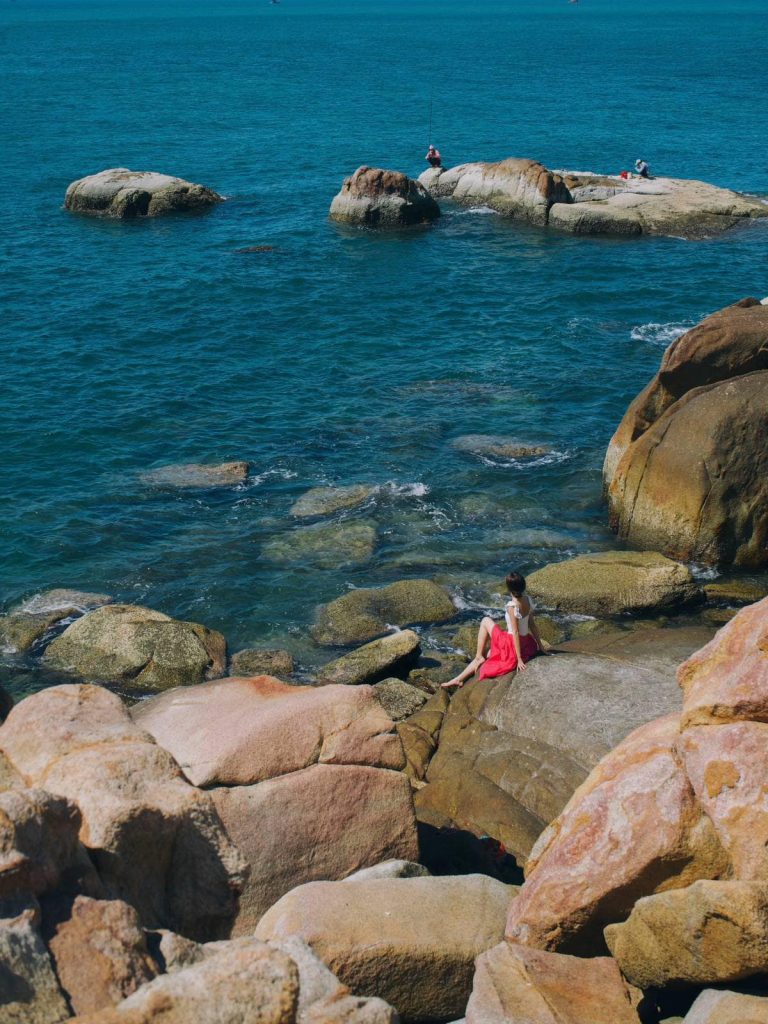
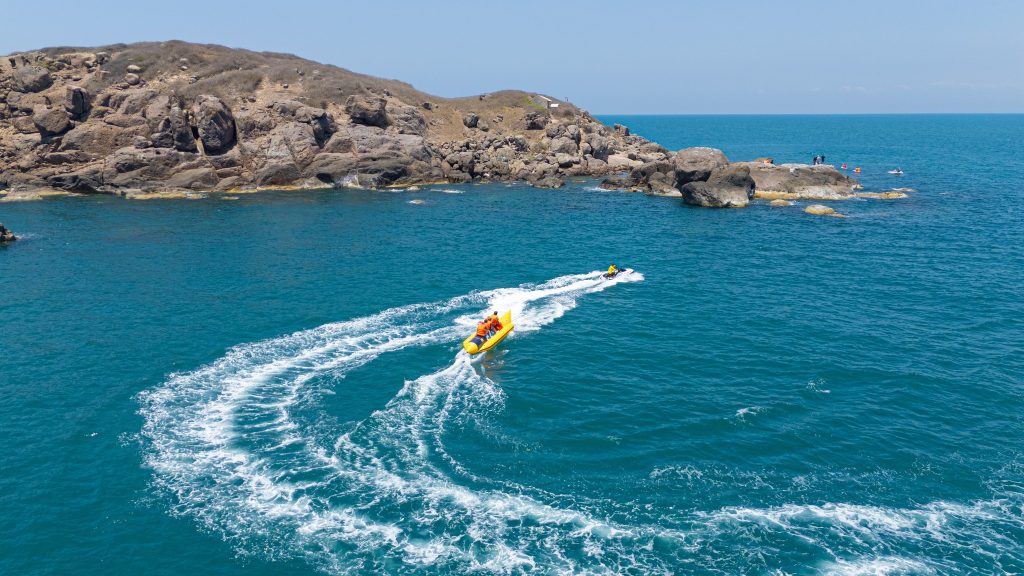
Mui Ne Beach Travel Guide - Rocks and Sea
Mui Ne Beach Travel Guide – Rocks and Sea

Mui Ne is part of Phan Thiết City, renowned for its long coastline, colorful boats, and Cham cultural relics. It’s well connected to major cities in southern Vietnam.

  • By Bus or Private Car: The most convenient way from Ho Chi Minh City is by express bus or private transfer. The journey takes around 4–5 hours.
  • By Train: Trains run from Ho Chi Minh City to Phan Thiết station, followed by a 30–40 minute taxi ride to Mui Ne.
  • By Flight: While Mui Ne does not yet have its own airport, travelers can fly into Cam Ranh (Nha Trang) or Lien Khuong (Da Lat), then transfer by car to Mui Ne.

Tip: Many resorts offer shuttle services, so check in advance with your hotel.

Best Time to Visit Mui Ne

Mui Ne Beach Travel Guide - Water Sports
Mui Ne Beach Travel Guide – Water Sports

One of Mui Ne’s biggest advantages is its microclimate. Unlike other parts of southern Vietnam, Mui Ne receives less rainfall, making it a year-round beach destination. Still, there are differences worth noting:

  • Dry Season (November – April): This is the peak travel period with plenty of sunshine, low humidity, and calm seas. It’s also the best time for kitesurfing and windsurfing.
  • Rainy Season (May – October): Short bursts of tropical rain occur, but sunny intervals are common. Landscapes turn lush and green, and there are fewer tourists, making it ideal for budget travelers.

For water sports, December to March offers the best wind conditions.

Top Things to Do in Mui Ne

1. Relax on Mui Ne Beach

The main beach stretches for kilometers, offering golden sand and calm turquoise waters. You’ll find beach clubs, cafes, and resorts where you can lounge, swim, or simply enjoy the tropical vibe. For a quieter atmosphere, head toward the east end of the strip.

2. Experience Kitesurfing & Windsurfing

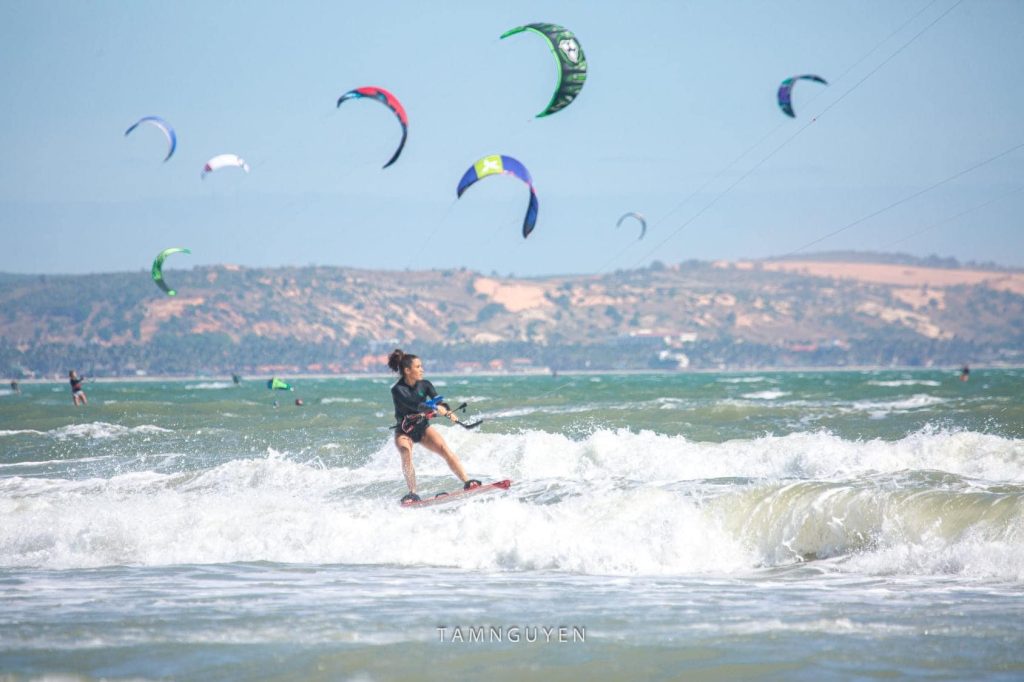
Mui Ne Beach Travel Guide - Kitesurfing (Tam Nguyen)
Mui Ne Beach Travel Guide – Kitesurfing (Tam Nguyen)

Mui Ne is recognized as Vietnam’s kitesurfing capital, attracting enthusiasts from around the world. With strong winds and warm waters, beginners and professionals alike can enjoy the thrill. There are plenty of surf schools offering lessons and equipment rentals.

3. Explore the White Sand Dunes (Bau Trang)

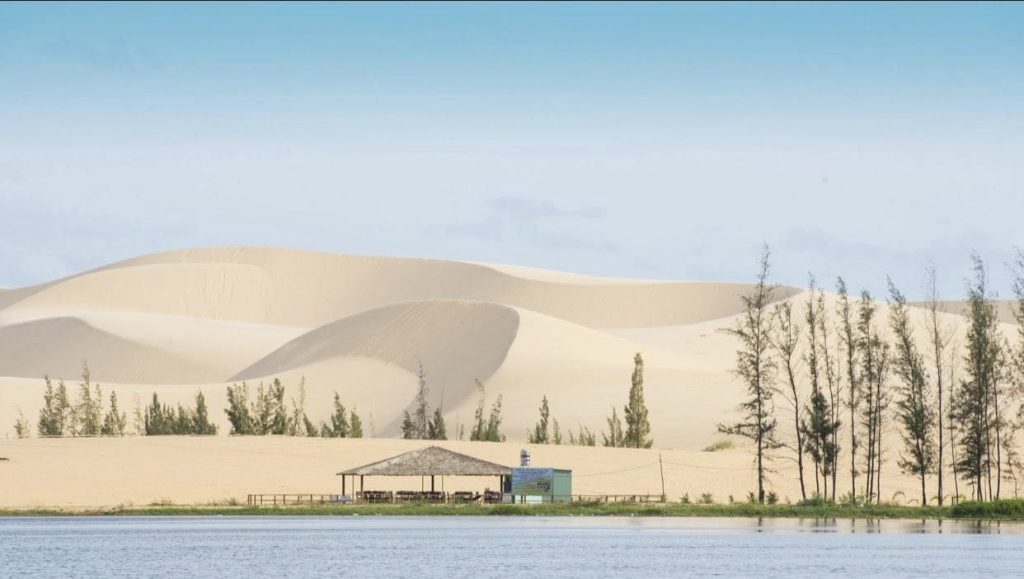
Mui Ne Beach Travel Guide - White Sand Dunes
Mui Ne Beach Travel Guide – White Sand Dunes

A highlight of this Mui Ne Beach travel guide is the surreal White Sand Dunes, located about 30 km from town. The desert-like landscape is perfect for sunrise photography. Adventurers can try jeep tours, quad biking, or sand sledding.

4. Visit the Red Sand Dunes

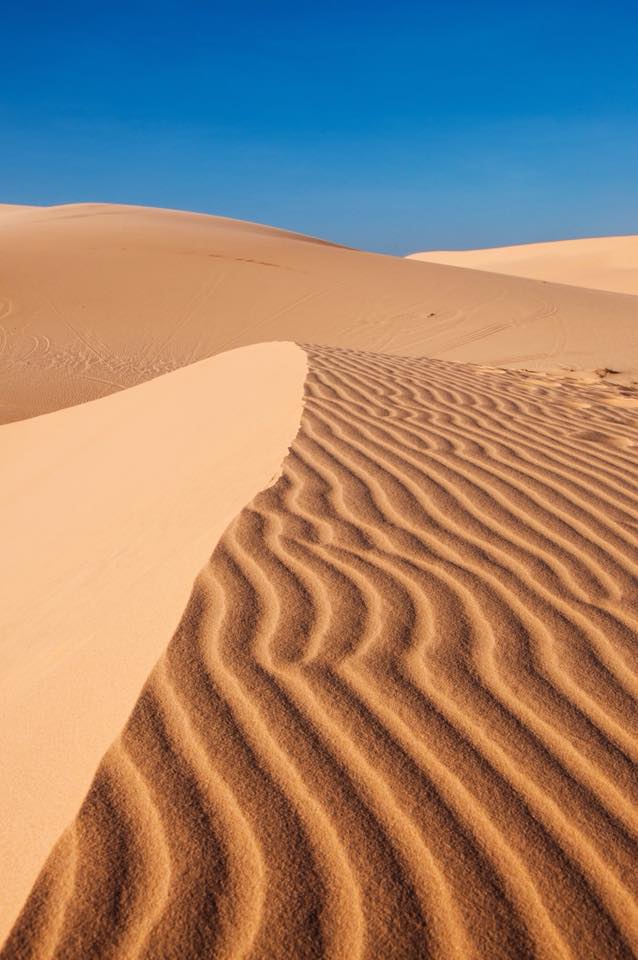
Mui Ne Beach Travel Guide - Red Sand Dunes
Mui Ne Beach Travel Guide – Red Sand Dunes

Closer to the town center, the Red Sand Dunes are famous for their fiery colors at sunset. Kids often rent plastic sleds for sand sliding, while photographers love the golden-red glow that sweeps across the horizon.

5. Wander Along Fairy Stream (Suối Tiên)

Mui Ne Beach Travel Guide - Fairy Stream (Suoi Tien)
Mui Ne Beach Travel Guide – Fairy Stream (Suoi Tien)

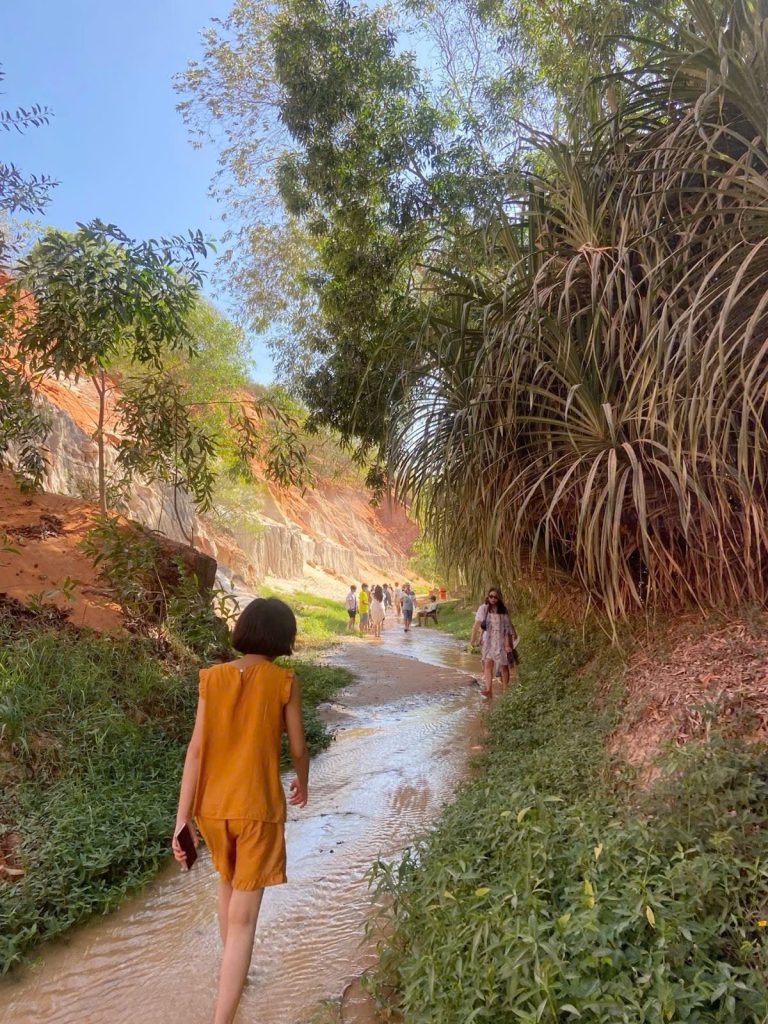
A shallow stream that runs through limestone cliffs and colorful rock formations, Fairy Stream is a peaceful walk surrounded by natural beauty. The soft red and white sand makes it feel like a fantasy world—hence its name.

6. Discover the Fishing Village

Mui Ne Beach Travel Guide - Fishing Boats and Sea
Mui Ne Beach Travel Guide – Fishing Boats and Sea

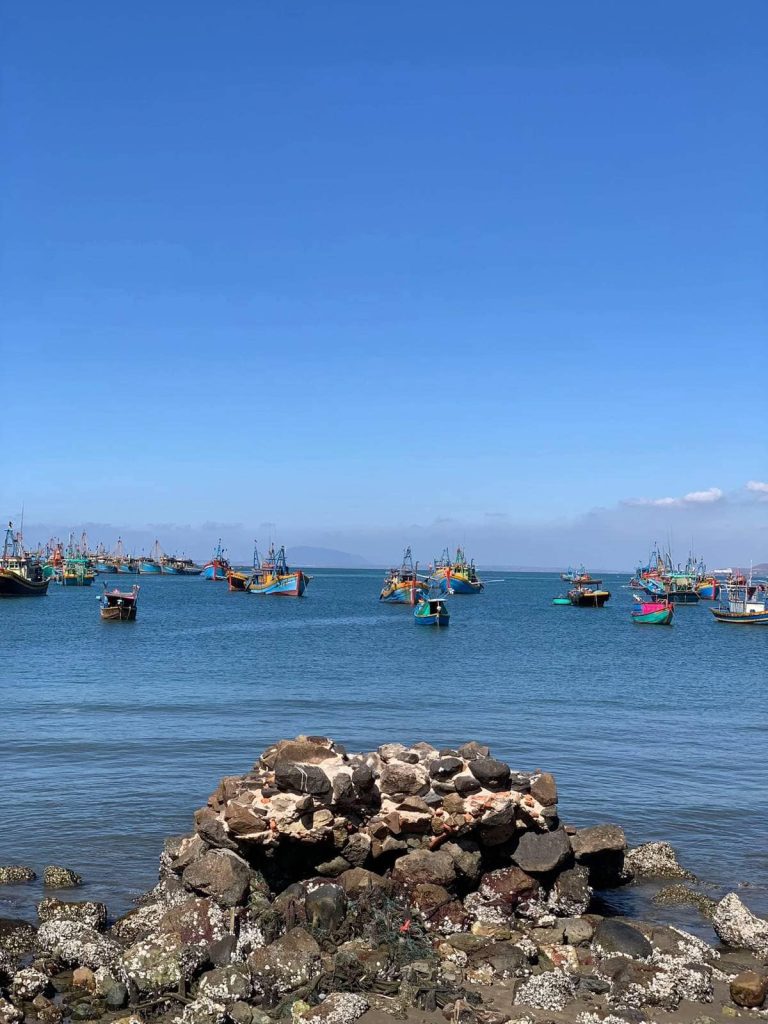
North of Mui Ne lies a bustling fishing harbor with hundreds of colorful boats anchored in the bay. Early morning is the best time to witness fishermen bringing in their catch. It’s also an excellent place to taste fresh seafood at local markets.

7. Admire the Po Shanu Cham Towers

Mui Ne Beach Travel Guide - Po Shanu Cham Towers (Arthistory Saliha Unal)
Mui Ne Beach Travel Guide – Po Shanu Cham Towers (Arthistory Saliha Unal)

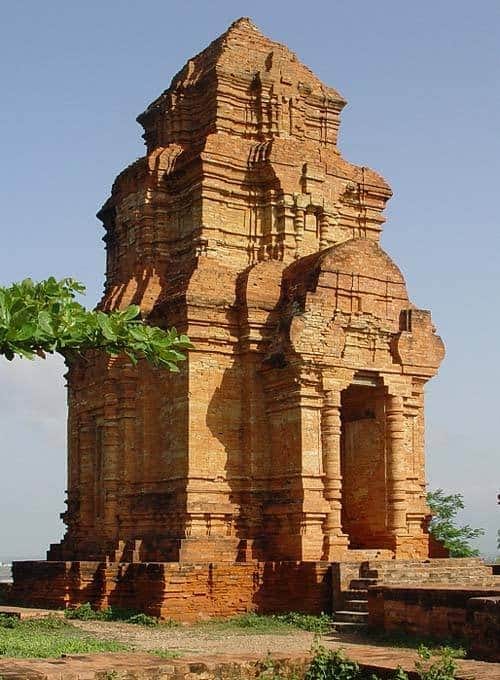
For history lovers, the Cham heritage is alive in the Po Shanu Towers, remnants of the ancient Cham kingdom. Built in the 8th century, these towers sit on a hill with panoramic views of Phan Thiết.

8. Relax at Hot Springs & Mud Baths

After a day of adventure, unwind at one of Mui Ne’s hot springs or enjoy a therapeutic mud bath. These are said to improve skin health and provide relaxation after hours under the sun.

Food & Dining in Mui Ne

No Mui Ne Beach travel guide would be complete without mentioning its vibrant food scene.

  • Seafood Paradise: Expect everything from grilled squid and crab to scallop hotpots. Mui Ne is particularly known for its fresh fish dishes.
  • Local Specialties: Try bánh canh chả cá (fish cake noodle soup), bánh xèo (crispy pancakes with shrimp and pork), and lẩu thả (a unique hotpot with vegetables, fish, and herbs).
  • Night Market: Mui Ne Night Market and Phan Thiết’s Central Market are perfect for trying street food and buying souvenirs.

Where to Stay in Mui Ne

Mui Ne Beach Travel Guide - Anantara Mui Ne Resort Rooms
Mui Ne Beach Travel Guide – Anantara Mui Ne Resort Rooms

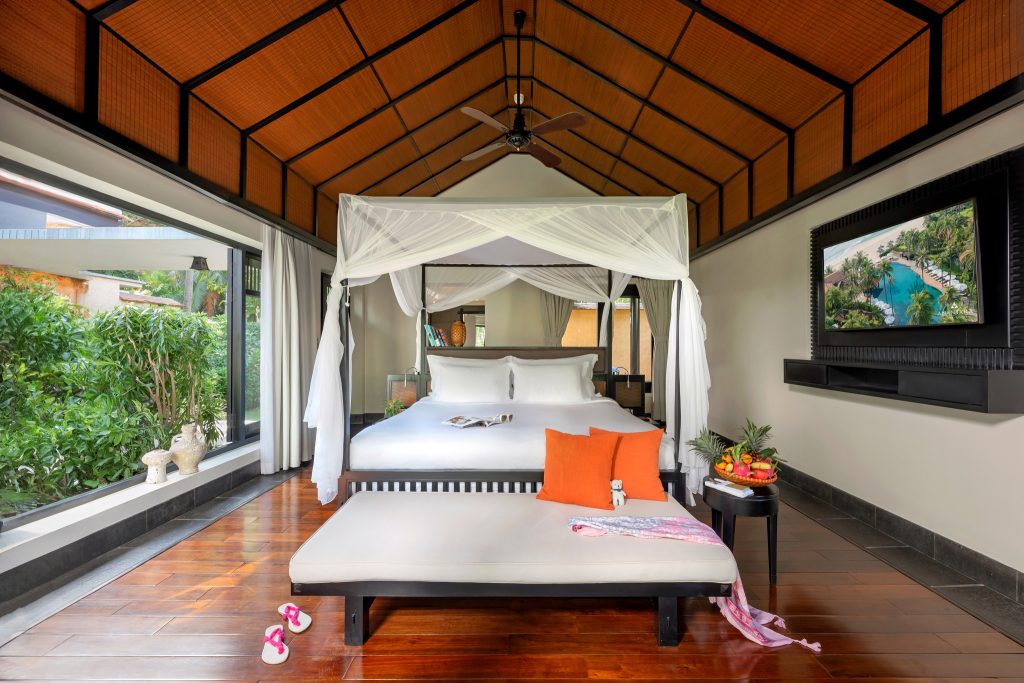
Mui Ne offers a wide range of accommodations to suit every traveler’s budget and style. For those seeking indulgence, luxury resorts such as Anantara Mui Ne Resort and The Cliff Resort & Residences provide beachfront settings, infinity pools, and world-class spa services, perfect for a relaxing escape. If you prefer boutique charm, Villa Aria Muine and Sailing Club Resort Mui Ne stand out with stylish architecture, personalized service, and cozy atmospheres ideal for couples or families.

Mid-range travelers can consider Unique Mui Ne Resort & Spa or Bamboo Village Beach Resort & Spa, both praised for their great locations, lush gardens, and excellent value.

For budget-conscious visitors, guesthouses and hostels like Mui Ne Hills Backpackers or Eva Hut Mui Ne Beach Hostel offer simple yet comfortable stays close to the sea, making them a favorite among backpackers.

Wherever you stay, choosing accommodation along the main Mui Ne strip ensures easy access to restaurants, beach bars, and activities, from kitesurfing schools to lively night markets. Whether it’s luxury, boutique comfort, or budget-friendly charm, Mui Ne guarantees a welcoming place to rest after a day of adventures.

Day Trips from Mui Ne

Mui Ne Beach Travel Guide - Ke Ga Lighthouse (Chloe Chang)
Mui Ne Beach Travel Guide – Ke Ga Lighthouse (Chloe Chang)

If you have more time to spare, Mui Ne is the perfect base for exploring nearby attractions that reveal the cultural and natural charm of Bình Thuận Province. Just a short drive away lies Phan Thiết City, known for its bustling local markets, ancient temples, and traditional fish sauce factories—an essential part of Vietnam’s culinary heritage.

For nature lovers, a day trip to Ta Cu Mountain offers a rewarding experience. You can hike or take a cable car through lush forests to reach the mountaintop, home to Vietnam’s largest reclining Buddha statue, surrounded by serene views of the countryside.

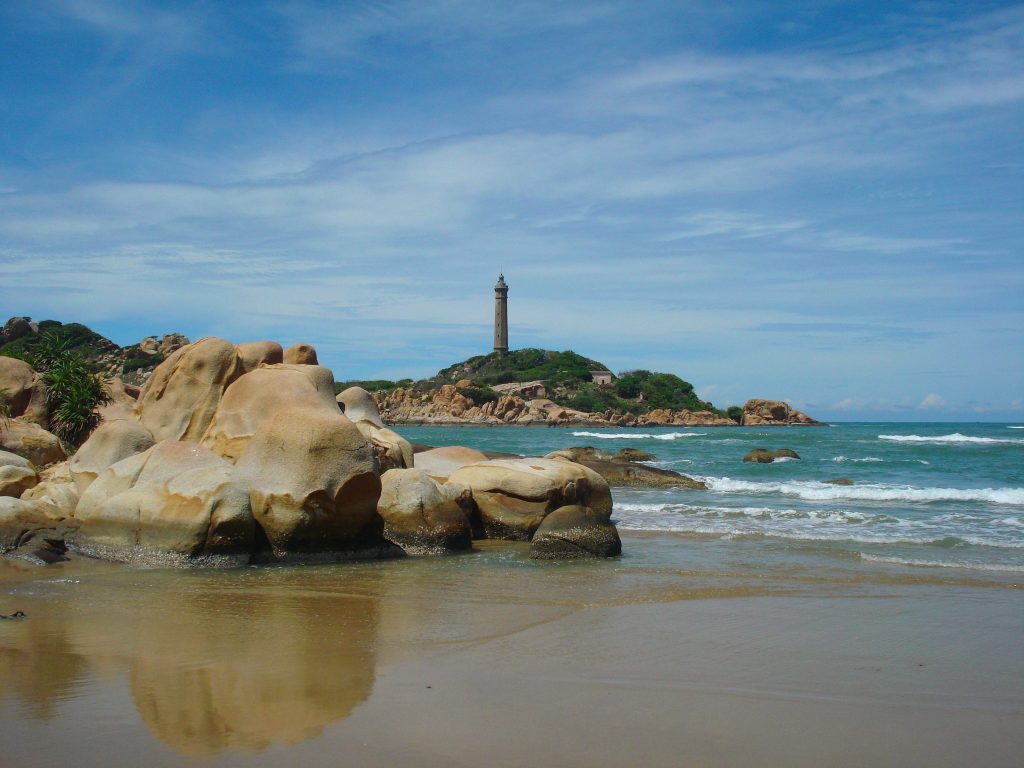
Another must-visit is the historic Ke Ga Lighthouse, Vietnam’s oldest, located on a small rocky island. A short boat ride will take you across, where you can climb to the top for sweeping views of the coastline. These day trips perfectly complement your Mui Ne beach escape.

>> Choose a custom Vietnam tour to enjoy a perfectly planned vacation tailored to your interests.

Travel Tips for Mui Ne

  • Bring Sun Protection: Sunscreen, hats, and sunglasses are essential under the strong tropical sun.
  • Wake Up Early: Catching the sunrise at the White Sand Dunes is worth the effort.
  • Stay Hydrated: Always carry water, especially when exploring dunes or walking along Fairy Stream.
  • Safety in Water Sports: Choose reputable kitesurfing schools for lessons and be mindful of weather conditions.
  • Bargain Wisely: When shopping at local markets, bargaining is expected, but keep it friendly.

Completed Itinerary for First-Time Visitors

Mui Ne Beach Travel Guide - Jeep Tours
Mui Ne Beach Travel Guide – Jeep Tours

Day 1 – Arrival & Beach Time
Arrive in Mui Ne and check into your hotel or resort. Spend the afternoon relaxing on the golden sands, swimming in the warm waters, or sipping a cocktail by the pool. End the evening with a seafood dinner at a beachfront restaurant.

Day 2 – Fairy Stream & Red Sand Dunes
Take a morning stroll along the Fairy Stream to admire its colorful sandstone formations. Continue to the fishing village for a fresh seafood lunch, then enjoy the late afternoon at the Red Sand Dunes, where sunset paints the sky in vibrant hues.

Day 3 – White Sand Dunes & Water Sports
Start early with a sunrise jeep tour to the White Sand Dunes. Return to Mui Ne for a kitesurfing session or unwind at a spa. In the evening, explore Mui Ne Night Market for local food and souvenirs.

Day 4 – Day Trip to Ta Cu Mountain
Venture about 60 km to Ta Cu Mountain, home to Vietnam’s largest reclining Buddha statue. You can hike up or take a cable car, enjoying panoramic views of the surrounding countryside. On the way back, stop at dragon fruit farms to taste this local specialty.

Day 5 – Ke Ga Lighthouse & Departure
Head south to visit Ke Ga Lighthouse, the oldest in Vietnam, perched on a small rocky island. A short boat ride will take you across, where you can explore the island and admire breathtaking ocean views. Return to Mui Ne for a final seafood meal before departing.

Conclusion: Mui Ne – Vietnam’s Coastal Gem

Mui Ne offers the perfect mix of relaxation, adventure, culture, and local life. Whether you’re here for kitesurfing, exploring sand dunes, or savoring fresh seafood, this vibrant coastal town never disappoints. Hopefully, this Mui Ne Beach travel guide helps you plan a trip filled with unforgettable experiences.

So pack your sunscreen, book your beach resort, and get ready to discover why Mui Ne is one of Vietnam’s most enchanting seaside escapes.

Is Laos safe to travel? Explore health precautions, UXO awareness, and transport safety in this updated guide for a worry-free Laos adventure.

Laos, the “Land of a Million Elephants,” has long captivated travelers with its misty mountains, golden temples, and slow-flowing Mekong River. As the country gains popularity among eco-travelers, backpackers, and cultural explorers, one question continues to surface: Is Laos safe to travel to? While most visitors find Laos welcoming and trouble-free, concerns about unexploded ordnance (UXO), transportation standards, and health risks remain. This Laos travel guide offers a detailed look at safety in Laos, giving you the knowledge you need for a worry-free journey in 2025 – 2026.

General Safety in Laos

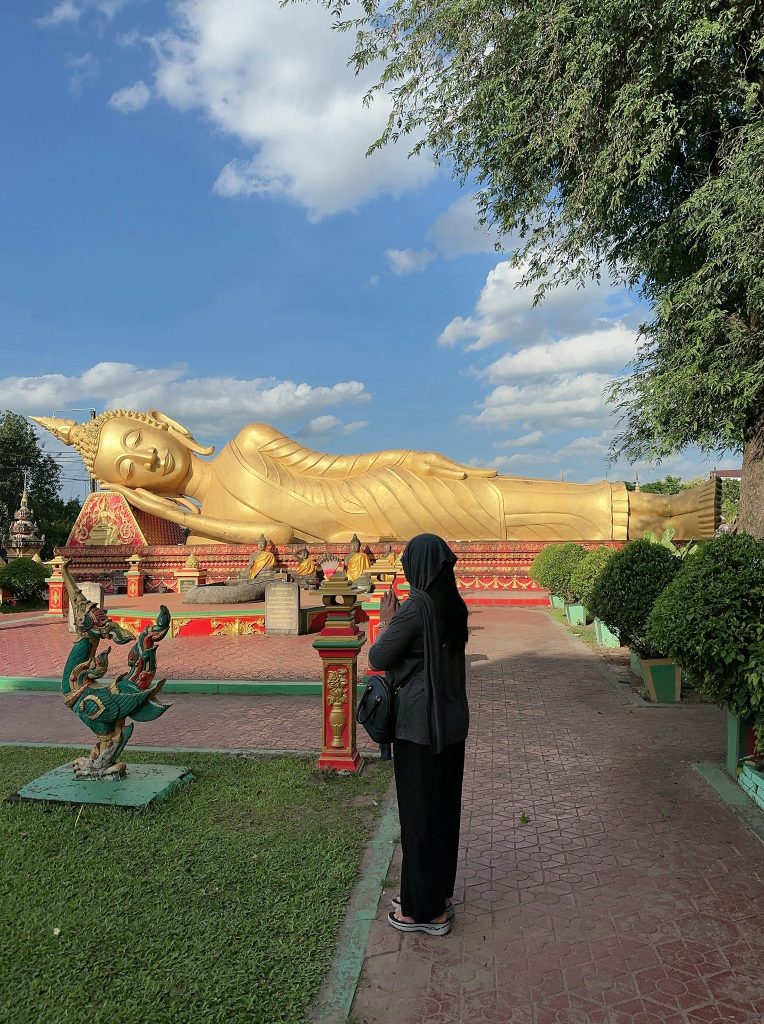
It is safe to travel to Laos - Buddha statue in Vientiane
It is safe to travel to Laos – Buddha statue in Vientiane

For the vast majority of tourists, Laos is a safe country to explore. Violent crime is very rare, and locals are known for their gentle and hospitable nature. The most common risks are petty theft—such as pickpocketing or bag snatching—in urban centers like Vientiane, Luang Prabang, and Vang Vieng.

Simple precautions help minimize risks:

  • Keep valuables in your hotel safe.
  • Carry only small amounts of cash.
  • Avoid leaving phones or bags unattended in restaurants or buses.
  • At night, use registered taxis or hotel-arranged transfers instead of walking alone in dimly lit areas.

Compared to many destinations in Southeast Asia, Laos is calmer, less crowded, and less commercialized, which often enhances its feeling of safety.

Health & Medical Considerations

The most significant safety concerns in Laos are related to health and medical access. Large hospitals exist in Vientiane and Luang Prabang, but rural facilities are limited. Travelers should carry travel insurance that covers medical evacuation.

Common health risks include:

  • Mosquito-borne illnesses such as dengue fever and malaria (especially in remote provinces).
  • Food and water safety, since stomach upsets are common if hygiene is overlooked.
  • Limited pharmacy access outside cities.

Travel tips for good health:

  • Drink only bottled or filtered water.
  • Apply mosquito repellent and wear long sleeves in rural areas.
  • Keep a personal supply of medications, especially for chronic conditions.
  • Check vaccination updates with your doctor before travel.

Unexploded Ordnance (UXO) Risks

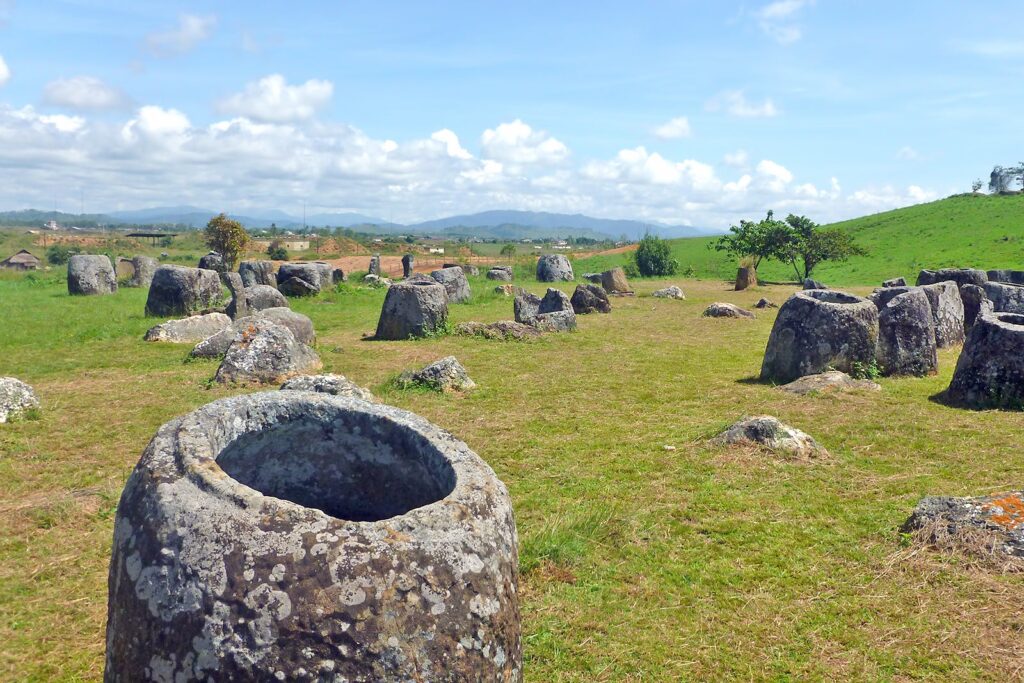
Plain of Jars Laos to visit in Laos journey

One unique safety issue in Laos is unexploded ordnance, a legacy of the Vietnam War era. Between 1964 and 1973, the country endured heavy bombing, leaving behind millions of cluster munitions that still affect certain rural regions today.

The main affected provinces include Xieng Khouang (Plain of Jars), Savannakhet, Attapeu, and Sekong. While most tourist routes and major attractions are cleared and safe, unexploded devices can remain in forests, fields, and remote trekking paths.

Traveler safety advice:

  • Stick to well-marked paths when hiking or visiting rural areas.
  • Avoid picking up metal objects or wandering into unmarked fields.
  • Book trekking or adventure tours with licensed operators who know safe routes.

UXO is not a daily threat for tourists, but awareness is key when venturing beyond established sites.

Political Stability and Civil Unrest

Laos is a one-party state with a stable political environment. Unlike some neighboring countries, public protests or civil unrest are rare. The government closely manages security, and visitors are unlikely to encounter demonstrations.

Occasional small clashes have been reported in remote border regions over past decades, but these incidents do not affect mainstream tourism hubs like Luang Prabang, Vang Vieng, or the Four Thousand Islands (Si Phan Don). In 2025, Laos remains politically calm, making it a low-risk destination for travelers.

Transportation and Road Safety

Public bus in Laos (Lorlen)

The biggest day-to-day safety challenge in Laos is transportation. Roads between cities are improving but can still be narrow, winding, and poorly lit at night. During the rainy season, landslides and flooding occasionally block highways.

Risks include:

  • Bus and minivan travel: overcrowding, speeding, and limited safety standards.
  • Motorbike rentals: accidents are common due to poor road conditions, lack of helmets, and limited medical services.
  • River travel: Mekong ferries and boats vary in safety quality, though major tourist cruises are well-regulated.

Safer alternatives:

  • Use domestic flights between Vientiane, Luang Prabang, and Pakse.
  • Hire private drivers through reputable travel companies.
  • If renting a motorbike, always wear a helmet, avoid nighttime driving, and check insurance coverage.

Natural Hazards and Weather Concerns

Laos’ tropical climate influences travel safety. The rainy season (May to October) brings heavy downpours, slippery roads, and swollen rivers. Trekking paths and rural routes may become difficult or unsafe. The dry season (November to April) is considered the safest and most comfortable time to explore.

Adventure activities—such as caving in Vang Vieng or kayaking on the Nam Song River—should only be done with certified guides who provide proper equipment. During rainy months, always check local conditions before venturing outdoors.

>> Find out further details on the best time to visit Laos.

Safety for Women, Solo, and LGBTQ+ Travelers

Adventure in Vang Vieng Laos (Edit Bernath)
  • Solo travelers, including women, usually find Laos safe if they follow common sense precautions such as avoiding isolated areas at night.
  • LGBTQ+ travelers encounter no major safety risks. While Laos is socially conservative, attitudes are generally tolerant, and same-sex couples traveling together are not uncommon in tourist areas.
  • Modest dress is recommended when visiting temples or rural villages to respect local culture.

Practical Safety Tips for Laos

  1. Register with your embassy if advised by your country.
  2. Carry copies of your passport and visa separate from the originals.
  3. Use ATMs in secure areas like banks or shopping centers.
  4. Book accommodation and tours through licensed providers.
  5. Respect cultural norms: remove shoes in temples, avoid public displays of affection, and dress modestly.

Conclusion

Is Laos safe to travel to? The answer is a reassuring yes. Laos is one of Southeast Asia’s most peaceful and hospitable countries, where crime is rare, and the atmosphere is calm. The primary risks are practical rather than political: health care limitations, transportation standards, and UXO in remote rural zones. With awareness and preparation, these concerns can be easily managed.

For most travelers, Laos is a safe and rewarding destination in 2025 – 2026. Whether you are sipping coffee by the Mekong in Vientiane, exploring the UNESCO World Heritage town of Luang Prabang, or drifting among the Four Thousand Islands, you can travel with confidence knowing that Laos offers not only beauty and culture but also a generally secure environment.

>> When you’ve determined the right time to visit, let our Laos private tours inspire your itinerary.

Plan your trip with our guide to the best time to visit Laos. Learn about the cool, hot, and rainy seasons plus highlights and festivals.

Laos is often described as the “hidden gem” of Southeast Asia, a country of gilded temples, sleepy riverside towns, misty mountains, and lush rice paddies. But as enchanting as Laos is, the experience you have largely depends on when you decide to go. With a tropical monsoon climate, Laos has dramatic seasonal contrasts that influence everything—from river levels on the Mekong to trekking conditions in the north. Travelers planning their journey often weigh the dry season versus rainy season to find the sweet spot for their ideal trip. This guide breaks down the best time to visit Laos depending on weather, festivals, activities, and regions so you can tailor your adventure perfectly.

Understanding Laos Weather and Climate

Laos has a tropical climate shaped by the annual monsoon, creating three distinct travel seasons:

  • Cool & Dry Season (November – February): Comfortable weather, clear skies, and cool nights. This is considered peak tourist season.
  • Hot & Dry Season (March – May): The hottest months of the year, with temperatures soaring up to 38°C in some areas.
  • Rainy Season (June – October): Short but heavy downpours, usually in the afternoon or evening, leaving mornings relatively dry.

Knowing how each season feels will help you decide the best time to visit Laos for your style of travel.

Cool & Dry Season (November – February): Peak Travel Period

Best time to visit Laos - Pha That Luang Festival (Ian Taylor Photographer)
Best time to visit Laos – Pha That Luang Festival (Ian Taylor Photographer)

For most travelers, November to February is the most popular time to visit Laos. Average temperatures range between 15–25°C, creating pleasant days and cool nights.

Why Visit During This Season?

  • Perfect Weather: Comfortable for sightseeing, river cruises, and trekking.
  • Cultural Festivals: November hosts the That Luang Festival in Vientiane, the most important Buddhist celebration in Laos.
  • Mekong River Cruises: Ideal water levels and calm conditions make this the best time for multi-day boat journeys.

Pros and Cons

  • Pros: Pleasant weather, easy transport, vibrant atmosphere, perfect for outdoor activities.
  • Cons: Higher accommodation prices and crowded tourist hotspots such as Luang Prabang and Vang Vieng.

Verdict: This is the best time to visit Laos if you value comfort and cultural experiences, but be prepared for more tourists.

Hot & Dry Season (March – May): Quiet but Scorching

Pi Mai Lao - Lao New Year (Sofitel Luang Prabang)
Pi Mai Lao – Lao New Year (Sofitel Luang Prabang)

The hot season can be challenging, with daytime highs reaching 35–38°C, especially in central and southern Laos. Despite the heat, this period has its own charm.

Why Visit During This Season?

  • Festivals: April brings Pi Mai Lao (Lao New Year), a nationwide water festival filled with fun street celebrations.
  • Discounted Rates: Fewer visitors mean cheaper hotels and tours.
  • Southern Laos: The 4,000 Islands region is particularly appealing, with refreshing waterfalls and river swimming.

Pros and Cons

  • Pros: Low prices, unique cultural celebrations, quiet attractions.
  • Cons: Extreme heat, making mid-day exploration uncomfortable.

Verdict: Ideal for budget-conscious travelers and festival lovers who don’t mind high temperatures.

Rainy Season (June – October): Laos at Its Greenest

Kuang Si Waterfall (Tuan Cuong Chan)

The rainy season is often misunderstood. While travelers fear endless downpours, the reality is different—rain usually comes in short, heavy bursts in the late afternoon, leaving much of the day dry.

Why Visit During This Season?

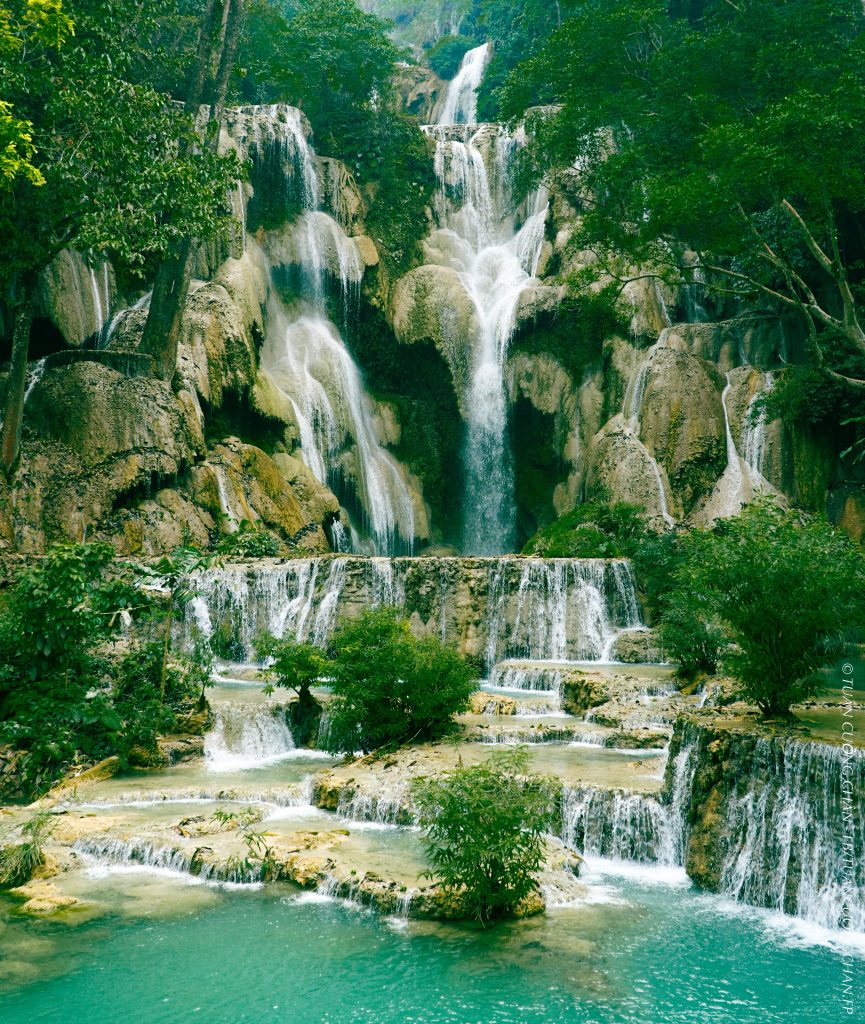
  • Lush Landscapes: Rice paddies glow emerald green, and waterfalls like Kuang Si near Luang Prabang or Tad Fane near Pakse are at their most powerful.
  • Mekong River Adventures: Higher water levels allow boats to access smaller rivers and remote villages.
  • Photography Paradise: Dramatic skies, misty mountains, and vibrant greenery.

Pros and Cons

  • Pros: Fewer tourists, lower costs, spectacular scenery.
  • Cons: Slippery trekking trails, occasional road closures due to flooding.

Verdict: This is the best time to visit Laos for travelers seeking authentic experiences, stunning nature, and quiet exploration.

>> Once you’ve chosen the ideal season, explore our customized Laos tours.

Best Time by Activity

Best time to visit Laos - Pi Mai Lao (Lao New Year)
Best time to visit Laos – Pi Mai Lao (Lao New Year)

Choosing when to visit Laos also depends on what you want to do:

  • Cultural Touring: November to February offers comfortable weather for temple visits and heritage walks.
  • River Cruises: October to March is best for Mekong journeys due to navigable water levels.
  • Trekking & Adventure: November to March provides cool weather, especially in northern Laos.
  • Photography & Scenery: June to October showcases dramatic landscapes and vibrant green countryside.
  • Budget Travel: May to October is ideal for discounted rates and fewer tourists.

Laos Festival Calendar Highlights

Festivals in Laos often follow the Buddhist lunar calendar, adding a unique cultural dimension to your timing.

  • That Luang Festival (November): Celebrated in Vientiane with candlelight processions and merit-making.
  • Pi Mai Lao (April): Lao New Year and water festival, a nationwide celebration.
  • Boat Racing Festivals (September – October): Held along the Mekong River, marking the end of Buddhist Lent.

If your trip aligns with these events, you’ll experience an unforgettable side of Laos.

Regional Differences in Seasons

Bolaven Plateau Laos - Ziplining
Bolaven Plateau Laos – Ziplining

Different regions in Laos offer varied experiences depending on the season:

  • Northern Laos (Luang Prabang, Nong Khiaw): Cool and misty in winter, lush in rainy season. Ideal for trekking between November and March.
  • Central Laos (Vientiane, Vang Vieng): Hot in summer but great for cultural touring during the cool season.
  • Southern Laos (Pakse, Bolaven Plateau, Si Phan Don): Waterfalls are most spectacular during the rainy season, while winter is more comfortable for travel.

This regional diversity means there’s always a good reason to travel, regardless of the month.

Month-by-Month Snapshot

  • November – February: Cool, dry, busy season; ideal weather.
  • March – May: Hot, dry, fewer crowds, budget-friendly.
  • June – October: Rainy, lush, authentic, scenic.

This simple breakdown helps travelers quickly assess the best time to visit Laos according to personal preferences.

Conclusion: When Is the Best Time to Visit Laos?

The truth is, there isn’t a single “best time” that fits all travelers—it depends on your goals:

  • For perfect weather and festivals: November – February.
  • For fewer crowds and cultural immersion: March – May.
  • For lush landscapes and off-the-beaten-path charm: June – October.

Whether you’re chasing waterfalls in the rainy season, enjoying Buddhist rituals in the cool season, or celebrating New Year with locals in April, Laos rewards travelers year-round. Your journey will be unforgettable, no matter the timing, if you match the season to your style of travel.

>> Don’t miss the complete Laos travel guide for detailed information.

Discover visa to Laos requirements: who needs a visa, e-Visa details, visa on arrival process, exemptions, and stay extensions for 2025 – 2026.

Traveling to Laos, the “Land of a Million Elephants,” is a dream for many seeking serene landscapes, timeless Buddhist temples, and a slower pace of life. Before embarking on this journey, it is essential to understand the visa requirements. The process of obtaining a visa to Laos has become much simpler in recent years, thanks to e-Visa services and visa on arrival options. Still, rules differ depending on nationality, purpose of travel, and intended length of stay. In this comprehensive guide, we will explore everything you need to know about the visa to Laos in 2025 – 2026: from who needs one, which travelers are exempt, the details of e-Visa and visa on arrival, and the permitted duration of stay.

Do You Need a Visa to Enter Laos?

Complete Guide to Visa to Laos - Patuxay (The Hangry Tourist)
Complete Guide to Visa to Laos – Patuxay (The Hangry Tourist)

For most foreign travelers, obtaining a visa to Laos is a requirement. However, Laos has bilateral agreements with certain countries that allow their citizens to enter visa-free for short periods. Travelers from ASEAN nations, for instance, enjoy simplified entry rules. Citizens of countries outside these agreements generally must apply for either an e-Visa in advance or a visa on arrival at designated entry points.

The exact requirement depends on your nationality, and it is strongly recommended to verify the latest updates before travel, as regulations may evolve.

Visa Exemption Rules

Several nationalities benefit from visa-free entry into Laos. The most common exemptions include:

  • ASEAN member states such as Vietnam, Cambodia, Thailand, Myanmar, Malaysia, Singapore, Indonesia, and the Philippines. Depending on the agreement, visitors from these countries may stay between 14 to 30 days without a visa.
  • Citizens of Japan, South Korea, Russia, Switzerland, and Luxembourg also enjoy short visa-free stays (usually up to 15 days).
  • Diplomatic and official passport holders from selected countries may be allowed longer visa-free access.

It is important to note that while visa-free entry is convenient, the stay period cannot normally be extended. If you wish to remain in Laos longer, applying for a standard visa to Laos is necessary.

The Laos Visa on Arrival

Complete Guide to Visa to Laos – Statue of Chao Anouvong

One of the most popular ways to enter is through a visa on arrival, available at most international airports and several land border checkpoints. This option is convenient for travelers who prefer flexibility and do not want to apply online beforehand.

Key Facts about Visa on Arrival:

  • Eligibility: Over 150 nationalities are eligible.
  • Validity: Standard tourist visa issued on arrival is valid for 30 days.
  • Cost: Fees range from $30 to $42 USD, depending on nationality. Payment is usually required in US dollars, though some checkpoints accept Thai Baht or Lao Kip.
  • Required documents:
    • A passport valid for at least 6 months with one blank page.
    • One recent passport-sized photo (4×6 cm).
    • Completed application form provided at the checkpoint.
    • Sufficient funds to cover the visa fee.

Travelers should note that not all land border crossings offer visa on arrival, so planning the point of entry is crucial. Airports like Vientiane’s Wattay International Airport, Luang Prabang International Airport, and Pakse International Airport reliably provide this service.

>> Be sure to read the complete Laos travel guide for more insights.

Laos e-Visa System

Complete Guide to Visa to Laos - Wat Sisaket, Vientiane
Complete Guide to Visa to Laos – Wat Sisaket, Vientiane

For smoother travel planning, the Lao government introduced the e-Visa system in 2019, which remains one of the most recommended methods in 2025. Applying for an e-Visa ensures a hassle-free entry process and reduces waiting times at the border.

Benefits of e-Visa:

  • Convenience: Applications can be submitted entirely online, from anywhere in the world.
  • Processing time: Generally takes 3 business days, though faster approval is often reported.
  • Validity: Tourist e-Visa allows a stay of up to 30 days.
  • Entry points: The e-Visa is valid at major airports (Vientiane, Luang Prabang, Pakse) and some land checkpoints, but not at all borders.

Required Documents for e-Visa:

  • A passport valid for at least 6 months.
  • A digital passport photo.
  • Payment of the fee online by credit or debit card (around $50 USD).
  • Completed online form with personal details, purpose of visit, and travel itinerary.

Once approved, travelers receive a PDF confirmation, which must be presented on arrival. This system is highly recommended for those who want peace of mind before departure.

>> Link to The Department of Immigration of Lao PDR: https://immigration.gov.la/

Duration of Stay and Extensions

Whether you enter with a visa on arrival or an e-Visa, the permitted stay is usually 30 days. However, travelers who wish to spend more time exploring Laos can extend their stay at the Department of Immigration in Vientiane or at provincial offices.

  • Extension period: Typically 15 days, with a cost of around $2 per day plus a small administrative fee.
  • Overstay fines: If you remain in Laos beyond your visa validity without extension, you will face fines of $10 per day. Continuous overstays can result in penalties or difficulties when exiting the country.

For long-term stays, such as employment, study, or residence, applying for a specialized visa category through Lao embassies and consulates abroad is mandatory.

Special Notes for Travelers

  1. Multiple Entry: Laos primarily issues single-entry tourist visas. Travelers who plan to leave and re-enter (for example, visiting neighboring Thailand, Vietnam, or Cambodia) should prepare to obtain another visa or consider applying for a multiple-entry business visa if eligible.
  2. Health Requirements: While no specific vaccinations are required for obtaining a visa to Laos, travelers are encouraged to carry proof of standard immunizations and consider precautions against mosquito-borne illnesses.
  3. Children: Minors require their own passports and, in most cases, their own visas. Some exemptions apply for children listed in parents’ passports, but international practice now favors individual documents.
  4. Border Crossings: While international airports and popular checkpoints are reliable, remote crossings may have limited visa services. Always check whether your entry point supports visa on arrival or e-Visa entry.

Practical Advice for Smooth Visa Approval

To make the process of obtaining a visa to Laos stress-free:

  • Carry cash in USD: Visa fees are often only accepted in cash, and ATMs may not always be available at smaller border posts.
  • Prepare photos in advance: Although some borders provide photo services, it is better to bring your own to avoid delays.
  • Apply online early: If choosing the e-Visa, apply at least one week before travel to allow for any processing delays.
  • Check passport validity: Ensure your passport has at least six months’ validity beyond your planned departure date.

>> After obtaining your visa to Laos, consult the curated selection of Laos private tours.

Why Understanding Laos Visa Requirements Matters

Laos is a country that rewards visitors with its untouched natural beauty, slow-paced lifestyle, and warm hospitality. But to enjoy the trip without hassle, preparing your visa to Laos in advance is essential. Whether you are a short-term tourist entering on visa-free terms, a traveler making use of the convenient e-Visa system, or an adventurer opting for visa on arrival, knowing the requirements ensures your journey begins smoothly.

By familiarizing yourself with visa rules, you will not only save time at the border but also avoid unexpected costs or denied entry. As regulations are subject to updates, always double-check the official Laos Immigration website or consult the nearest Lao embassy before traveling.

Conclusion

Securing the right visa to Laos is a straightforward process once you understand your options. With e-Visa applications simplifying travel, visa on arrival services at major airports, and exemptions for certain nationalities, Laos remains an accessible destination for international visitors. Most travelers will enjoy a stay of up to 30 days, with the option to extend if desired.

Before you set out to explore Luang Prabang’s golden temples, cruise the Mekong River, or trek through misty mountains, take the time to prepare your visa documents. A little preparation ensures your Laos adventure begins with ease, leaving you free to embrace the charm and tranquility of this unique Southeast Asian nation.

Nha Trang Vietnam – Find the best time to visit, top things to do, island-hopping tours, diving spots, and travel tips for your dream vacation.

Nha Trang, often called the “Riviera of the East Sea,” is one of Vietnam’s most famous coastal cities, renowned for its long stretches of golden sand, turquoise waters, and laid-back yet vibrant atmosphere. Located in Khanh Hoa Province on the country’s south-central coast, Nha Trang has developed into a top destination for beach lovers, cultural explorers, and adventure seekers alike. From ancient Cham temples to luxury resorts and thrilling water sports, this city has something for everyone. Whether you are planning a relaxing holiday, an adventure-packed getaway, or a family vacation, Nha Trang promises an unforgettable experience.

Location & How to Get There

Nha Trang Vietnam - Vinpearl Resort Nha Trang
Nha Trang Vietnam – Vinpearl Resort Nha Trang

Nha Trang sits along the South Central Coast of Vietnam, about 450 km north of Ho Chi Minh City and 1,300 km south of Hanoi. Its convenient location makes it easy to include in a Vietnam itinerary, whether you’re traveling north to south or vice versa.

  • By Air: The closest airport is Cam Ranh International Airport (CXR), located 35 km from the city center. Direct flights connect Nha Trang with major cities in Vietnam like Hanoi, Ho Chi Minh City, and Da Nang, as well as international hubs such as Bangkok, Seoul, and Moscow.
  • By Train: The Reunification Express runs from Hanoi to Ho Chi Minh City, with a stop in Nha Trang. The journey is long but scenic.
  • By Road: Nha Trang is accessible by bus or private car from Ho Chi Minh City, Da Lat, and Quy Nhon. Coastal highways provide stunning ocean views.

Best Time to Visit Nha Trang

Nha Trang Vietnam - Island Tour by glass-bottom boat
Nha Trang Vietnam – Island Tour by glass-bottom boat

Nha Trang has a tropical savanna climate, which means warm temperatures year-round. However, some periods are better for travel than others:

  • Dry Season (January – August): The best time to visit. Days are sunny, rainfall is minimal, and the sea is calm—ideal for island-hopping, diving, and beach activities.
  • Peak Season (March – June): Perfect for water sports and family vacations. The weather is hot but enjoyable.
  • Rainy Season (September – December): Heavy showers may affect tours and water sports. Still, prices are lower, and the city is less crowded.
  • Special Event: The biennial Nha Trang Sea Festival (usually in June) celebrates local culture, cuisine, and the ocean with lively parades, performances, and exhibitions.

Top Things to Do in Nha Trang

This is where Nha Trang truly shines—its wide range of attractions and experiences cater to every type of traveler.

1. Relax on Nha Trang Beach

Nha Trang Vietnam - Relax on Nha Trang Beach
Nha Trang Vietnam – Relax on Nha Trang Beach

Nha Trang Beach is the city’s crown jewel, stretching for nearly 6 km along the coastline. With its fine white sand and clear waters, it is perfect for sunbathing, swimming, and people-watching. A promenade lined with palm trees, restaurants, and cafés adds to the charm, while water sports like jet skiing, parasailing, and banana boat rides are available for thrill-seekers.

2. Explore the Islands of Nha Trang Bay

Nha Trang Vietnam - Boat trip to Hon Mun Island
Nha Trang Vietnam – Boat trip to Hon Mun Island

The bay is dotted with small islands, each offering unique experiences:

  • Hon Mun Island: A marine reserve famous for its vibrant coral reefs, ideal for scuba diving and snorkeling.
  • Hon Tam Island: Known for its soft beaches and eco-friendly resorts, offering mud baths, spas, and water sports.
  • Hon Tre Island: Home to VinWonders Nha Trang, one of Vietnam’s largest amusement parks, accessible by a record-breaking sea-crossing cable car.
  • Diep Son Island: Famous for its unique sandbar path that connects islands during low tide—a magical photo opportunity.

3. Visit Po Nagar Cham Towers

Nha Trang Vietnam - Ponaga Cham Towers (Cindy Cutler)
Nha Trang Vietnam – Ponaga Cham Towers (Cindy Cutler)

Dating back to the 7th century, Po Nagar Cham Towers are among Vietnam’s most significant Cham Hindu relics. Built to honor the goddess Yan Po Nagar, these red-brick towers are a spiritual site and architectural marvel. Visitors can admire the intricate carvings, learn about Cham culture, and enjoy panoramic views of the Cai River.

4. Take a Mud Bath & Hot Spring Experience

Nha Trang Vietnam - Mineral mud bath
Nha Trang Vietnam – Mineral mud bath

Nha Trang Vietnam is famous for its therapeutic mud baths and mineral hot springs, believed to improve skin and overall health.

  • Thap Ba Hot Spring Center and I-Resort are the most popular, offering communal pools, private tubs, and spa services.
    This relaxing activity is especially great after a day of sightseeing or swimming.

5. Discover Long Son Pagoda

Nha Trang Vietnam - Long Son Pagoda (Cla Ra)
Nha Trang Vietnam – Long Son Pagoda (Cla Ra)

At the base of Trai Thuy Hill lies Long Son Pagoda, a Buddhist temple dating back to the late 19th century. The highlight is a massive 24-meter-tall white Buddha seated on a lotus blossom, visible from many parts of the city. Climbing the 152 steps to reach the statue rewards visitors with sweeping views of Nha Trang.

6. Marvel at Nha Trang Cathedral

Built by French missionaries in the early 20th century, Nha Trang Cathedral (Christ the King Cathedral) is a striking Gothic-style church constructed entirely of stone. Its stained-glass windows, bell tower, and elevated location make it a popular stop for photographers and history lovers.

7. Enjoy Adventure & Water Sports

Nha Trang Vietnam - Kayaking in Nha Trang Sea
Nha Trang Vietnam – Kayaking in Nha Trang Sea

For adrenaline enthusiasts, Nha Trang offers a wealth of options:

  • Scuba diving and snorkeling in Hon Mun Marine Protected Area.
  • Parasailing and windsurfing on Nha Trang Beach.
  • White-water rafting and trekking at Ba Ho Waterfalls or Yang Bay Eco Park.

8. Day Trips to Nearby Beaches & Bays

Nha Trang Vietnam - Diving
Nha Trang Vietnam – Diving

If you want to escape the city’s buzz, there are several pristine spots nearby:

  • Doc Let Beach: 50 km north of Nha Trang, quieter and perfect for families.
  • Dai Lanh Beach: Known for its soft sand and traditional fishing village.
  • Van Phong Bay: A hidden gem offering kayaking, snorkeling, and untouched landscapes.

>> Customize your journey with a tailor-made Vietnam tour, including an unforgettable exploration of Nha Trang.

Food & Nightlife in Nha Trang

Local Cuisine

Nha Trang is a seafood paradise, thanks to its coastal location. Must-try dishes include:

  • Bún chả cá (fish cake noodle soup): A light but flavorful specialty.
  • Nem nướng Ninh Hòa (grilled pork skewers): Often served with rice paper, fresh herbs, and dipping sauce.
  • Seafood hotpot: A communal dish with prawns, squid, clams, and local fish.

Nightlife & Markets

Nha Trang Vietnam has a vibrant nightlife scene, ranging from beachfront clubs to quiet rooftop lounges. Popular spots include Sailing Club, Skylight Rooftop Bar, and lively beach bars. For a more local experience, head to Dam Market and Nha Trang Night Market to shop for souvenirs, clothes, and street food.

Accommodation Options in Nha Trang

Nha Trang Vietnam - Hotels in front of the beach
Nha Trang Vietnam – Hotels in front of the beach

Nha Trang offers a wide range of accommodations, from budget hostels to world-class resorts.

  • Luxury: Six Senses Ninh Van Bay, Amiana Resort, InterContinental Nha Trang., Vinpearl Resort & Spa
  • Mid-range: Sheraton Nha Trang, Liberty Central, Novotel.
  • Budget: Numerous guesthouses and boutique hostels near the beach and city center.

Travel Tips for Nha Trang Vietnam

  • Book accommodation and tours in advance during peak season (March–June).
  • Bring sunscreen, hats, and swimwear for outdoor activities.
  • Bargain at local markets, but do so respectfully.
  • Respect religious customs at temples—dress modestly and remove shoes when required.

Conclusion

Nha Trang Vietnam is more than just a beach city—it is a destination that combines natural beauty, rich history, and modern comforts. Whether you’re lounging on its beaches, exploring Cham towers, diving in coral reefs, or indulging in fresh seafood, Nha Trang has the perfect mix of relaxation and adventure. With its year-round warm climate, accessibility, and diverse attractions, Nha Trang deserves a top spot on your Vietnam travel list.

Discover Nha Trang, Vietnam: stunning beaches, island tours, Cham temples, mud baths, and vibrant nightlife. Plan your perfect trip with our travel guide.

Discover the best time to visit Vietnam with our weather guide. Learn when to go for beaches, culture, trekking, and Ha Long Bay cruises.

With its rich culture, breathtaking landscapes, and vibrant cities, Vietnam has become one of Asia’s most exciting travel destinations. Yet with a country that stretches over 1,600 kilometers from north to south, one of the most common questions travelers ask is: What’s the best time to visit Vietnam?

The answer isn’t one-size-fits-all. Vietnam’s diverse geography means that the weather in Hanoi may be chilly while Ho Chi Minh City basks in sunshine. Planning your trip around Vietnam’s seasons can transform your experience—whether you’re trekking the northern mountains, lounging on central beaches, or exploring the Mekong Delta.

This guide will walk you through Vietnam’s climate by region and season, highlight the best times to visit for different experiences, and share practical travel tips for every month of the year.

Vietnam’s Climate at a Glance

Vietnam has a tropical monsoon climate, but because of its length and varied topography, the country experiences very different weather patterns across three main regions:

  • Northern Vietnam (Hanoi, Ha Long Bay, Sapa): Four distinct seasons—cold winters, hot summers, and pleasant spring and autumn months.
  • Central Vietnam (Hue, Da Nang, Hoi An, Nha Trang): Hot and dry for much of the year, with a rainy and typhoon-prone season in late summer and autumn.
  • Southern Vietnam (Ho Chi Minh City, Mekong Delta, Phu Quoc): Consistently hot and humid, divided into a dry season and a rainy season.

Northern Vietnam: Best Time to Visit

Discover the best time to visit Vietnam - Landscapes of Ninh Binh (Thuy Troc Le)
Discover the best time to visit Vietnam – Landscapes of Ninh Binh (Thuy Troc Le)

Destinations: Hanoi, Ha Long Bay, Sapa, Ninh Binh, Pu Luong, Ha Giang, Cao Bang

  • Winter (November–February): Cool to cold, with temperatures ranging from 10–20°C (50–68°F). Sapa can drop close to freezing. Hanoi may be foggy or misty, particularly around January.
  • Spring (March–April): Mild and pleasant with blooming flowers—ideal for city sightseeing and Ha Long Bay cruises.
  • Summer (May–August): Hot and humid with heavy afternoon downpours. Great for lush landscapes but less comfortable for trekking.
  • Autumn (September–October): Clear skies, cooler weather, and golden rice terraces in Sapa. Widely considered the best time to visit northern Vietnam.

Best Months: March–April and September–October.

Central Vietnam: Best Time to Visit

Discover the best time to visit Vietnam - Hoi An Town (Thuy Troc Le)
Discover the best time to visit Vietnam – Hoi An Town (Thuy Troc Le)

Destinations: Hue, Da Nang, Hoi An, Nha Trang, Quy Nhon.

  • Dry Season (February–August): Hot and sunny, with temperatures around 25–35°C (77–95°F). Perfect for beach vacations in Hoi An and Nha Trang.
  • Rainy Season (September–November): Frequent heavy rains, flooding in Hue, and occasional typhoons along the coast.
  • Winter (December–January): Cooler but still mild compared to the north; some rain, but beaches in southern central areas like Nha Trang remain attractive.

Best Months: February–August, especially April–July for guaranteed sunshine.

Southern Vietnam: Best Time to Visit

Experience Elegance at Kiss Bridge: Phu Quoc's Pinnacle of Sophistication
Experience Elegance at Kiss Bridge: Phu Quoc’s Pinnacle of Sophistication

Destinations: Ho Chi Minh City, Mekong Delta, Phu Quoc, Con Dao.

  • Dry Season (November–April): Sunny, warm, and less humid. Ideal for sightseeing, cruises, and beach getaways.
  • Rainy Season (May–October): Daily short but heavy showers, usually in the afternoon. Lush scenery and fewer tourists, but occasional flooding in the Mekong Delta.

Best Months: December–April for guaranteed sunshine and comfortable travel.

Best Time to Visit Vietnam by Travel Experience

  1. Cultural Exploration

For exploring historic cities like Hanoi, Hue, and Hoi An, the best times are spring (March–April) and autumn (September–November) when the weather is mild.

  1. Beach Vacations
  • Central Coast (Da Nang, Hoi An, Nha Trang): March–August.
  • Southern Islands (Phu Quoc, Con Dao): November–April.
  1. Trekking and Adventure
  • Sapa & Northern Highlands: October–April for clear skies and cooler conditions.
  • Phong Nha–Ke Bang National Park: February–August for dry conditions in caves and jungle treks.
  1. Ha Long Bay Cruises

October–April offers the most comfortable conditions, with less rain and calmer seas.

>> Create your ideal adventure using our tailor-made Vietnam tour form!

Vietnam Weather by Month

Biking around Mai Chau Valley, Northern Vietnam

Here’s a quick breakdown of what to expect month by month:

  • January: Cool in the north, sunny in the south; popular for beach escapes.
  • February: Tet (Lunar New Year) brings festive celebrations—book early.
  • March: Mild across the country; one of the best months to visit.
  • April: Warm, dry, and great for both cultural and beach trips.
  • May: Start of rainy season in the south; still pleasant in the north.
  • June: Hot across the country; beaches in central Vietnam are at their best.
  • July: Peak heat; ideal for Nha Trang and Da Nang, but storms possible in the north.
  • August: Typhoon risk begins in central Vietnam; still hot in the south.
  • September: Pleasant autumn weather in the north; rains continue in the central region.
  • October: One of the best months for Hanoi, Sapa, and Ha Long Bay.
  • November: Clear skies return in the north and south; central still recovering from rains.
  • December: Cool, dry weather in the north; sunny in the south—perfect for beach trips.

Vietnam Festivals and Holidays

Festivals can shape your travel experience, adding cultural depth but also creating busy travel periods.

  • Tet (Vietnamese Lunar New Year): January/February. A colorful celebration, but transport and accommodation fill up quickly.
  • Hue Festival (biennial, usually April/May): Cultural shows, parades, and traditional performances.
  • Mid-Autumn Festival (September/October): Lantern displays, mooncakes, and family gatherings.
  • National Day (September 2): Parades and fireworks nationwide.

Best Months Overall

If you’re looking for the sweet spots when weather is pleasant across most of Vietnam:

  • March–April: Comfortable temperatures, dry skies, and vibrant landscapes.
  • October–November: Crisp autumn air in the north, beach-friendly weather in the south, and fewer crowds than spring.

Travel Tips Based on Season

  • Winter: Pack layers if visiting Hanoi or Sapa.
  • Summer: Bring light, breathable clothes and expect sudden rain showers.
  • Monsoon Season: Keep flexible plans; flight delays and train cancellations are possible.
  • Year-Round: Always pack sunscreen, insect repellent, and a reusable water bottle.

Final Answer: What’s the Best Time to Visit Vietnam?

The best time to visit Vietnam depends on where you go and what you want to experience. For most travelers, March–April and October–November are the most balanced months, offering pleasant weather across the country.

If beaches are your priority, choose April–August for central Vietnam or December–April for the southern islands. For cultural exploration, spring and autumn are ideal, while trekkers will love the crisp air of northern winters.

Ultimately, Vietnam is a year-round destination—each season offers its own charm, from the misty winter landscapes of Ha Long Bay to the vibrant green rice terraces of summer in Sapa. With a little planning, any time can be the best time for you.

Discover Tonle Sap Lake Cambodia, Southeast Asia’s largest freshwater lake. Explore floating villages, UNESCO biosphere reserves, bird sanctuaries, and learn about tourism impacts from the Funan Techo Canal.

Tonle Sap Lake, often called the “beating heart of Cambodia,” is the largest freshwater lake in Southeast Asia and a lifeline for millions of people. Located in the northwest of Cambodia and connected to the mighty Mekong River by the Tonle Sap River, the lake is famous for its unique seasonal flood-pulse system. Each year, during the monsoon season, the Mekong swells and reverses the river’s current, causing Tonle Sap to expand up to five times its dry-season size. This natural phenomenon makes it one of the world’s most productive inland fisheries and an ecological treasure.

For travelers, Tonle Sap Lake offers a rare chance to witness a living landscape that changes dramatically with the seasons. From floating villages to flooded forests and rare bird sanctuaries, the lake provides insights into Cambodia’s deep connection between nature, culture, and livelihood.

Geography and Hydrology of Tonle Sap Lake


Daily life on Tonle Sap Lake Cambodia (Sophea BO)

Geographically, Tonle Sap lies in central Cambodia, covering provinces such as Siem Reap, Battambang, Pursat, Kampong Thom, and Kampong Chhnang. Its seasonal reversal of flow is unique in the world.

  • Dry Season (November–April): The lake shrinks to about 2,500 km², shallow and accessible.
  • Wet Season (May–October): It swells to more than 12,000 km², flooding forests and farmland, and creating a vast inland sea.

This cycle shapes not only the environment but also the rhythm of life for communities who depend on fishing, agriculture, and seasonal migration.

Tonlé Sap Biosphere Reserve: A UNESCO Treasure

Bird Watching Trip on Tonle Sap Lake by Sam Veasna Conservation Tours

In 1997, Tonle Sap Lake was designated a UNESCO Biosphere Reserve, recognizing its global ecological significance. It is home to extraordinary biodiversity, making it one of Southeast Asia’s most vital ecosystems.

Flora and Fauna

  • Over 300 species of fish, including giant catfish and snakehead fish.
  • Rare and endangered reptiles such as the Siamese crocodile and softshell turtles.
  • Flooded forests provide shelter to countless aquatic species.
  • The Prek Toal Bird Sanctuary, located in the northwest corner of the lake, hosts large colonies of endangered waterbirds, such as spot-billed pelicans, painted storks, black-headed ibises, and greater adjutants.

Conservation Challenges

While the biosphere reserve is a haven for wildlife, it faces increasing pressures:

  • Overfishing and illegal fishing practices threaten fish stocks.
  • Deforestation of flooded forests reduces natural breeding grounds.
  • Upstream dams on the Mekong affect the seasonal flood-pulse.
  • Climate change impacts rainfall patterns, altering the lake’s water levels.

Conservation groups, both local and international, are working to balance the needs of local communities with the preservation of this irreplaceable ecosystem.

Local Life on Tonle Sap Lake

Tonle Sap Lake Cambodia (Luan T.Tran)

Tonle Sap is not just a lake—it is a world of human adaptation. More than 1.5 million people live in floating villages around the lake, making it one of the most unique human settlements in Asia.

Floating Villages and Stilt Houses

Entire communities float on the lake or perch on high stilts, rising and falling with the water level. Some of the most visited villages include:

  • Chong Khneas – closest to Siem Reap, though more commercialized.
  • Kampong Phluk – famous for stilt houses and a flooded mangrove forest.
  • Kampong Khleang – the largest and least touristy, home to thousands of people.

Ethnic Diversity and Culture

  • Khmer communities dominate, but there are also significant Vietnamese populations and Cham Muslims, each adding cultural layers to life on the lake.
  • Religious life revolves around floating Buddhist temples and mosques, creating striking cultural landmarks on the water.

Livelihoods and Challenges

  • Fishing: The backbone of life, supplying Cambodia with 60% of its protein intake.
  • Agriculture: Seasonal farming when waters recede, leaving fertile floodplains.
  • Aquaculture: Fish farming is increasingly important as natural stocks decline.
  • Challenges include poverty, limited healthcare, lack of schools, and the environmental degradation that threatens future livelihoods.

Despite hardships, local resilience is extraordinary, and travelers often remark on the ingenuity of families who thrive in such ever-changing conditions.

Tourist Activities on Tonle Sap Lake

Tonle Sap Lake Cambodia (CHANN NA Express Boat)

Visiting Tonle Sap provides not just sightseeing, but immersion into a way of life that feels timeless.

Boat Tours

Most visitors access the lake via Siem Reap, combining a day trip with Angkor Wat itineraries. Local boats navigate through floating villages, flooded forests, and open waters.

Floating Villages Exploration

  • Visit schools, markets, and homes floating on pontoons.
  • Learn how locals adapt daily life to seasonal changes.
  • Photography enthusiasts will find endless opportunities to capture authentic scenes of Cambodian life.

Bird-Watching at Prek Toal Sanctuary

Nature lovers should not miss Prek Toal, often described as Cambodia’s “Bird Heaven.” The sanctuary is one of Southeast Asia’s most important breeding grounds for waterbirds and best visited in the dry season when birds congregate in large numbers.

Cultural Experiences

  • Community-based tourism projects allow overnight homestays with local families.
  • Participate in fishing or cooking activities.
  • Witness traditional ceremonies or Buddhist festivals in lakeside temples.

Best Time to Visit

  • Wet Season (June–October): Best for seeing the lake at its fullest, floating villages in their element, and lush flooded forests.
  • Dry Season (November–April): Easier travel, excellent for bird-watching at Prek Toal, and witnessing the stilted houses towering over dry ground.

>> Plan your next trip and discover the wonders of Tonle Sap Lake with exclusive Cambodia private tours tailored to your style.

Funan Techo Canal: Predicted Impacts on Tonle Sap Tourism

Tonle Sap Biosphere Reserve (Yi Sam Ang)

Cambodia has announced plans for the Funan Techo Canal, a 180-kilometer waterway linking Phnom Penh to the Gulf of Thailand. While primarily designed for shipping and trade, it has sparked heated debate about potential impacts on Tonle Sap Lake.

Positive Aspects

  • Improved transport infrastructure may enhance tourism accessibility across Cambodia.
  • Trade and economic growth could benefit local provinces, creating secondary tourism demand.
  • Tourists may find more options for combined river–lake cruises.

Environmental Concerns

  • Experts warn that altering the Mekong–Tonle Sap hydrology could reduce seasonal flooding, which is the lifeblood of Tonle Sap’s ecosystem.
  • Loss of fish stocks would devastate local communities and reduce the cultural authenticity of floating village tours.
  • Decline in biodiversity would negatively impact eco-tourism, especially bird-watching.

Tourism Forecast

If the canal is built without proper safeguards, Tonle Sap could lose part of its ecological richness and global appeal. However, sustainable development policies could turn the canal into a dual opportunity—boosting Cambodia’s economy while preserving its natural heritage. The future of Tonle Sap tourism will depend on how well conservation and development are balanced.

Conclusion: Why Tonle Sap Lake Deserves a Place in Your Itinerary

Tonle Sap Lake is more than a geographical wonder; it is a living system of water, people, and wildlife that defines Cambodia’s identity. From the flooded forests and UNESCO biosphere reserve to the vibrant floating villages and bird sanctuaries, every visit offers a chance to understand how humans and nature coexist in fragile harmony.

For travelers seeking cultural immersion, ecological discovery, and authentic experiences beyond Angkor Wat, Tonle Sap Lake is indispensable. As Cambodia moves toward modernization with projects like the Funan Techo Canal, the importance of sustainable tourism cannot be overstated. Supporting eco-friendly tours, community-based initiatives, and conservation efforts ensures that future generations will continue to experience the magic of Southeast Asia’s greatest freshwater lake.