
Zero-Waste Travel in Vietnam 2026 – A conscious, eco-friendly guide for sustainable stays, plastic-free dining, green transport, and responsible island adventures.
As global travelers grow more conscious of their environmental impact, zero-waste travel has become one of the leading travel trends of 2026. Vietnam—rich in biodiversity, culture, and hospitality—is emerging as one of Asia’s most exciting destinations for sustainable, low-impact journeys. From plastic-free hotels to ethical diving, composting programs, and electric vehicles, the country is quietly reshaping its tourism model in ways that benefit both travelers and the natural world.
For eco-minded travelers searching for authentic, meaningful, and environmentally responsible experiences, this complete 2026 handbook offers the most up-to-date guide to traveling Vietnam with minimal waste and maximum care.
1. Plastic-Free Hotels & Eco-Conscious Stays

Accommodation accounts for a large portion of a traveler’s waste footprint. Fortunately, Vietnam’s hospitality industry is transitioning aggressively toward plastic-free practices, biodegradable amenities, energy-efficient systems, and ethical sourcing. Many hotels and eco-lodges have voluntarily joined the country’s growing “Plastic-Free 2026” movement.
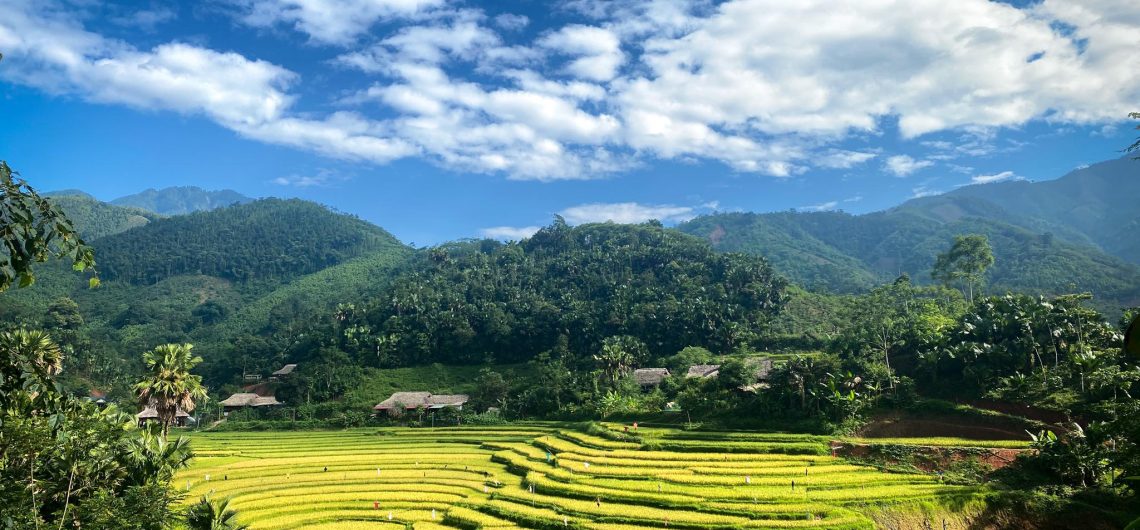
Pu Luong Eco Retreats (Thanh Hoa)
Nestled in a valley of rice terraces and lush forests, Pu Luong’s eco-lodges lead the region in zero-waste hospitality. Expect:
- Refilling stations instead of plastic bottles
- Bamboo toothbrushes
- Recycled-wood interiors
- Solar-powered water heaters
- On-site composting for organic waste
Con Dao Eco-Resorts
Con Dao, known for sea turtles and pristine beaches, has several boutique eco-lodges focused on low-impact design. Many properties offer:
- Ceramic dispensers for toiletries
- Organic cotton linens
- Plastic-free mini-bars
- Waste separation in every room
Phu Quoc Forest Homestays
Northern Phu Quoc’s rustic eco-stays blend forest conservation with community engagement. Guests contribute to on-site recycling, composting, and water-saving efforts.
2. Zero-Waste Coffee Shops & Conscious Dining
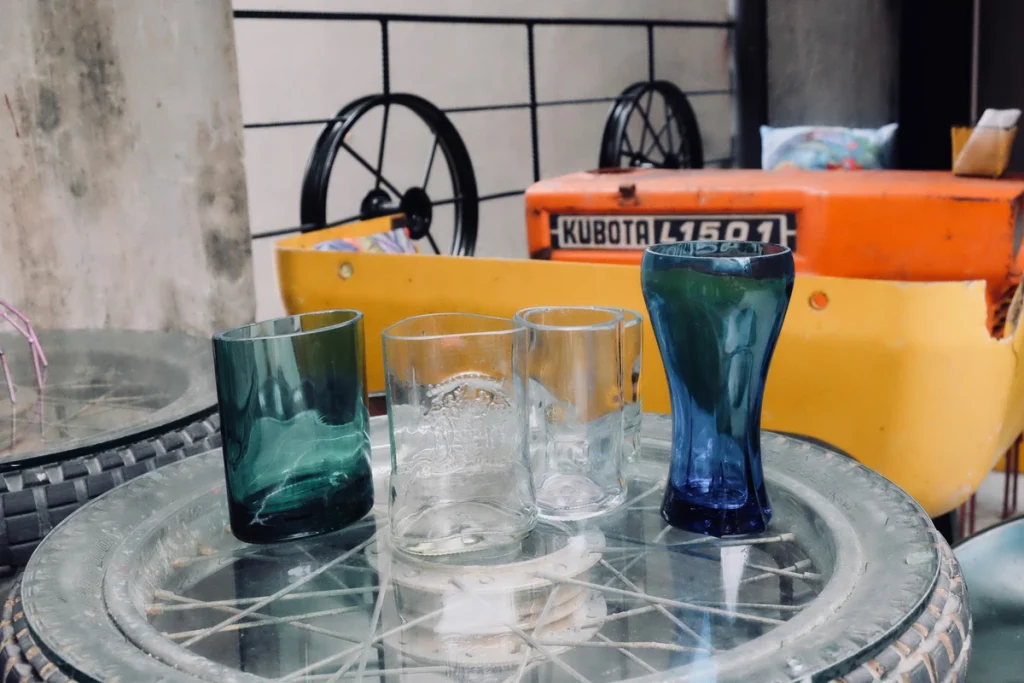
Vietnam’s world-famous café culture is becoming a showcase for zero-waste innovation. In 2026, a growing number of coffee shops are eliminating plastics, reusing materials creatively, and supporting ethical supply chains.
Hidden Gem Coffee (Hanoi)
A pioneer in sustainable dining, this café uses:
- Reusable jars
- Rice-husk cups
- Compostable napkins
- Workshops on food waste awareness
XLIII Coffee (Da Nang)
A stylish, laboratory-inspired café known for:
- Repurposing coffee grounds into beauty scrubs
- Upcycling used cartons into décor
- Partnering with local fair-trade farmers
Trốn để tìm Concept (HCM City)
A community-run café offering:
- Plant-based milk made in-house
- Zero-packaging baked goods
- Bring-your-own-cup incentives
For sustainable dining: Carry a collapsible bowl, reusable cutlery set, and tote bag—ideal for enjoying street food without adding waste.
3. Composting Programs on Vietnam’s Islands

Food waste is a significant challenge in tourist destinations. Vietnam’s islands have responded with community-led composting programs that convert organic waste into fertilizer for farms and gardens.
Phu Quoc: The Compost Revolution
Northern Phu Quoc communities have built an impressive composting network powered by households, eco-resorts, and local schools. Travelers staying at participating homestays are encouraged to:
- Separate organic waste
- Share in compost workshops
- Visit farm gardens fertilized with composted waste
Con Dao: Protecting Marine Life Through Composting
To reduce waste near turtle nesting beaches, Con Dao runs local composting stations managed by conservation groups. Visitors can join:
- Community compost days
- Educational tours explaining how compost protects coral reefs and turtles
Cham Islands (Hoi An)
A UNESCO Biosphere Reserve, the Cham Islands expanded their famous “plastic-bag ban” with island-wide composting in 2025. Overnight visitors now participate in waste sorting and composting by default.
These programs exemplify Vietnam’s shift toward circular tourism, where waste is turned into local value.
4. Responsible Diving in Phu Quoc & Con Dao
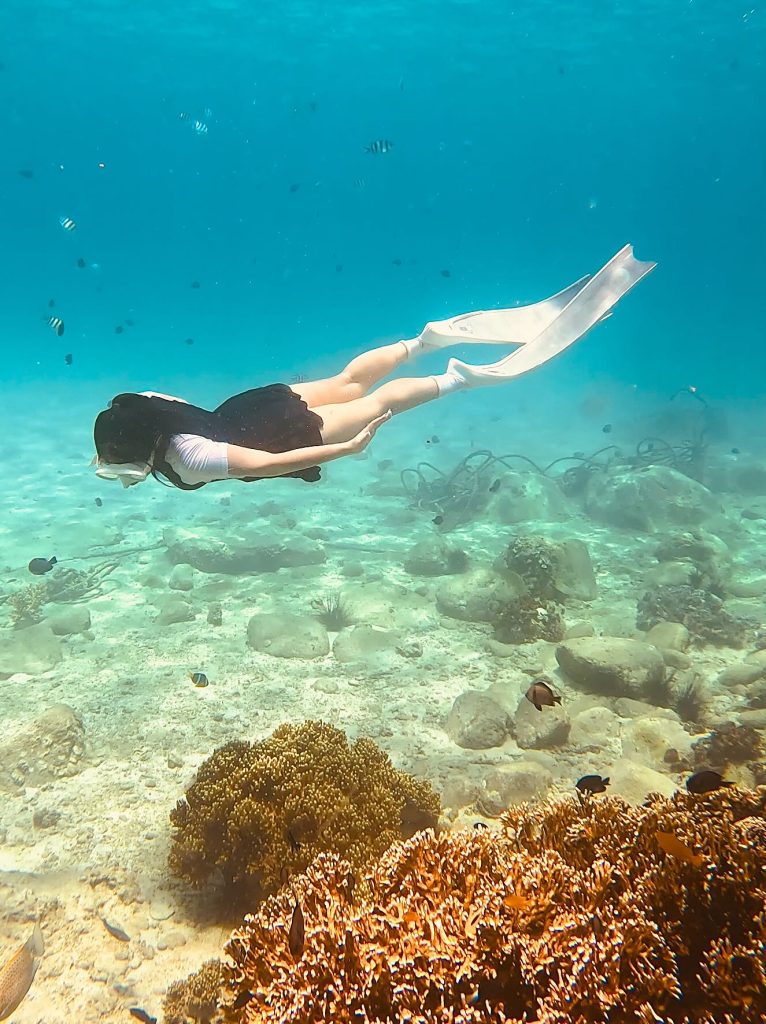
Vietnam’s coral reefs are breathtaking—but vulnerable. Ethical diving is essential in 2026 to protect marine ecosystems in Phu Quoc and Con Dao, the country’s two primary diving hubs.
Responsible Diving Guidelines
Most sustainable dive centers now require:
- No touching or standing on coral
- No collecting shells or starfish
- Reef-safe sunscreen (or rash guards)
- Pre-dive buoyancy checks
- Small-group diving (6–8 guests max)
Con Dao’s Marine Sanctuary
Con Dao’s protected waters host sea turtles, reef sharks, and rich coral gardens. Some diving tours now offer:
- Coral re-seeding sessions
- Reef monitoring with marine rangers
Phu Quoc’s Community Reef Projects
Local NGOs and fishermen help maintain coral nurseries and artificial reefs. Many dive shops contribute funds from each trip to conservation programs.
Responsible diving ensures travelers enjoy Vietnam’s underwater world without harming it.
5. Carbon-Neutral Transport Options in 2026
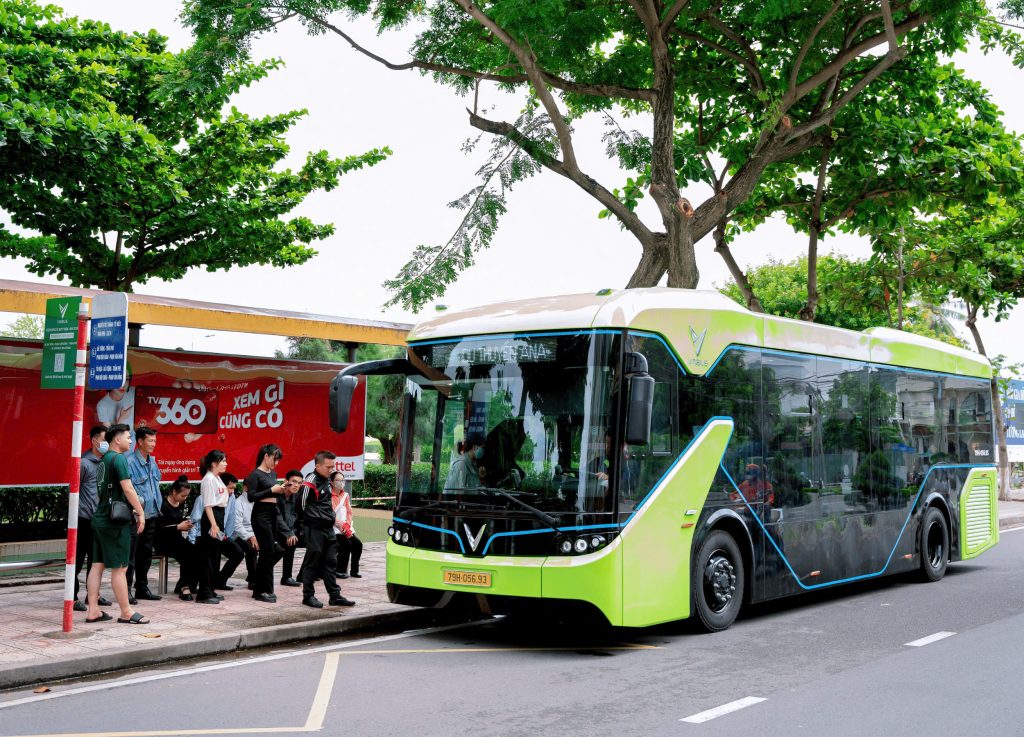
Vietnam is steadily expanding low-emission transport, offering conscious travelers greener ways to explore the country. Although fully electric ferries are not yet mainstream, reliable eco-friendly alternatives exist.
Electric Buses & Green Mobility
These represent Vietnam’s strongest progress in green travel.
Cat Ba Island
Since 2025, Cat Ba operates free electric shuttle buses connecting beaches, town areas, and the cable-car station—reducing emissions and helping the island achieve its “Green Island” goals.
Hanoi & Ho Chi Minh City
Travelers can easily book electric taxis (Xanh SM, VinFast) and ride electric public buses equipped with:
- Quiet engines
- Zero tailpipe emissions
- Wide charging infrastructure
Eco-Lodge E-Scooters
In eco-tourism destinations like Hoi An, Ninh Binh, and Phu Quoc, many hotels offer electric bikes and scooters for guests.
Greener Boats & Responsible Cruising
While electric marine fleets are still developing, cruise operators in Hạ Long and Lan Ha Bays have adopted responsible practices:
- Wastewater treatment systems
- Reduced single-use plastics
- Energy-efficient engines
- Small-group excursions
- Daily bay clean-ups
Bhaya Cruises and similar operators demonstrate how responsible cruising can minimize marine impact even without electric boats.
Walking, Cycling & Slow Travel

Vietnam’s pedestrian zones and cycling routes are expanding. Travelers can enjoy:
- Hoi An’s lantern-lit walking streets
- Hue’s riverside bike lanes
- Da Nang’s beachfront cycling paths
Slow travel greatly reduces carbon impact while offering deeper cultural immersion.
Trains: Vietnam’s Eco-Friendly Long-Distance Option
Rail travel remains the lowest-carbon way to travel Vietnam at scale. Modernized trains on the Hanoi–Hue–Da Nang and Saigon–Nha Trang routes provide:
- Lower emissions than flights
- Scenic overnight journeys
- Comfortable cabins
Rail is ideal for conscious travelers covering long distances.
Future Trends to Watch (2026–2030)
Vietnam is exploring:
- Electric urban rail concepts in Phu Quoc
- Hybrid or solar-assisted boats (pilot studies underway)
- EV fleet expansion on islands
- Green port management in Hạ Long & Hai Phong
While not yet widespread, these initiatives signal a serious long-term commitment to sustainable tourism.
6. Practical Zero-Waste Travel Tips for 2026

To minimize your footprint while traveling Vietnam, pack:
- A reusable water bottle
- Bamboo or metal cutlery
- Reef-safe sunscreen
- A cloth tote bag
- A compact food container
- A reusable coffee cup
Support eco-conscious businesses, stay in responsible hotels, and choose low-impact transportation whenever possible.
Conclusion for Zero-waste travel in Vietnam
Vietnam in 2026 offers travelers a rare opportunity to experience stunning landscapes, rich heritage, and warm hospitality while contributing to a more sustainable future. By choosing zero-waste accommodations, responsible dining, ethical diving, and low-impact transportation, your journey becomes part of Vietnam’s long-term environmental protection story.
Zero-waste travel isn’t just a trend—it’s the future of global tourism. And Vietnam is ready to welcome conscious travelers who seek beauty, authenticity, and responsibility in every step of their adventure.
